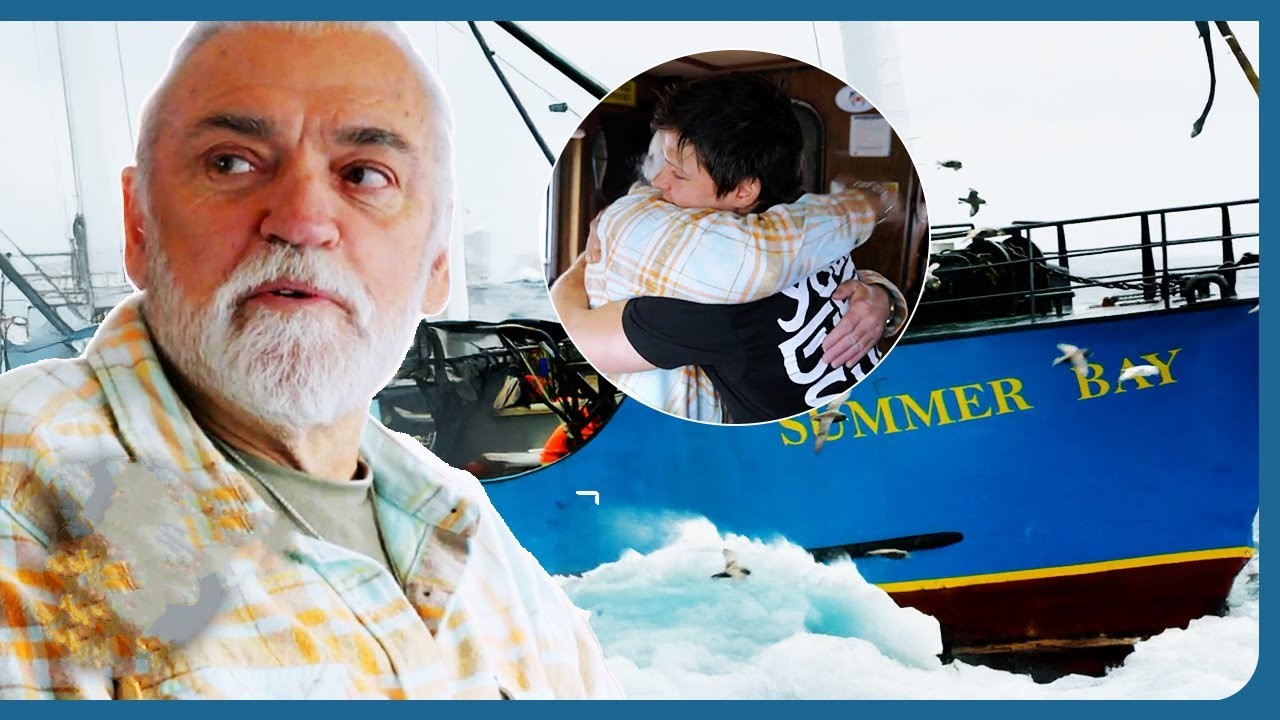
While most reality television thrives on staged drama, Deadliest Catch has always stood apart. For nearly 20 years, the Discovery Channel series has pulled viewers into the unforgiving world of Alaskan crab fishing in the Bering Sea—a place where beauty and brutality collide.
The show’s appeal lies in its authenticity. Towering waves, ice-slicked decks, and gale-force winds make every haul a gamble between fortune and tragedy. Each full pot brings relief, but every voyage carries the possibility of never returning home.
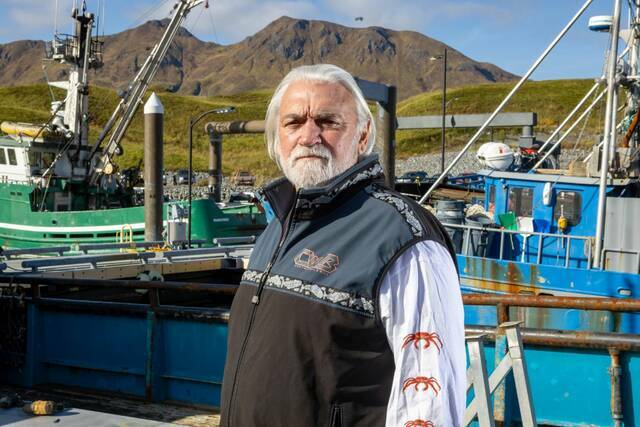
The dangers are not exaggerated. According to the Bureau of Labor Statistics, commercial fishing has consistently ranked as one of the most hazardous jobs in the United States, with fatality rates dwarfing those of pilots, miners, or loggers. For many Alaskan families, however, this peril is not a choice but a legacy—traditions passed down through generations.
Human Stories Amid the Storm
Behind the steel hulls and survival suits are men and women carrying burdens as heavy as the crab pots they haul. Jake Anderson’s path to becoming a captain was scarred by homelessness, addiction, and the devastating deaths of both his sister and father. His resilience embodies the heart of the series: strength born from unimaginable loss.
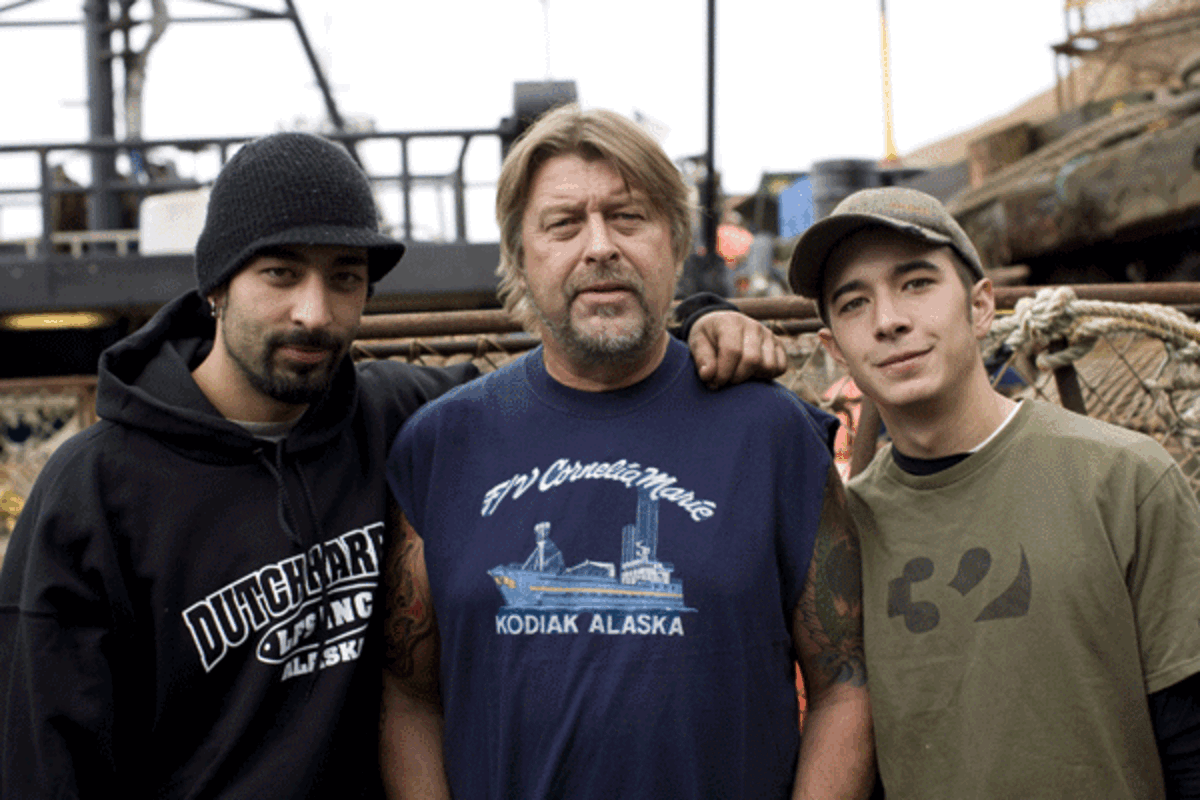
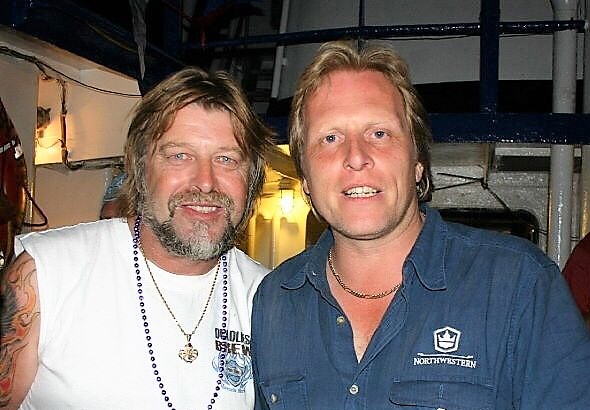
Captain Phil Harris’s stroke and death in 2010 stunned viewers worldwide. Choosing to keep cameras rolling during his final days, Harris left behind a legacy carried forward by his sons, Josh and Jake—one stepping into leadership, the other spiraling into addiction.
Other stories reveal harsher truths. Deckhand Joshua Tel Warner’s criminal past, exposed after his appearance on the show, ended in imprisonment. Producer Joseph McMahon’s 2015 murder and deckhand Nick Mavar’s fatal overdose served as sobering reminders that tragedy extends beyond the sea.
Yet through it all, bonds of brotherhood and shared suffering keep crews afloat. Survival depends not on individuals, but on trust forged in the crucible of the Bering Sea.
The Sea, the Enemy, the Teacher
Nature is the show’s greatest antagonist. Unlike scripted rivals in other reality programs, the ocean writes its own script. Climate change has only sharpened the threat: warming waters and shifting crab migrations have forced entire fishing seasons to be cancelled, jeopardizing livelihoods and communities alike.
Still, the allure of the ocean endures. For many, it is more than a paycheck—it is identity, tradition, and honor. Fathers teach sons, daughters prove their mettle, and generations bind themselves to the sea despite its indifference.
As Deadliest Catch enters its third decade, it continues to capture not just a profession, but the essence of human resilience in the face of nature’s unforgiving might.
Andre the Giant: A Legend Larger Than Life
If the Bering Sea demands endurance against nature, the life of André René Roussimoff—better known as Andre the Giant—was a battle against his own body.
Standing over 7 feet tall due to acromegaly, Andre lived in a world that was never built for someone of his size. Airplanes, hotel rooms, even simple chairs failed to accommodate him. Often, he slept across two beds pushed together or on the floor with blankets.
Alcohol became both painkiller and companion. Friends recall his staggering drinking feats—cases of beer in one sitting—yet few ever saw him lose control. For Andre, drinking dulled the relentless aches of a body under constant strain, while also providing a way to connect with those around him.
Despite physical hardship, Andre’s charisma was boundless. Fans adored his wrestling dominance, but it was his warmth, humor, and generosity offstage that made him unforgettable. Bartenders, fans, and friends alike carried stories of his laughter and kindness long after his matches ended.
The Cost of Being Extraordinary
What unites the fishermen of the Bering Sea and Andre the Giant is not fame or fortune, but the price of living at the edge of human endurance.
For the crab fleet, survival is wrested daily from an ocean that offers no mercy. For Andre, life itself was an endurance test against the crushing weight of his own body.
Both stories remind us of a simple truth: greatness, whether earned on storm-tossed decks or in the wrestling ring, rarely comes without sacrifice.
