
For centuries, Oak Island has been shrouded in mystery, captivating treasure hunters and historians alike. Theories of hidden vaults, pirate treasure, and secret societies have fueled speculation. However, recent revelations suggest that the real treasure may not be gold or jewels but something far more valuable—proof that Norse explorers may have reached Oak Island centuries before Christopher Columbus set foot in the New World.
The long-running History Channel series The Curse of Oak Island has been at the forefront of uncovering the island’s enigmatic past. Over 12 seasons, brothers Rick and Marty Lagina and their team have unearthed countless clues. Now, new findings suggest a link to Viking explorers who may have not only visited Oak Island but used it as a key stop on their journey through North America.
The Viking Spirit: Pioneers of the Unknown
Historians have long acknowledged the Norse as fearless explorers. Guided by the stars and an insatiable thirst for discovery, they sailed across treacherous waters in search of new lands. Their journey to North America is well-documented, with L’Anse aux Meadows in Newfoundland standing as the only confirmed Viking settlement in North America.
However, new evidence is challenging this long-held belief. Butternut tree remnants were discovered at L’Anse aux Meadows, despite these trees growing only much farther south. This ecological clue suggests that the Norse traveled beyond Newfoundland—possibly as far as Nova Scotia and Oak Island.
Could Oak Island be the key to confirming that the Vikings explored and even settled in North America long before later European explorers? The hunt for answers is more compelling than ever.
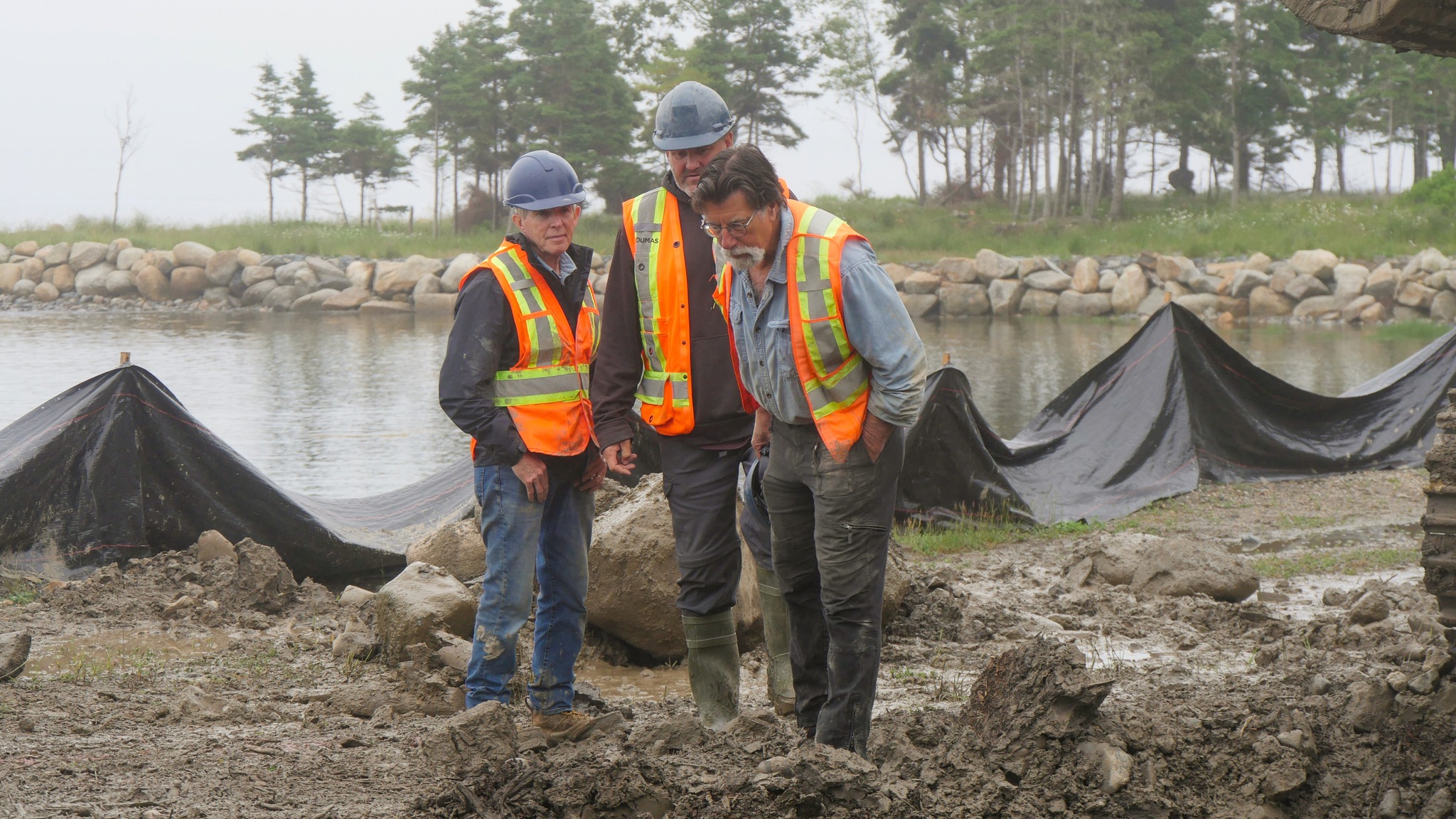
Following the Clues: Norse Presence on Oak Island
Recent discoveries on Oak Island have reignited speculation. Among them:
- Artifacts resembling Norse craftsmanship – A lead cross and other relics raise questions about whether Viking settlers once walked this land.
- Stone structures and wooden remains – Some researchers believe these structures mirror Norse construction methods, suggesting Viking explorers may have built temporary outposts on the island.
- Ground-penetrating radar and LiDAR scans – These advanced technologies have revealed underground anomalies predating known European settlement in the region.
Theories abound regarding why Vikings may have used Oak Island. Given its strategic location, abundant resources, and proximity to known Viking routes, the island could have served as a seasonal outpost or supply hub. If true, this would redefine our understanding of early European exploration in North America.
The Role of Modern Technology
Advancements in archaeological technology have been instrumental in reshaping the Oak Island investigation. Carbon dating of wooden structures has produced dates eerily close to the Norse exploration period. While definitive proof remains elusive, each discovery strengthens the case for a Viking presence.
Further research is required to distinguish Norse artifacts from those of later European settlers. The challenge now lies in proving beyond doubt that Vikings were here centuries before traditional history books acknowledge.

Why This Discovery Matters
If confirmed, Norse presence on Oak Island would challenge conventional history, proving that the Vikings traveled farther south than previously believed. The impact on our understanding of early North American exploration would be profound, potentially shifting the narrative from Columbus to the Norse as the true first European explorers of the New World.
Moreover, the Oak Island mystery itself would take on a new dimension. Instead of a treasure hunt centered around pirate legends or Templar secrets, the real prize could be historical validation—evidence that this small island played a role in one of the greatest seafaring sagas of all time.
The Adventure Continues
The Curse of Oak Island team remains committed to uncovering the truth. Every drill sample, every artifact, and every technological breakthrough brings them one step closer to solving the centuries-old mystery. Whether or not they find gold, their discoveries could rewrite history itself.
As Oak Island continues to guard its secrets, one question remains: Could the Vikings have left behind more than just relics? Could they have left a legacy that has been hidden beneath the island’s surface for centuries?
The search for answers continues. One thing is certain—Oak Island is far from revealing its final chapter.
Stay tuned for further updates as new evidence emerges in the quest to uncover Oak Island’s true past. Could the Vikings have set foot on this storied land? Share your thoughts and join the discussion!
