A Season on the Brink
The Klondike mining season was nearly doomed before it began. A global shutdown delayed operations by four critical weeks, leaving miners millions of dollars in the hole before a single shovel hit the ground. In an industry where every hour counts, the lost month was a devastating blow.
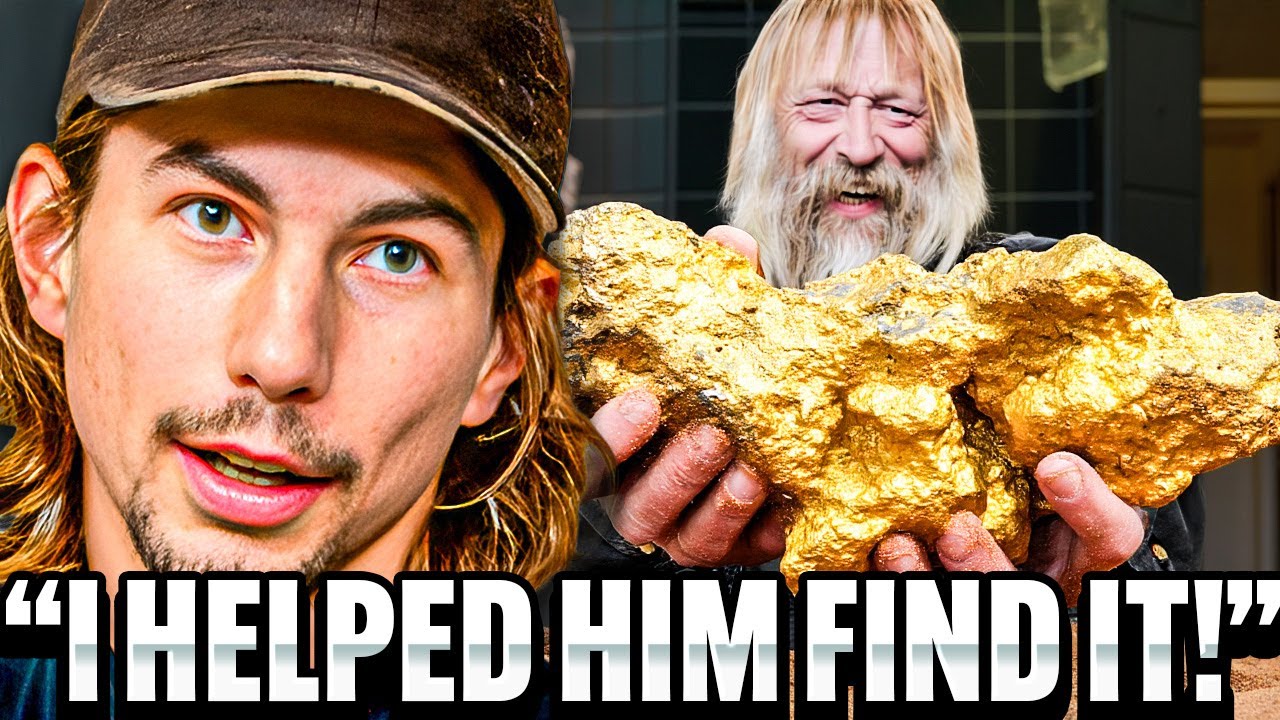
Veteran miner Tony Beets and his young rival Parker Schnabel faced the same challenge: recover from disaster or lose it all. What followed was one of the most dramatic seasons in Gold Rush history.
Tony Beets and the 30-Year Piggy Bank
Tony Beets, often called The Viking of the Klondike, staked his hopes on a memory. Three decades earlier, he stripped a patch of ground on Paradise Hill and buried what he called a “piggy bank”—a potential pay streak he believed could now be worth over a million dollars.
He gambled more than $100,000 in fuel and labor to uncover it. But when the gold was weighed, the results were crushing: just 105 ounces worth about $185,000. After expenses, the profit was a mere $35,000—a bitter disappointment for weeks of work.

Parker Schnabel’s Radical Gamble
While Tony chased ghosts of the past, 25-year-old Parker Schnabel bet everything on the future. He split his crew, running two massive wash plants—Big Red and Sluicifer—at the same time, a dangerous strategy his own foreman called reckless.
Disaster came quickly. A bungled plant move nearly tipped over Big Red, costing Parker an estimated $200,000. For a moment, his season looked as doomed as Tony’s.
But then, the gamble paid off. Once both plants hit full stride, the gold poured in. In a single week, Parker pulled an astonishing 694.5 ounces—worth over $1.2 million. Within two weeks, he had banked more than $2.3 million, turning a disastrous start into a record-breaking run.
Ghost Gold and Old Tailings
Refusing to quit, Beets shifted focus to a towering pile of century-old tailings left by early miners. His hunch was correct: the old-timers’ crude methods had left behind rich pay. From just four hours of test running, Tony’s plant recovered more than four ounces of gold, proving the tailings could be a gold mine in plain sight.
But the Klondike exacts a price. A rookie operator ripped a sluice box apart, halting production for eight costly hours. Still, the find gave Tony a new lease on the season.

Legends, Theories, and Secrets
Behind the drama, whispers in Dawson City suggest Tony Beets’ true wealth is far greater than what TV cameras reveal. Some believe he has secretly buried gold caches across his claims, modern-day “piggy banks” immune to audits and market swings. Others argue Beets is quietly building a global empire, funneling profits into real estate, infrastructure, and even cryptocurrencies.
If true, the gruff miner’s net worth could be hundreds of millions, hidden in plain sight.
Gold, Risk, and the Viking’s Empire
In the end, both Parker Schnabel and Tony Beets clawed victory from the jaws of defeat. What began as a season on the brink of collapse became one of the most profitable—and mysterious—in Klondike history.
Whether by bold strategy, hidden fortunes, or sheer stubbornness, these miners proved again that the Klondike never gives up its gold without a fight.
