The Oak Island Enigma: The 90-Foot Stone May Hold a Secret Greater Than Gold

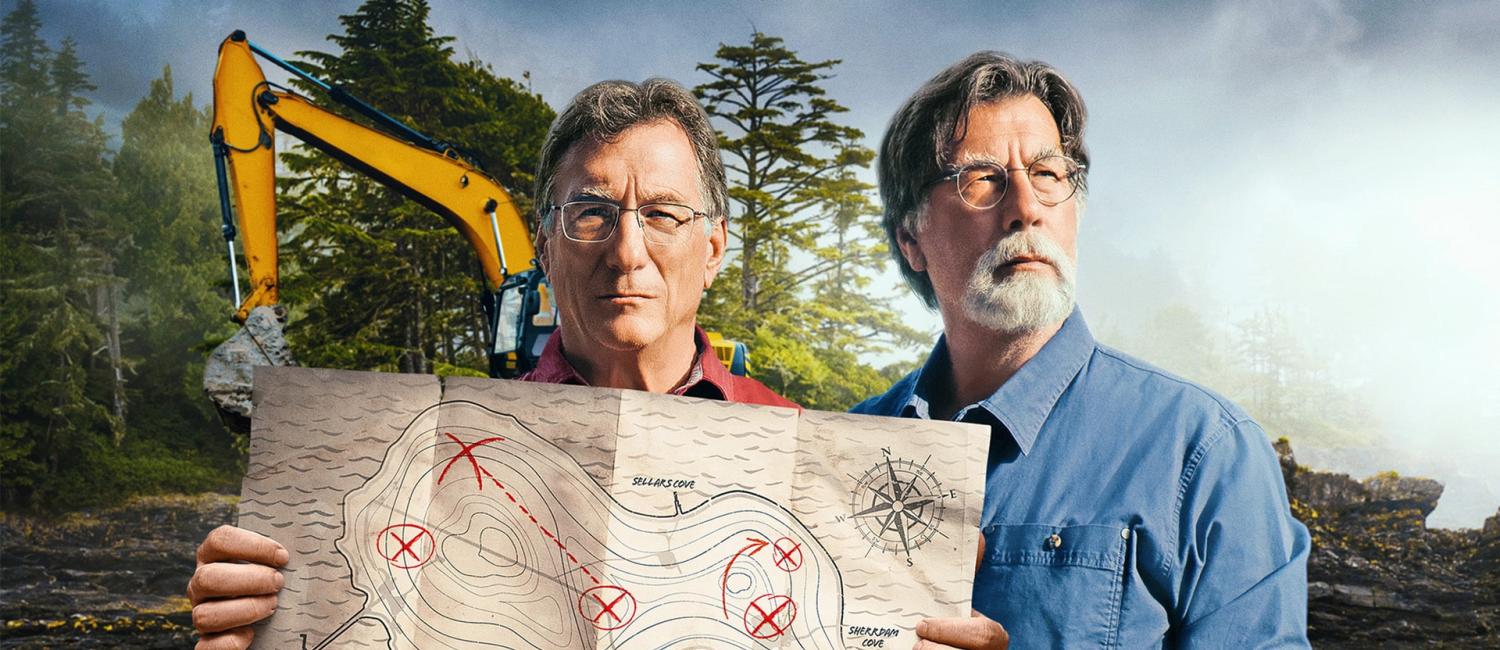
NOVA SCOTIA — For more than 200 years, fortune seekers have been drawn to a small island in Mahone Bay by whispers of pirate gold, Templar relics, and lost jewels. From dynamite-blasted shafts to million-dollar drilling rigs, the pursuit of Oak Island’s treasure has claimed fortunes, lives, and reputations.
At the center of it all lies an object that hasn’t been seen in more than a century: the infamous 90-foot stone. And while most fixate on its cryptic inscription, new evidence suggests the real secret may not be what the stone said — but what it was.
The Stone That Started It All
In the early 1800s, treasure hunters digging in Oak Island’s fabled “money pit” unearthed a flat, olive-tinged stone at a depth of 90 feet. Measuring roughly two feet long, the rock bore a line of carved symbols.
It was later displayed in Halifax — first in a home, then in a bookbinder’s shop — before vanishing. According to legend, a professor translated the inscription to read:
“Forty feet below, two million pounds are buried.”
That tantalizing message fueled generations of digging. But according to historians, the translation may never have existed at all.
A Cipher… or a Sales Pitch?
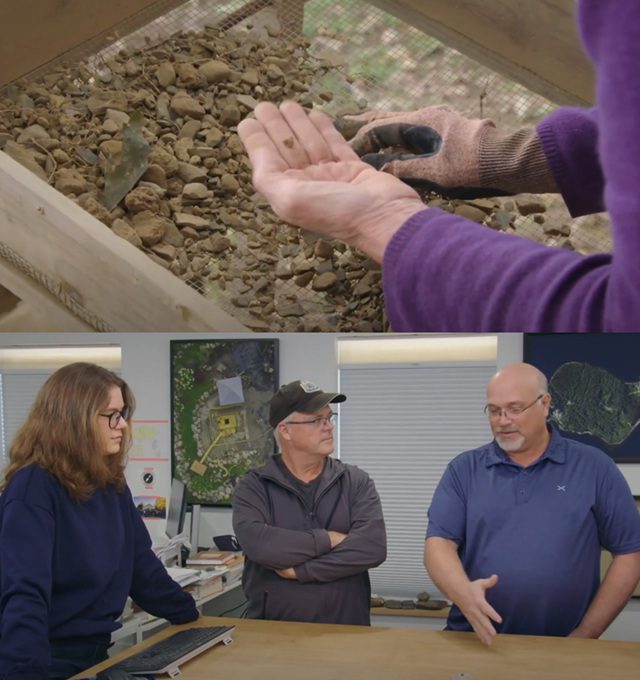
No rubbings, sketches, or photographs survive from the time of the discovery. The symbols most often associated with the stone today trace back not to the 1800s but to a 1949 adventure book.
“It’s a historical game of telephone,” says one researcher. “The supposed translation emerges at the same time syndicates were selling shares in Oak Island treasure hunts. It’s the perfect pitch to investors.”
If true, it suggests the stone’s most famous feature — its message — may be folklore, or worse, a fabrication.
The Real Clue: A Stone Out of Place
Geologists point to a more startling fact: the stone itself was not native to Oak Island or even Nova Scotia. It was transported there.
This revelation raises staggering questions. Who would quarry, carve, and bury a 175-pound stone nearly 100 feet underground — and why?
“This wasn’t a pirate scratching an ‘X,’” notes one expert. “This was the work of an organized group with knowledge of engineering, geology, and symbolism.”

The Knights Templar Connection
Theories swirl about the stone’s origins. Some see connections to Masonic symbols. Others note similarities to North African Berber script. But perhaps the most enduring theory ties the artifact to the Knights Templar, the medieval warrior monks who vanished with their legendary wealth and relics in the 14th century.
The Templars, known as master builders and seafarers, could have transported treasures across the Atlantic. Oak Island, strategically located and naturally defensible, would have made an ideal vault.
Under this lens, the 90-foot stone wasn’t a clue to riches. It was a marker of consecration — a warning to the unworthy.
Water as a Weapon
The island’s notorious flood tunnels remain the greatest obstacle to searchers. But some geologists believe they may not have been entirely man-made. Oak Island sits on a drumlin riddled with natural voids and limestone channels. The original builders may have enhanced these features into a self-repairing trap.
“They weaponized the island’s geology,” says one analyst. “It wasn’t just engineering. It was genius.”
If true, this means the key to Oak Island isn’t digging deeper, but understanding the island as a massive, integrated system — a lock designed not to be forced, but solved.

Treasure or Testament?
After centuries of blasting, drilling, and draining, many researchers now wonder if the treasure was never meant to be gold at all. Instead, it may be lost knowledge: ancient manuscripts, sacred relics, or a hidden chapter of human history.
The 90-foot stone may not have been a map but a monument — proof that the mystery’s creators wanted their presence, not just their riches, remembered.
The Final Question
For generations, Oak Island has been cast as a hunt for wealth. But if the latest theories hold true, the greatest treasure isn’t measured in pounds of gold.
It may be something far more valuable: the rediscovery of human ingenuity, hidden in plain sight beneath the soil of a tiny island in Nova Scotia.