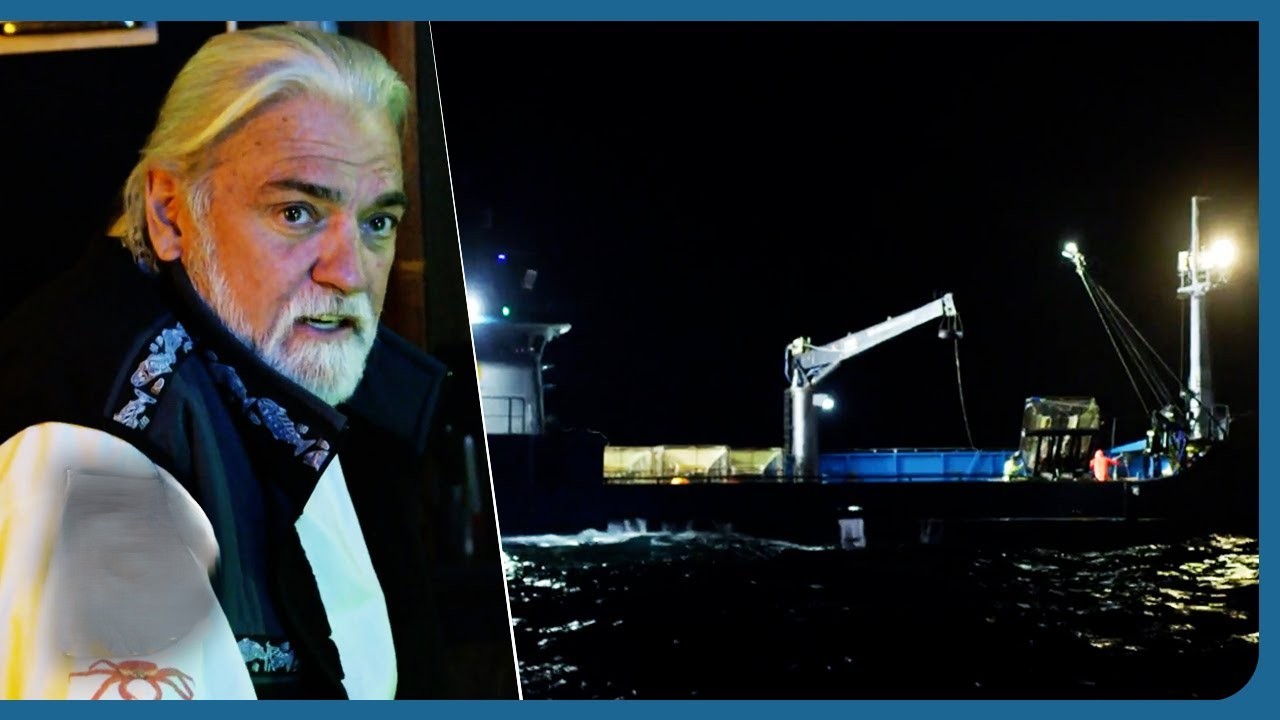
When the alarm rang out across the steel decks of the Summer Bay, the men were already running on fumes. Captain “Wild Bill” Wichrowski’s crew—veteran deckhand Landon, newcomer Blake, and a handful of hardened crabbers—had been grinding through another sleepless shift on one of television’s most dangerous jobs.
“We need to pick that habit up,” Bill barked as the pots slammed onto the deck. “I hope Blake can handle the pace.”
Blake, the greenhorn brought aboard by Landon, was struggling to keep up under the freezing spray and relentless pace of the crab haul. What began as tough training soon turned into a test of survival.
A Rookie’s Breaking Point
From the first haul, Blake’s inexperience was evident. The Bering Sea shows no mercy to the unprepared—sleep deprivation, icy winds, and 800-pound crab pots will humble anyone.
“He’s broken mentally, physically,” one crewmate muttered. “Maybe he can’t handle crab fishing on the Bering Sea.”
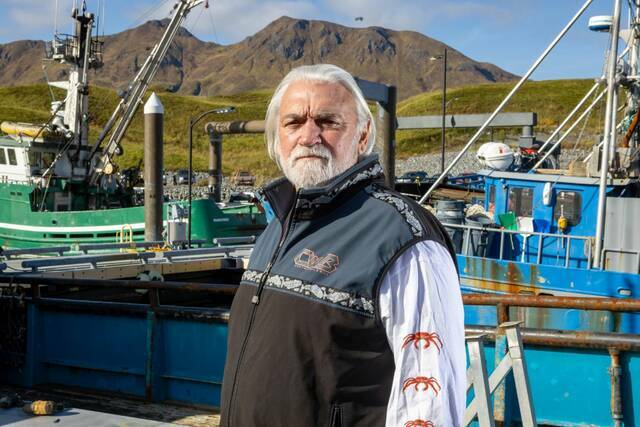
Even as Blake fought to stay upright, the deck never stopped moving. The men pushed through exhaustion, their hands bleeding, their minds fogged by lack of sleep. The captain’s only demand: “Keep something in every pot so it adds up and we can get out of here. I’m not asking for miracles.”
But miracles were exactly what they’d soon need.
Power Lost — A Ship in Peril
Mid-shift, with crab pots still stacked and bait bins half full, the Summer Bay suddenly went dark. The hum of the engines stopped; the deck lights flickered out. Without power, the 290-ton vessel was at the mercy of the Bering Sea’s 30-foot breakers.
“We’ve got no steering,” Landon radioed from the engine room. “We are at the mercy of the ocean.”
The crew scrambled as the boat pitched violently. In the chaos, Captain Bill kept his cool. Years at sea had taught him that panic kills faster than cold water.
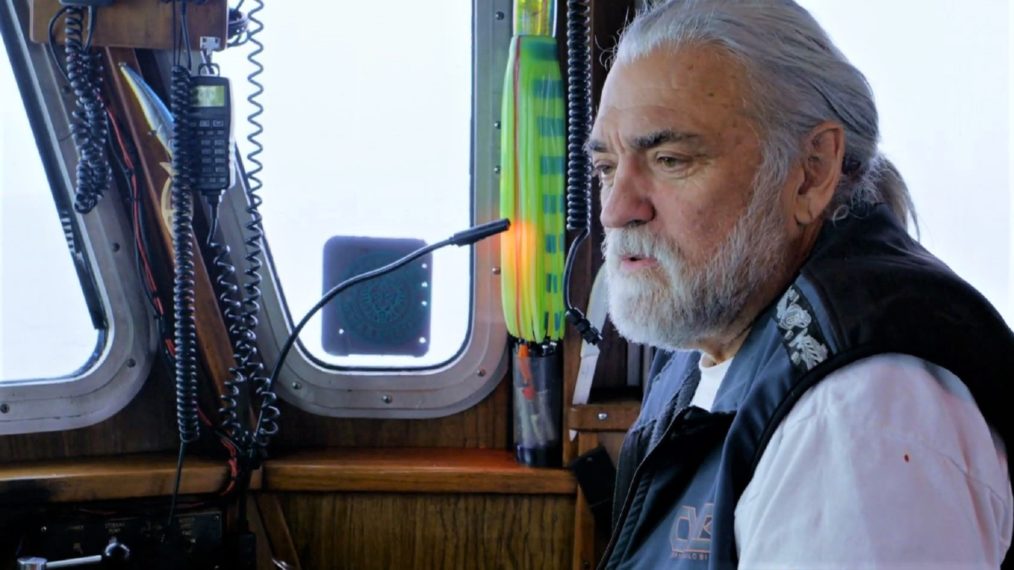
Landon tore through the engine room, tracing wires and testing sensors until he found the culprit—a single $10 timing-sensor wire, worn thin by friction. One minor failure had nearly cost them a multi-million-dollar load of crab—and possibly their lives.
“I think we’re there,” Landon called out as the lights roared back to life. “We got it.”
Applause erupted on deck. The Summer Bay was alive again.
The Relentless Grind
As dawn broke over the gray horizon, Blake stood slumped at the rail, eyes hollow from exhaustion. The victory in the engine room offered little rest—there were still hundreds of pots to haul.
“I’m not really here right now,” Blake admitted. “I’m just trying not to mess up too bad.”
For Captain Bill, the answer was simple.
“They have to learn to fix it themselves,” he said. “If I’m not here, who’s going to do it?”
So, despite the fatigue, the captain ordered the gear back in the water. The work would continue. The sea wasn’t done with them—and they weren’t done with her.
The Cost of Survival
On Deadliest Catch, triumph often comes disguised as survival. For the Summer Bay crew, they didn’t strike gold that night—just stayed alive long enough to haul another round. A $10 wire nearly ended it all, but experience, grit, and a bit of luck kept the engines—and their spirits—running.
In the frozen hell of the Bering Sea, that’s as close to a miracle as anyone gets.
