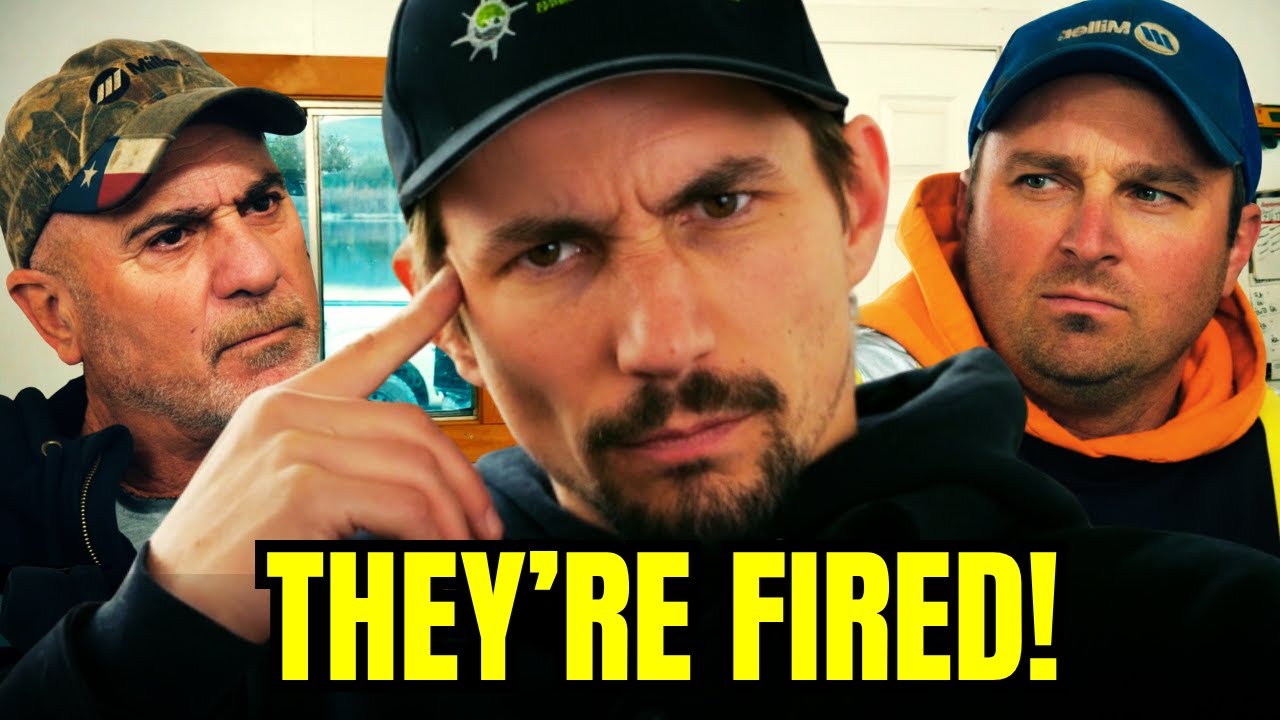
For millions of Gold Rush viewers around the world, Parker Schnabel’s mining operation represents the dream of striking it rich. But behind the roar of dozers, the glitter of gold, and the thrill of discovery lies a world defined by exhaustion, tension, and sacrifice.
At just 30 years old, Parker Schnabel has built one of the most successful mining operations in the Yukon. Yet, as his fame and fortune have grown, so too have the pressures, breakdowns, and human costs that define his relentless pursuit of gold.
“Working for Parker is like living in a pressure cooker,” one crew member admitted. “You either learn to handle the heat or you get burned.”
FROM PRODIGY TO POWERHOUSE
Born into a family of miners, Parker was raised around gold pans, sluice boxes, and hard lessons. Mentored by his late grandfather, John Schnabel, Parker learned early that mining demanded more than machines — it demanded heart, discipline, and an iron will.

By the age of sixteen, he was already managing his family’s operation with the drive of a veteran twice his age. His natural leadership, however, came with a cost: intensity.
Crew members describe Parker as brilliant but uncompromising, a man who demands perfection in an industry where everything — from weather to machinery — conspires against it.
“Every mistake feels like a setback you might not recover from,” one former crew member said. “He doesn’t tolerate wasted time or excuses. That’s what makes him great — and impossible.”
LOYALTY AND LOSS ON THE CLAIM
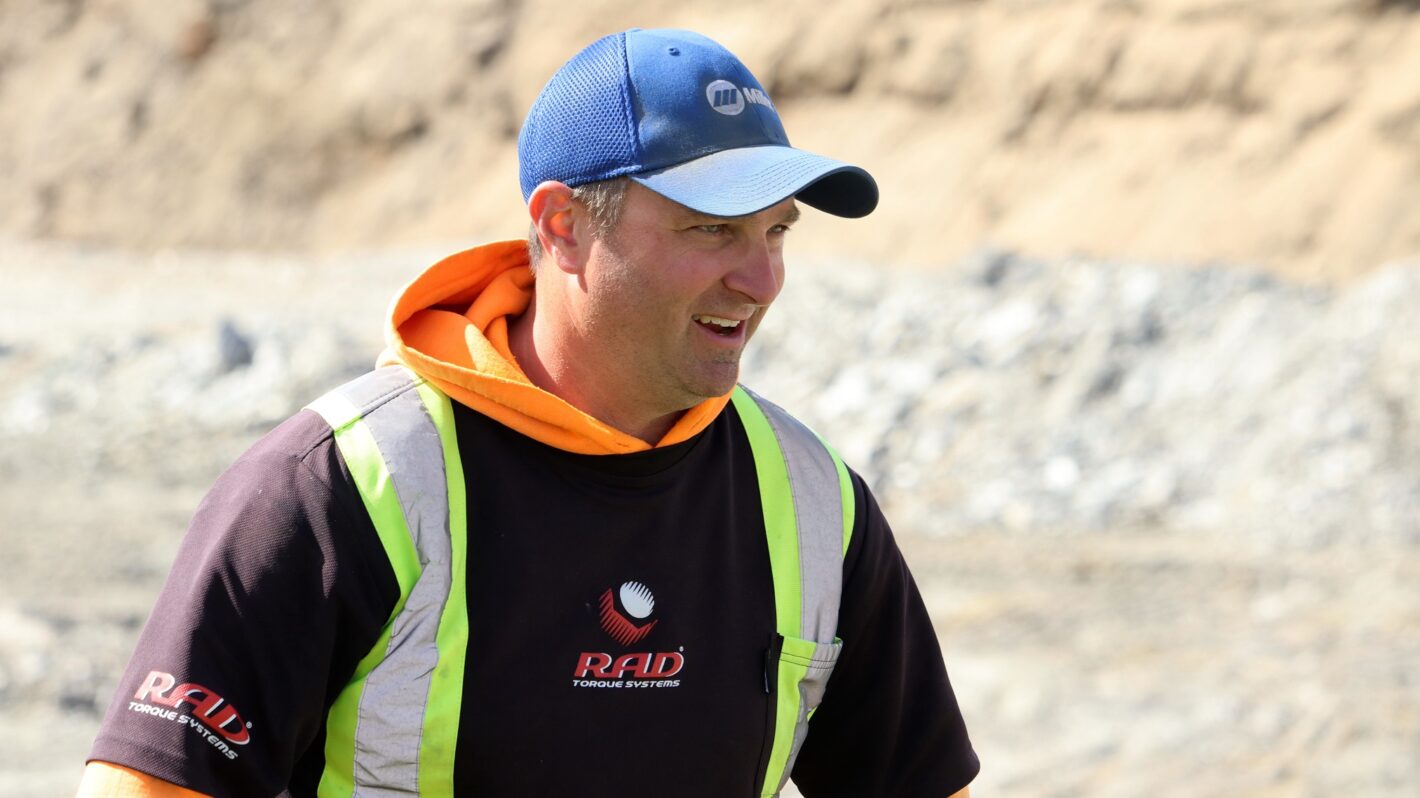
Few miners embody that tension better than Parker’s longtime allies, Chris Doumitt and Mitch Blaschke. Both have stood by him through breakdowns, washouts, and record-breaking seasons. Their calm reliability anchors the chaos around them.
But not everyone could handle the strain.
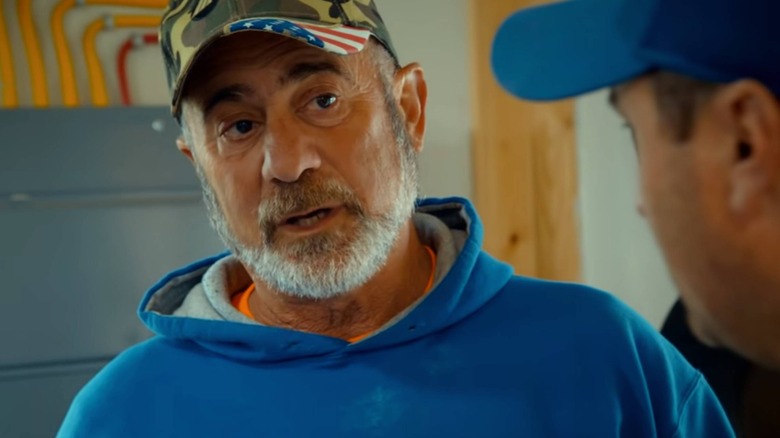
In one of Gold Rush’s most unforgettable moments, Parker’s foreman Dean stormed out during Season 10 after a week of rising tension. When called into Parker’s office, he delivered his final words:
“I know what you want to say to me, and I have nothing to say to you.”
He turned in his final check and walked away — a dramatic exit that underscored the emotional toll of life on Parker’s crew.
Then came Brennan Ruault, the skilled operator who left in Season 12, citing burnout and the need to protect his mental health. His departure sent shockwaves through fans, revealing just how unforgiving the gold fields — and Parker’s expectations — could be.
THE RICK NESS RIFT
Perhaps the most talked-about fracture in Parker’s camp was the split with his former right-hand man, Rick Ness.
Rick started with no mining experience but quickly became Parker’s most trusted lieutenant. Together, they turned unpromising ground into millions in gold. But as Parker’s ambitions grew, so did the friction.
After a heated season marked by costly setbacks, Rick decided to strike out on his own. The split was amicable on camera, but insiders say it stemmed from years of built-up frustration.
“Rick didn’t leave because he failed,” said a crew member. “He left because he couldn’t breathe under the pressure anymore.”
WHEN THE MACHINES FIGHT BACK
Mining is as much about surviving breakdowns as finding gold. The operation runs on a delicate web of heavy machinery — wash plants, dozers, stackers, loaders — and every breakdown threatens to derail an entire season.
In one infamous stretch, Parker left for Fairbanks to negotiate claim rights, leaving Mitch in charge. Within hours, disaster struck. The wash plant failed, the super stacker broke, and production ground to a halt.
With no spare parts and no suppliers nearby, Mitch led a desperate hunt through scrap piles and old rigs. When a salvaged plug finally brought the stacker roaring back to life, the crew’s cheer echoed across the valley.
“It was a small win,” Mitch said later, “but in this business, small wins keep you alive.”
A FAMILY FORGED IN FIRE
For all the shouting matches and sleepless nights, Parker’s crew remains one of the most cohesive teams in the industry.
He demands excellence, but he also rewards loyalty. His relationships with veterans like Doumitt and Blaschke have evolved into genuine friendships built on mutual respect.
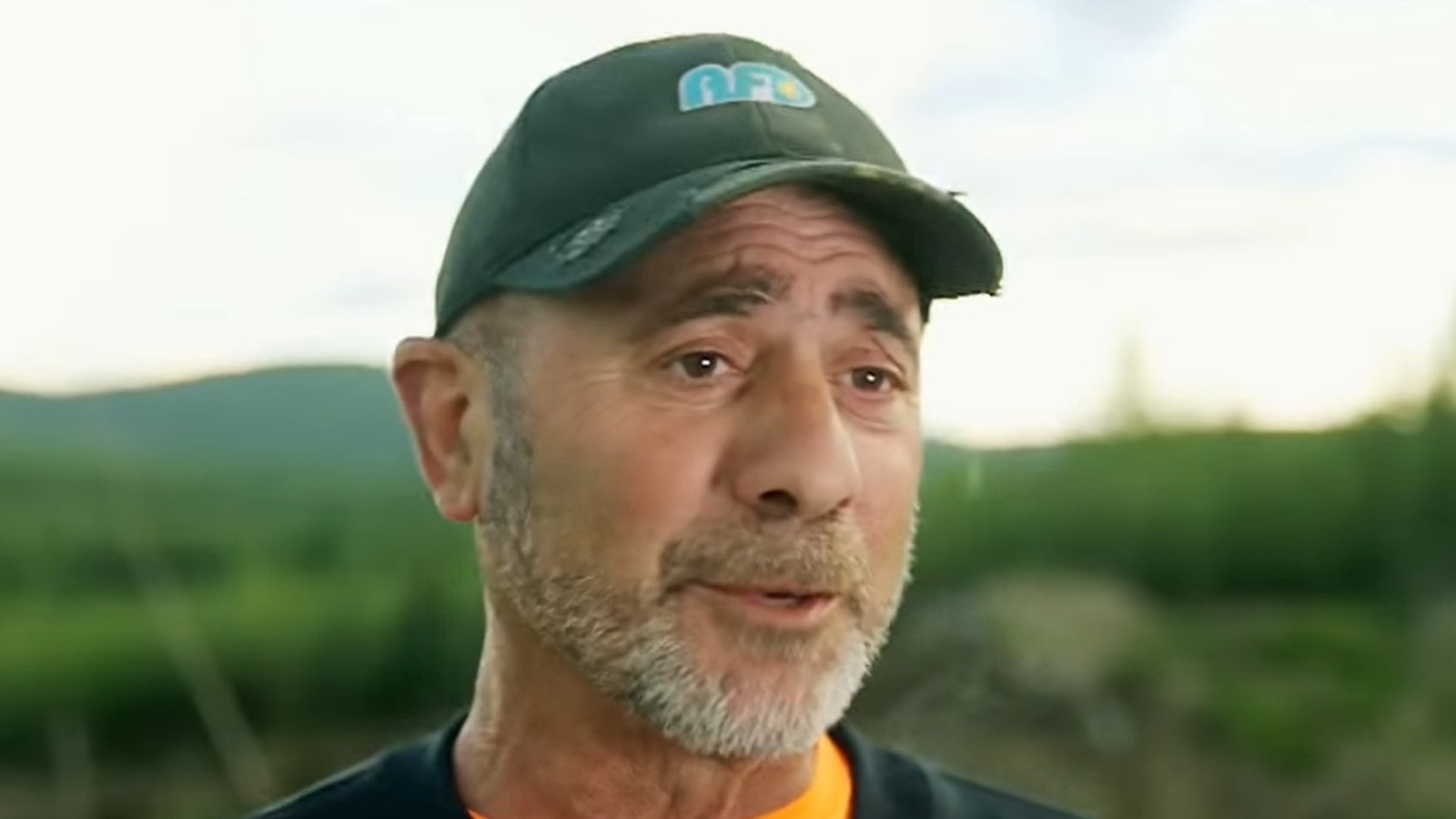
“He’s tough, but fair,” Doumitt once said. “When you work for Parker, you know he’s giving everything he’s got. You can’t help but do the same.”
Those who stay don’t just work for Parker — they stand beside him. They endure long days, frozen nights, and emotional strain few outsiders could imagine.
THE PARADOX OF GOLD RUSH
Success, for Parker, is a double-edged sword. Every triumph raises expectations. Every record-breaking haul becomes the new standard.
His operation has mined tens of millions of dollars in gold, but the true cost isn’t measured in ounces. It’s written in the fatigue on his crew’s faces, the friendships strained, and the workers who walked away.
In the end, Gold Rush is more than a story about gold. It’s a story about human endurance.
Parker Schnabel’s relentless pursuit of excellence has built an empire — but it’s also revealed a deeper truth:
The real treasure isn’t what’s in the ground. It’s the people who refuse to give up digging.