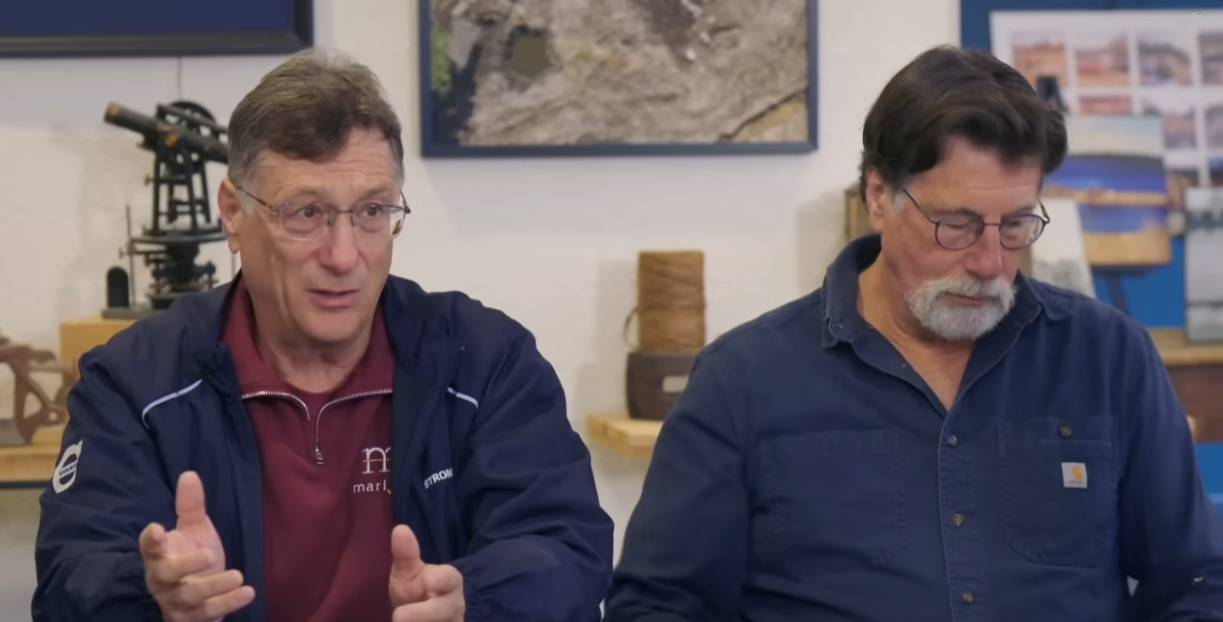
OAK ISLAND, NOVA SCOTIA — The world’s longest-running treasure hunt has officially entered its newest chapter as Rick and Marty Lagina, alongside partner Craig Tester and their team, returned to Oak Island this week. With renewed optimism and a mission “to solve it,” the team kicked off the season by targeting both the Money Pit and Smith’s Cove after last year’s dramatic collapses and promising discoveries.
The team arrived with fresh energy, greeted by a full house at the interpretive center museum. “There’s a certain energy in the room,” Rick Lagina said. “A sense of commitment. And I draw inspiration from that.”
Their meeting opened with a bold declaration: if decades of data and 12 years of their own drilling are correct, the treasure once housed in the Money Pit may now lie even deeper — potentially having dropped into a natural bedrock feature known as a solution channel.
Historic Clues: A Mystery Deepened by Collapse
The team revisits one of Oak Island’s most infamous artifacts: the mysterious 90-foot stone carved with strange symbols and discovered in 1804. According to early accounts, removing the stone triggered seawater flooding into the pit through an engineered tunnel believed to originate at Smith’s Cove.
Over the last two centuries, more than a dozen attempts to bypass this flood system have been thwarted by collapses and unstable ground — a problem the Laginas confronted firsthand last season. Their TB-1 and TOT-1 shafts collapsed after the discovery of pre-1795 tooling and evidence suggesting a deep vault more than 160 feet down.
Now, experts believe the treasure may have sunk to depths of 200 feet or more, buried within the bedrock itself.
Search Intensifies at Smith’s Cove Spoils
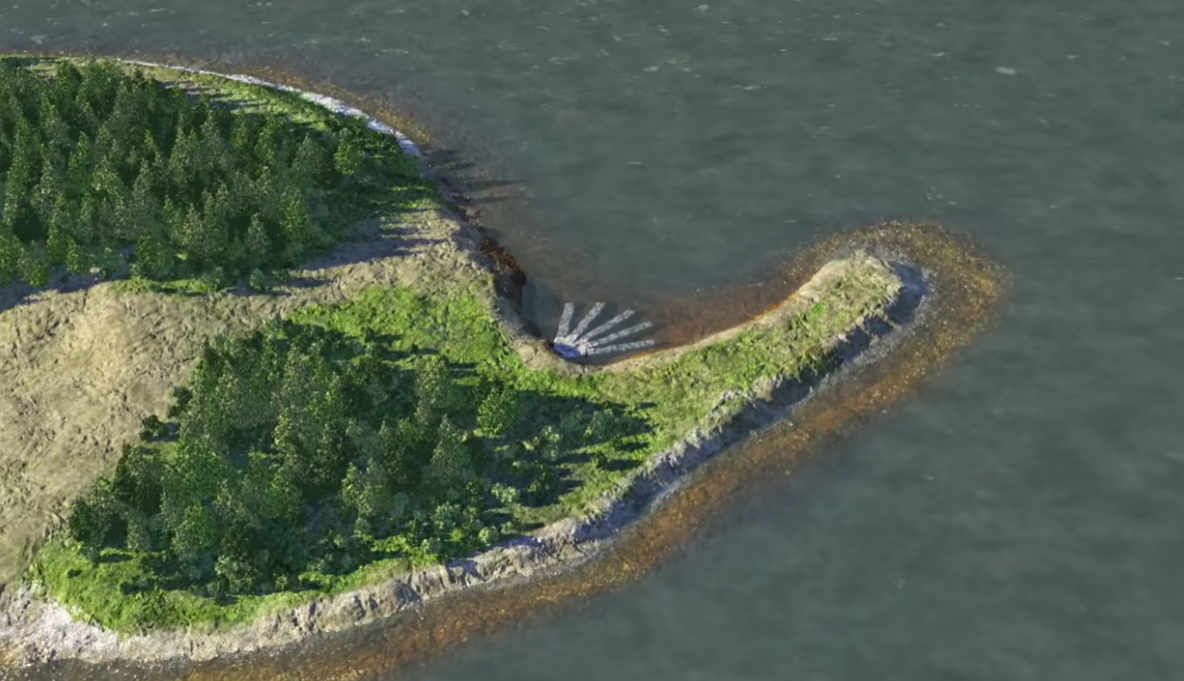
While core-drilling continues in the Money Pit, Marty Lagina, Craig Tester, metal-detection specialist Gary Drayton, and heavy-equipment operator Billy Gerhardt turned their attention to the massive piles of spoils transported to Smith’s Cove during last year’s excavation.
“We found old iron dating to the 1600s,” Drayton reminded the team as they began. “There could be gold or silver masked underneath.”
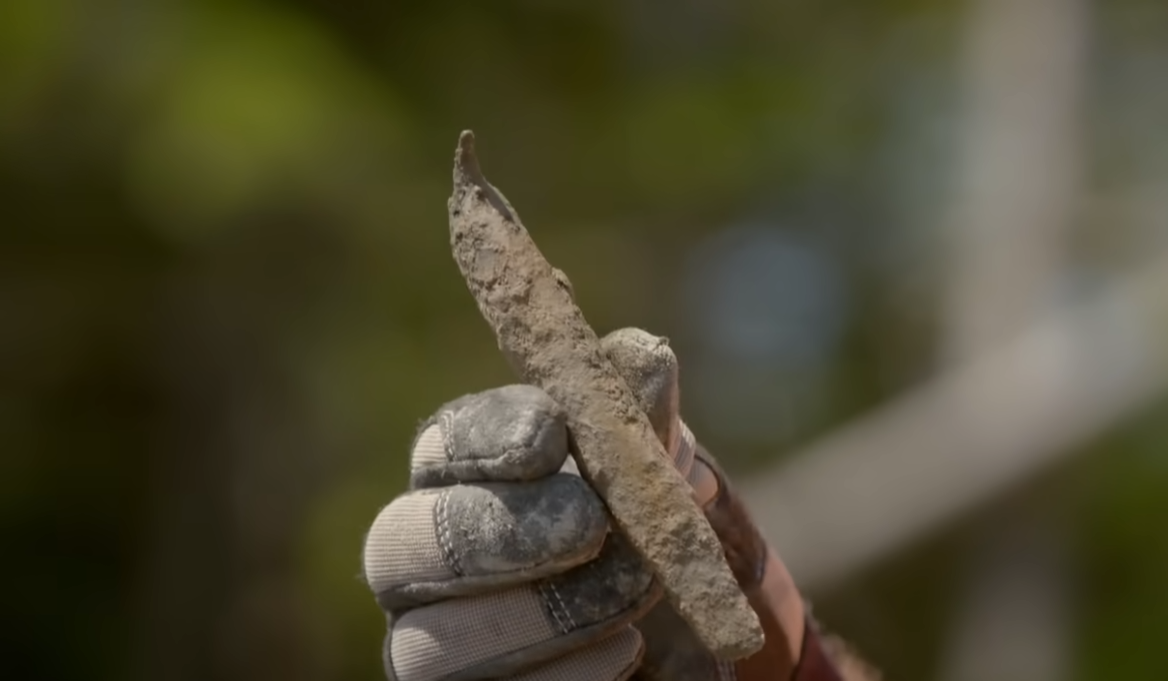
Their search quickly paid off. Drayton uncovered a heavy, unusual iron tool, likely a chisel or pick, showing visible signs of age. The find matches earlier discoveries: a possible 16th-century pickaxe and another iron chisel previously recovered from the same stockpile.
“Not bad at all,” Marty said. “Once again, possible proof that someone other than searchers was deep in the Money Pit centuries ago.”
Lab Report Confirms Age of Iron Artifact
Later, in the Oak Island research lab, archaeometallurgist Emma Culligan analyzed the newly recovered chisel using X-ray fluorescence. The results were striking.
“It lacks any modern alloying elements,” Culligan reported. “This is definitively not modern. It would comfortably place it in the 1700s — possibly even earlier.”
The date pushes the artifact’s origins before the first recorded treasure-hunting efforts on Oak Island, suggesting it may be connected to the original depositors.
Rick Lagina welcomed the news:
“It’s a great find to start off the year. This is not the one thing, but we’re getting there.”
Momentum Builds as New Season Begins
With early discoveries reaffirming the team’s long-held theories — and offering new clues — excitement is growing for what lies deeper beneath Oak Island.
“We’ve picked up where we left off last year,” Drayton said. “And I’m hoping the next finds are gold and silver.”
As drilling advances toward the suspected solution channel and the search through last year’s spoils continues, the team enters the season with its highest hopes yet.
