
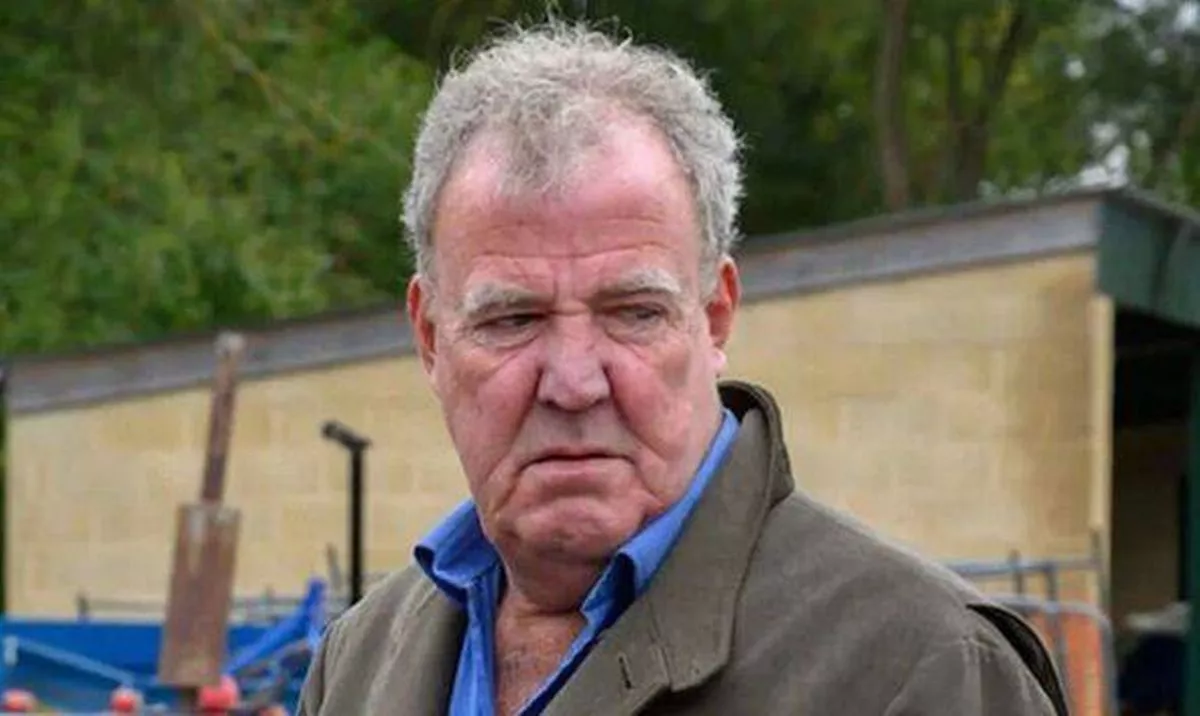
Jeremy Clarkson, the outspoken television personality and farmer whose candid commentary has made him a household name, has once again stirred the pot in British politics by bestowing a scathingly inventive nickname upon Prime Minister Keir Starmer. Known for his unfiltered opinions on everything from cars to countryside life, Clarkson didn’t hold back when he jumped into a heated online discussion, coining a term that blends vulgarity with wordplay in a way that’s quintessentially Clarkson. This latest jab comes amid growing tensions between the farming community and the Labour government, amplifying Clarkson’s role as a vocal critic of policies affecting rural Britain.
The incident unfolded on the social media platform X (formerly Twitter), where Clarkson, aged 65, responded to a thread that began with a pointed critique from Reform UK MP Rupert Lowe. Lowe, the MP for Great Yarmouth and a former chairman of Southampton FC, tweeted: “Heavy rumours that Labour MPs are turning on Starmer. Good. He should be ejected from office. He has disgraced the position of Prime Minister.” This post, shared on November 11, 2025, quickly gained traction, amassing over 42,000 likes and sparking widespread debate about Starmer’s leadership amid economic woes and policy missteps.
Singer Carol Decker, best known as the frontwoman of the 1980s band T’Pau, reshared Lowe’s tweet and added her own frustrated commentary: “I wish I could invent another swear word to describe @Keir_Starmer.” It was this plea for linguistic creativity that caught Clarkson’s eye. Never one to shy away from controversy, the Clarkson’s Farm star replied directly on November 12, 2025: “Custard is useful. Half cunt half bastard.” The post exploded in popularity, racking up nearly 39,000 likes, over 2,300 reposts, and hundreds of replies within days, showcasing Clarkson’s enduring influence on social media.
Fans and followers were quick to react to the cheeky insult, with many praising Clarkson’s wit while others speculated on its potential cultural impact. One user commented, “Can’t wait to hear you use that next season on Clarkson’s Farm,” hinting at the possibility of the term making its way into the hit Prime Video series, which chronicles Clarkson’s often chaotic attempts to run his 1,000-acre Diddly Squat Farm in Oxfordshire. Another predicted it would be “trending within the week,” while a more cautious responder joked that Clarkson might “end up getting himself arrested” for his boldness. The nickname “Custard” – a playful yet profane portmanteau – resonated particularly with those disillusioned by Starmer’s policies, turning it into a viral shorthand for frustration.
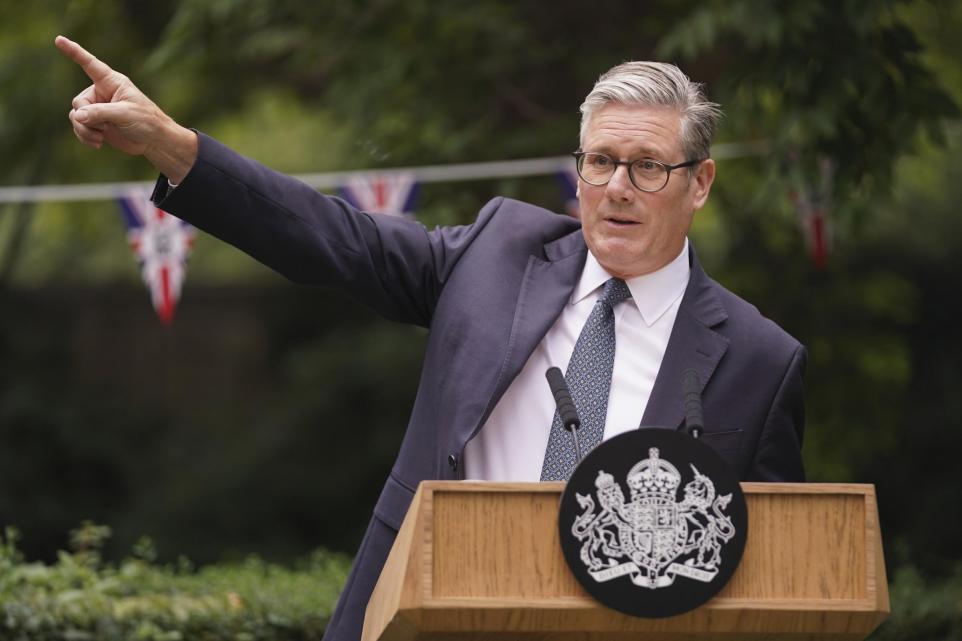
This isn’t Clarkson’s first rodeo when it comes to lambasting the Prime Minister. His feud with Starmer has been brewing since Labour’s ascension to power, fueled largely by contentious agricultural reforms. In October 2025, following the Conservative Party conference, Clarkson penned a fiery column for The Sun where he accused Starmer of economic incompetence. “Starmer has no clue what to do about the economy because he’s thick… that’s why he’s broken it,” Clarkson wrote, pulling no punches in his assessment. He extended his criticism to other political figures, including Reform UK’s Nigel Farage, noting: “Farage rarely talks about the economy, and when he does, his numbers don’t add up. He says he wants to cut taxes and increase spending by £150 billion. Huh?” These remarks underscore Clarkson’s broader disdain for what he perceives as political ineptitude across the spectrum.
At the heart of Clarkson’s ire lies the UK’s farming sector, which he has championed through his documentary series Clarkson’s Farm. The show, now gearing up for its fifth season, has shed light on the myriad challenges facing British farmers, from bureaucratic hurdles to financial strains exacerbated by recent budget changes. Starmer’s government has faced backlash over inheritance tax reforms on agricultural land, which Clarkson and others argue could devastate family farms. This context adds a layer of seriousness to Clarkson’s otherwise humorous jabs, positioning him as a spokesperson for rural discontent. Just days before the “Custard” incident, Clarkson had publicly supported a young farmer on Big Brother, highlighting similar tax woes, further cementing his status as a defender of the agrarian way of life.
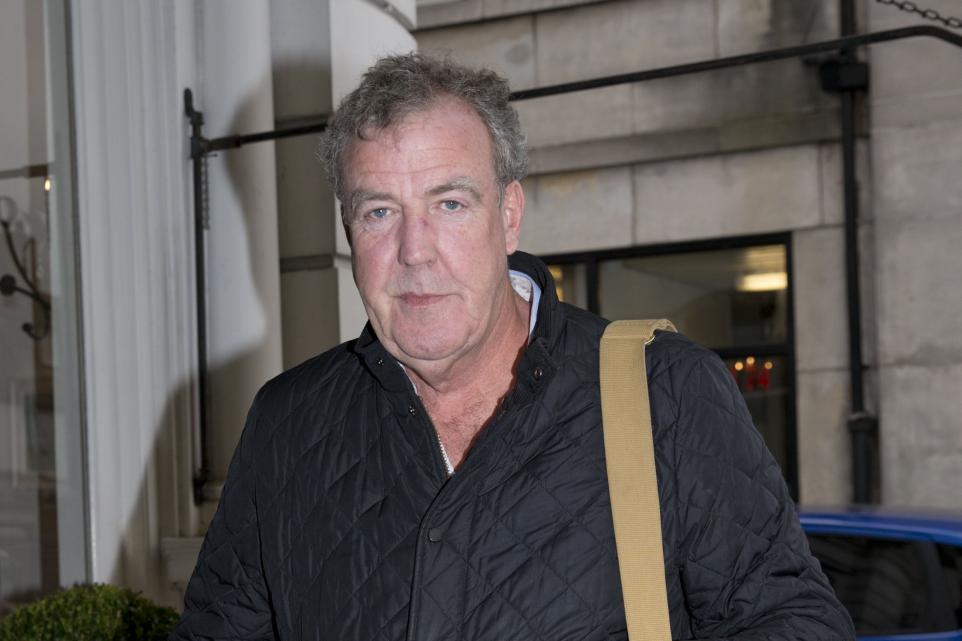
Media outlets were swift to cover the story, with headlines like “Jeremy Clarkson comes up with savage nickname for Keir Starmer” from the Daily Express and “Jeremy Clarkson pulls no punches as he ‘invents new swear word'” from GB News. Social media pages dedicated to Clarkson’s Farm even shared memes and discussions, with users adopting variations like “Colonel Custard” or “Custard Starmer” in their own posts. The episode has sparked conversations about the boundaries of free speech, political satire, and the role of celebrities in public discourse, especially in an era where social media amplifies every quip.
As the dust settles, Clarkson’s “Custard” moniker may fade into internet lore, but it exemplifies his trademark blend of humor and provocation. Whether it’ll appear in future episodes of Clarkson’s Farm or inspire a new wave of political nicknames remains to be seen, but one thing is clear: in the court of public opinion, Clarkson continues to reign as the king of unapologetic commentary.
