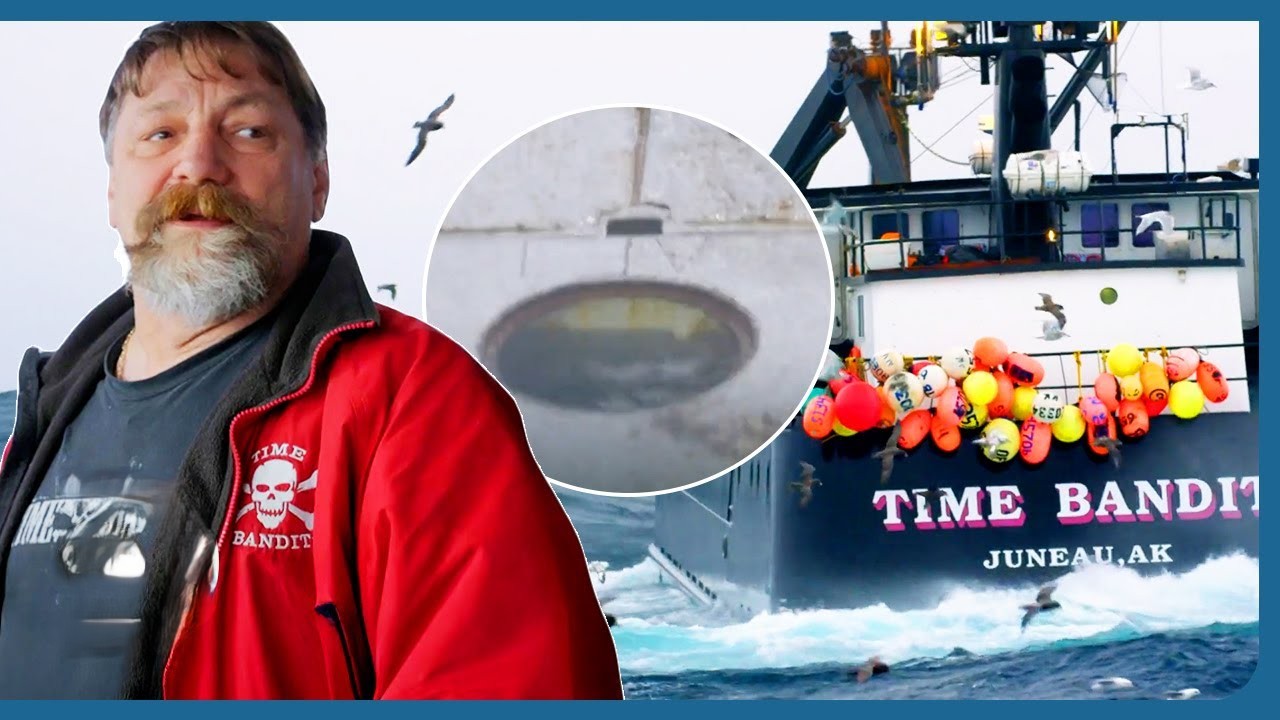
In the unforgiving waters of the Bering Sea, where Mother Nature’s wrath meets human determination, the crew of the crab-fishing vessel Time Bandit stared down one of the season’s most ferocious storms—Typhoon Kong-rey, a massive system barreling in from Taiwan. What unfolded was a heart-pounding saga of skill, luck, and sheer grit, as captured in raw footage from the boat’s deck, reminiscent of the high-drama episodes that have made Deadliest Catch a staple of reality television.
The ordeal began with Captain Andy Hillstrand momentarily relinquishing the wheel to a crew member—affectionately called “honey”—amid swelling waves and howling winds. “Watch the wheel for me, honey. You’re in charge,” he instructed, his voice steady but laced with urgency. As the boat pitched and rolled, the reality set in: “Look at that one coming. Oh my God. Heather. Oh my God. It’s fine. Oh my God. Storm.” The typhoon, dubbed Kong-rey, was no joke; the crew knew they were heading straight into its eye. “It’s from Taiwan called Kong Ray. It’s a typhoon. We’re going to be right in the center,” one voice warned, emphasizing safety above all. “So, just be safe. We’ll get through it. It’s going to be slow.”
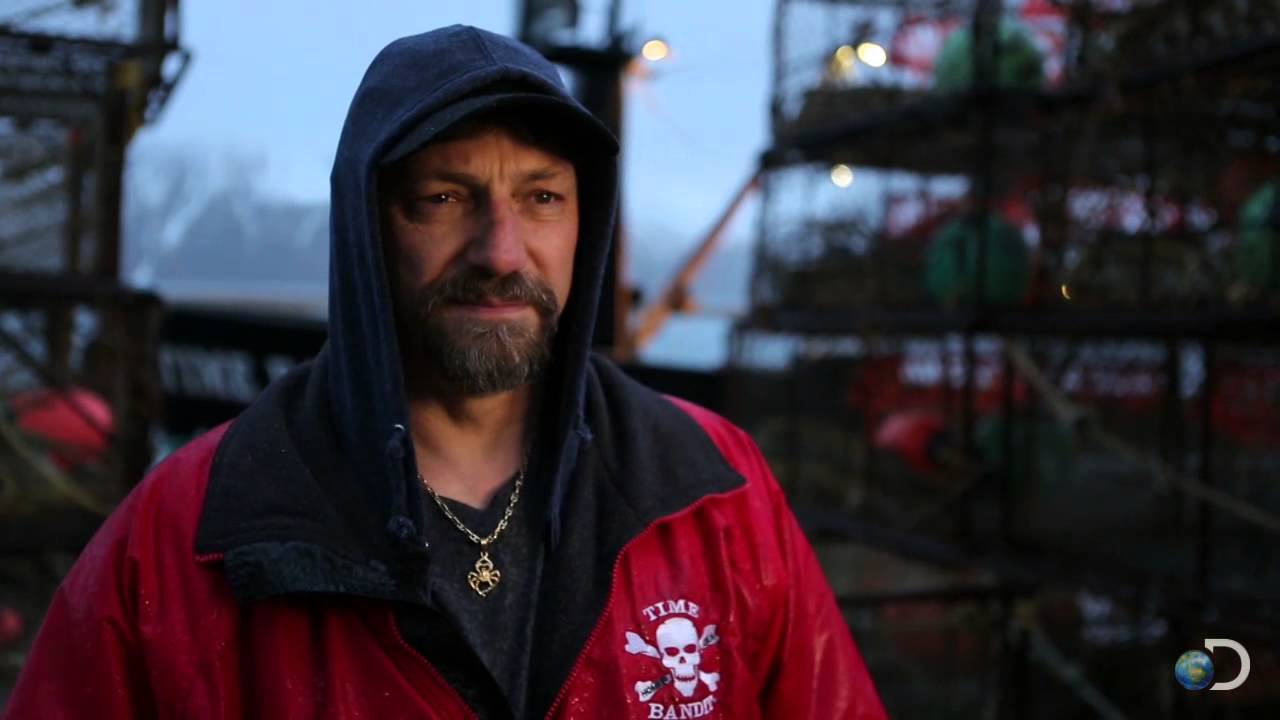
For the Hillstrand brothers—Andy and Jonathan—and their tight-knit team, including deckhands like Freddy Maugatai and Neil Hillstrand, crab fishing isn’t just a job; it’s a high-risk gamble where fortunes are won or lost in the blink of an eye. Drawing inspiration from pop culture, they affectionately refer to their vessel as the “Tin Man,” invoking the heartless character from The Wizard of Oz. But as Jonathan quipped in the midst of the chaos, “This boat, this Tin Man’s got a heart. Big heart. And there’s no storm’s going to stop this Tin Man. The heart’s too big.” Unlike many boats personified as female—such as the rival Northwestern—the Time Bandit embodies a rugged, unyielding masculinity: “This is just the time man. It’s a tin man. It’s our buddy.”
As the storm intensified, the crew pressed on with their mission: hauling crab pots from the depths. Navigating the treacherous conditions required precision and caution. “It’s nautical out here. Got to go check this second string. That’s just as bad as almost worse,” came the call from the wheelhouse. To avoid endangering the deck crew, the captain executed a wide loop around the buoys: “To keep the guys safe, I can’t pull to the west because it’s blowing northerly and the waves will be right on the open side of the boat. But the buoys are hanging to the east. So I have to do like a full circle around the whole mess so I don’t run the line over.” Rogue waves lurked everywhere, making every maneuver a potential disaster. “Chance that someone can get hurt ’cause either when rogue waves are popping around out here. It’s really tricky driving.”
Despite the peril, the pots delivered. “Okay, coming around. Coming up. Freddy, if these hit, we can offload one on time. That’s a good pot. That’s a good one, huh? Four pots like five. 20. Yeah, baby,” the crew cheered as they dumped a haul exceeding 400 pounds. “Okay, dump her back, guys. I love it. That’s more than 400 lb.” But triumph was short-lived. Midway through, crisis struck: “Hey, I got to find the next spot. So, I got to every pod I got to go. Come on, grabbies. All right. Got to be careful. I just got to go slow. Maintain. He hits the room. We got a flat tank, guys. Run. Run and hide real quick.”
A “flat tank” spelled Code Red—a malfunction where the pump fails, turning the hold into a sloshing washing machine that could capsize the boat. “Sock tank means the pump’s not running. The water goes down. It starts going like this and it just like a washing machine. You need to turn a little bit and go into it. We can capsize,” the warning echoed. In such moments, survival suits and life rafts are the last line of defense: “If you don’t get in your survival suits and your life wrap, you’re dead.” Sniffing out the issue—a hot electrical wire—the team acted fast. “Knock on wood. I think hot electrical wire. You just got to really watch it. I think we found the problem. Take the wire out. Throw the breaker.” After a tense repair—”What happened? I smell something hot down there. Like electrical. Yeah, it shorts out then it blows breaker. That’s what breakers are for. Open up the cover and there’s wires burnt”—the pumps roared back to life. “Got the crab up running it again. There it goes. I got you, Neil. Always fun. I’ll keep hauling gear then.”
With the fix in place, the crew powered through. “Coming up, guys. We almost got them. All right, Freddy. Here we go, man. Been lucky out here. Got him. We got angels flying behind us. Whatever it takes. Do this.” The final pot sealed the deal: “Hey, this is the last one. Let’s go get this one, Freddy. We got one left here. Let’s do it. Be careful. Good job, guys. Thank you. Thank you. I’m sweating up here. Thank you guys.” As the storm raged on, the Time Bandit’s “heart” prevailed: “Time man aka Tin Man didn’t want us to give up.”
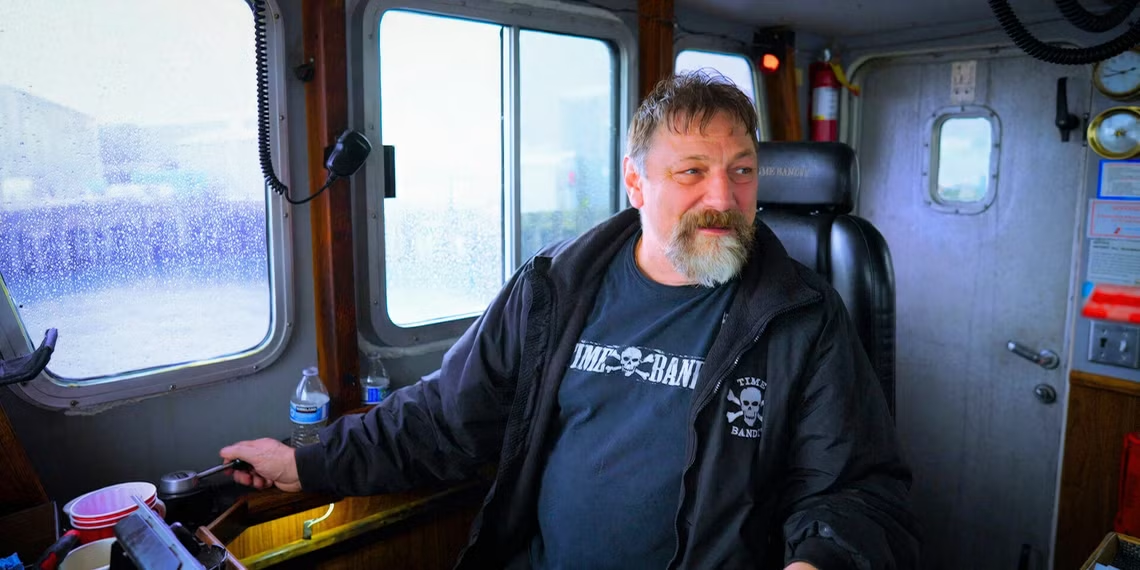
This episode underscores the brutal realities of Alaskan king crab season, where crews like the Time Bandit’s risk everything for a payout that can reach millions. Typhoon Kong-rey, which battered the Pacific in late 2018, serves as a stark reminder of the sea’s unpredictability. Fans of Deadliest Catch, now in its 20th season on Discovery Channel, know the Hillstrands’ boat well— a 113-foot vessel built for endurance, not comfort. Yet, as Jonathan’s futuristic quip hinted—”Like the time had a voice of the going to kill. I be I’m back from the future to kill crab”—their humor keeps spirits high amid the danger.
In an industry plagued by accidents—over 100 fatalities in the Bering Sea fisheries since 2000—the Time Bandit’s successful haul is a testament to experience and teamwork. As one crew member put it post-storm: “We go out in the storm and kill crab. That is all.” For these modern-day adventurers, the reward is worth the roar of the waves. But as climate change intensifies storms, questions loom: How long can even the toughest “Tin Men” hold out?
