Ancient Clues Emerge on Oak Island, Linking Swamp to Hidden Cargo and Mysterious Military Secrets

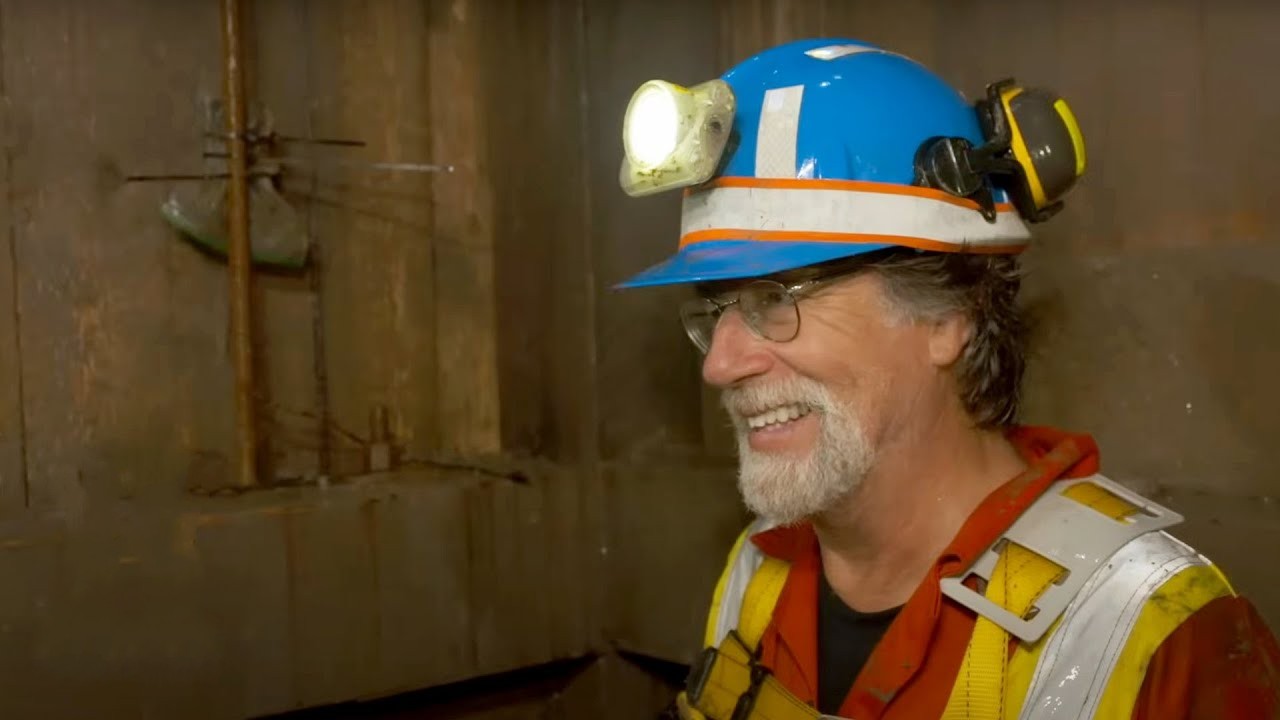
The Lagina brothers’ unyielding quest on The Curse of Oak Island took a dramatic turn in Season 13’s latest episode, “The Smoking Gun,” as excavations in the swamp and Lot 5 unearthed a trove of artifacts suggesting man-made alterations for secretive cargo operations dating back centuries.
In the triangular swamp, Rick Lagina, Marty Lagina, and team members including Gary Drayton, Billy Gerhardt, and Alex Lagina focused on a 500-year-old stone road—first spotted in 2020—believed to be a ship’s wharf or pathway for unloading valuables. Discoveries included a hand-forged chain and hook, dated by blacksmith Carmen Legge to the 16th century, potentially used for heavy lifting. Further digs revealed X-cut wood, unnatural peat-over-sand layers analyzed by geologist Dr. Ian Spooner as evidence of deliberate manipulation, and sharpened spikes from the 1700s, possibly wharf pins.
Pottery shards, some with leaf designs and glazed surfaces indicating wealth, were hand-excavated, suggesting diverse styles from deeper, older layers. An iron fastener, possibly for lanyards in underground spaces, and a chisel-like tool from the 1600s-1700s added to theories of a buried dam or structure, echoing late treasure hunter Fred Nolan’s claims of an artificial swamp to conceal treasures.
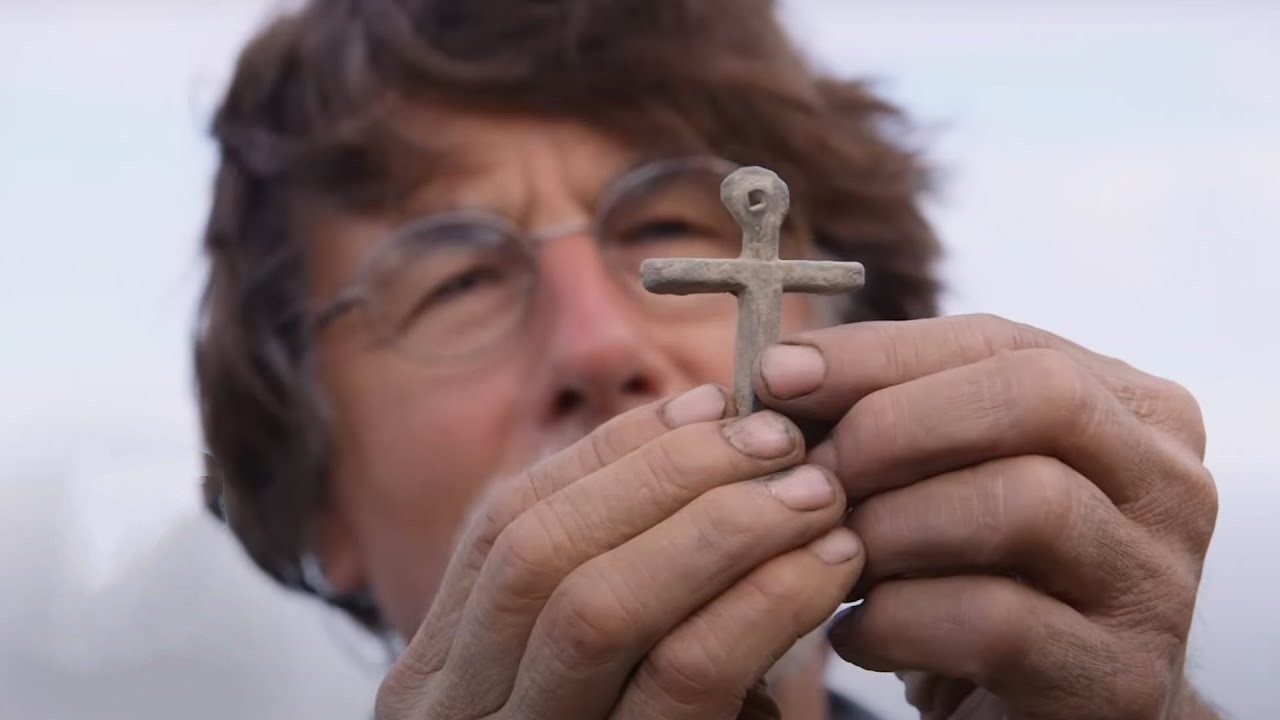
On Lot 5, Rick and Gary uncovered a thick ancient coin—potentially Roman, adding to five prior finds—and a lead bag seal with engravings matching 1700s London cloth packers, possibly “Army Packers” tied to military supplies. XRF analysis by archaeometallurgist Emma Culligan showed lead with iron and copper traces, dating from the 16th-18th centuries. A lead shot from a small-caliber firearm, likely 1700s, and a musket ramrod guide with Roman numerals (resembling “VIII”) evoked links to Smith’s Cove’s U-shaped structure from the 1970s, hinting at regiment markings.
Experts like archaeologist Laird Niven connected these to European trade, military operations, and the 1746 Duke d’Anville expedition, where French forces allegedly buried treasure nearby. CT scans revealed hidden details, fueling speculation of Templar or pirate involvement.
As the team ponders connections between the swamp’s engineered features and Lot 5’s military artifacts, Rick emphasized: “This could be the smoking gun we’ve been waiting for.” With more targets flagged, the hunt intensifies, promising to rewrite North American history one dig at a time.