Oak Island Discovery: Roman Coin Raises New Questions in Season 13’s ‘Medieval Intentions’

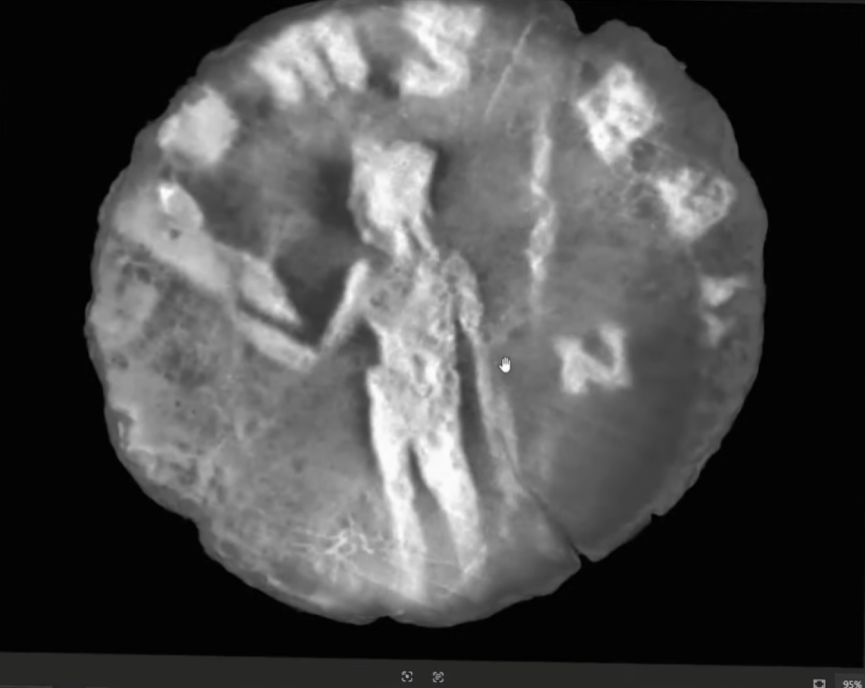
In a groundbreaking episode of The Curse of Oak Island titled “Medieval Intentions,” the Lagina brothers and their team unearthed artifacts that could rewrite North American history, pushing the island’s mystery back to ancient Roman times. The discoveries, blending cutting-edge science with historical intrigue, suggest Oak Island may have been a hub for secretive operations spanning millennia—long before Christopher Columbus set foot in the New World.
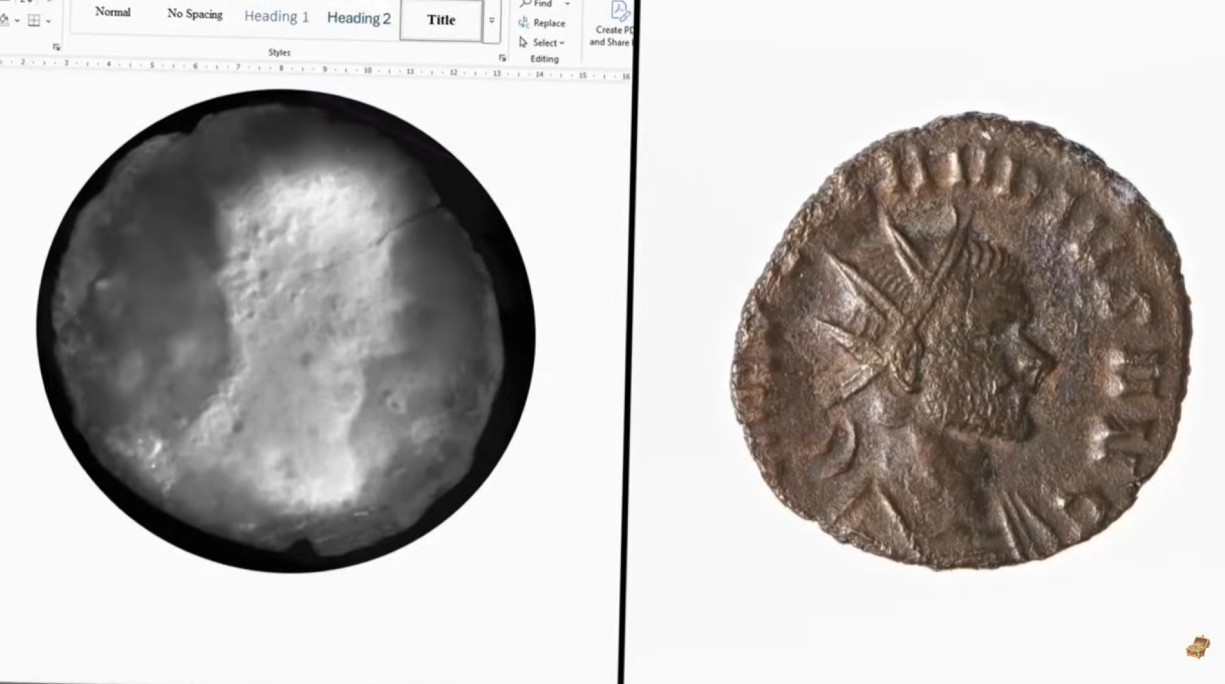
The episode’s bombshell came early: a well-preserved Roman coin discovered on Lot 5, analyzed by archaeometallurgist Emma Culligan using X-ray fluorescence (XRF) testing and CT scans. The coin’s composition—traces of copper, iron, calcium, silicon, and silver—matches ancient Roman alloys. CT imagery revealed lettering, a bust, and workshop markings identifying it as from the reign of Emperor Claudius II (268-270 AD), making it nearly 1,750 years old. “A Roman artifact buried in Nova Scotia—what the hell is going on?” exclaimed team member Rick Lagina, echoing the crew’s astonishment.
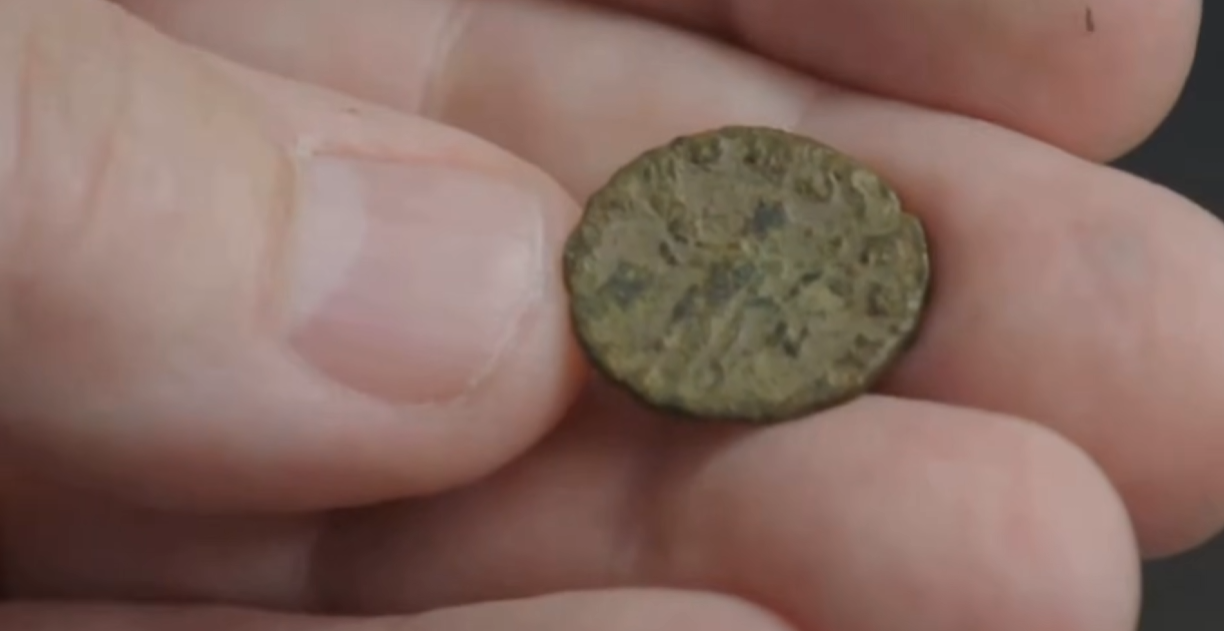
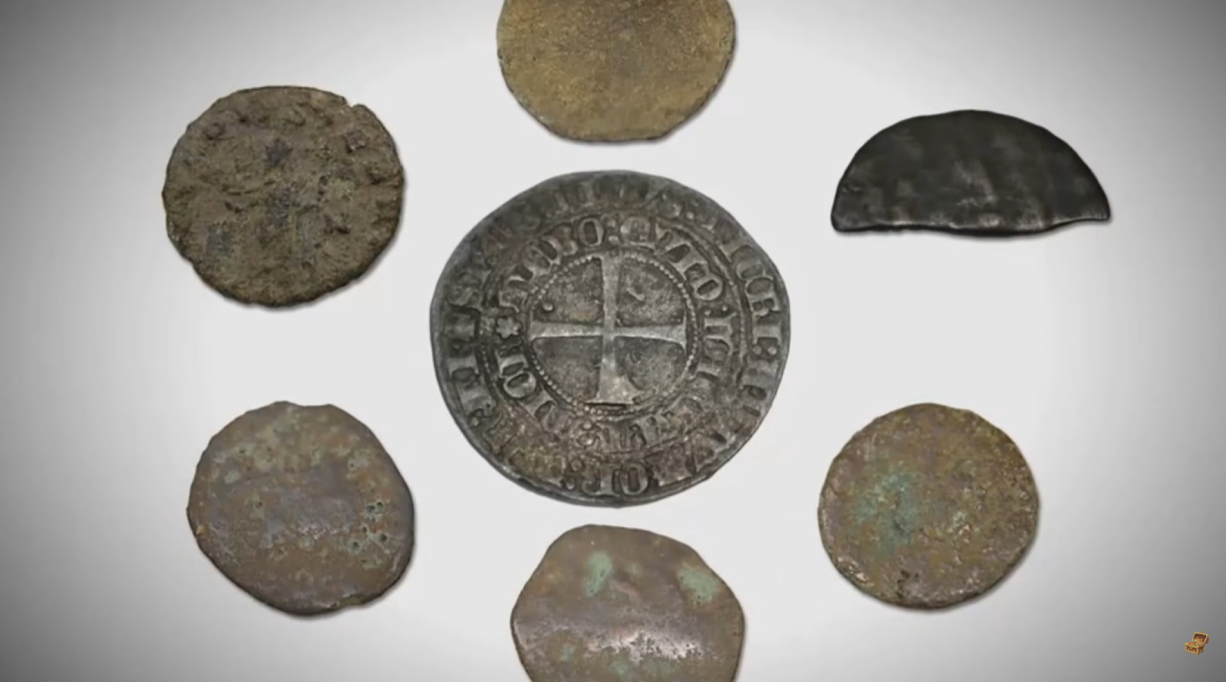
This marks the sixth Roman coin from Lot 5, all from a similar era, as confirmed by coin expert Sandy Campbell. Remarkably, the coin’s elemental makeup—lead, tin, copper, and zinc—aligns with metals detected in the solution channel beneath the Money Pit, hinting at a direct link between surface finds and underground secrets. Even more intriguing, it matches the composition of a Portuguese “piblatto” coin unearthed earlier this season, bridging artifacts separated by over 1,000 years. These connections bolster the theory that Oak Island served multiple groups across centuries, from ancient traders to medieval explorers.
Shifting to the swamp, surveyor Steve Guptill pinpointed a new unexplored western zone, just 180 feet from a 13th-century stone pavement discovered previously. Excavation revealed sharpened wooden stakes, hand-carved with axes rather than sawn, carbon-dated to the 1630s-1700s. Similar to stakes along a nearby cobbled path, these suggest an intentional pathway for transporting heavy loads—possibly treasure. “The stakes point toward purpose, not random settlement,” noted Lagina. The swamp, long suspected as a staging ground, now appears engineered for concealment and movement, potentially tying into the Money Pit’s infrastructure.
Lot 5 continued to yield clues of habitation. Archaeologist Fiona Steele examined a rounded shoreline feature, uncovering a pipe stem with a borehole dated 1753-1800—aligning with the pre-1795 discovery of the Money Pit—and fragments of a 17th-18th century earthenware food bowl. These artifacts imply active human presence during a period when records show no official residents. “Who was preparing food on Lot 5 in 1650? Who worked here, and what were they hiding?” pondered the team.
A mid-episode twist amplified the Templar connections: a tiny Venetian glass bead from the same feature, its XRF-confirmed composition matching other island finds. Linked to the Knights of Malta—a Templar-descended order—the bead ties to 1600s activities in Nova Scotia under French naval captain Isaac de Razilly, who established a headquarters just 15 miles away at Fort Point. If comparisons confirm matches with Fort Point artifacts, it could prove direct Templar-era contact, transforming Lot 5 into Oak Island’s most pivotal site.
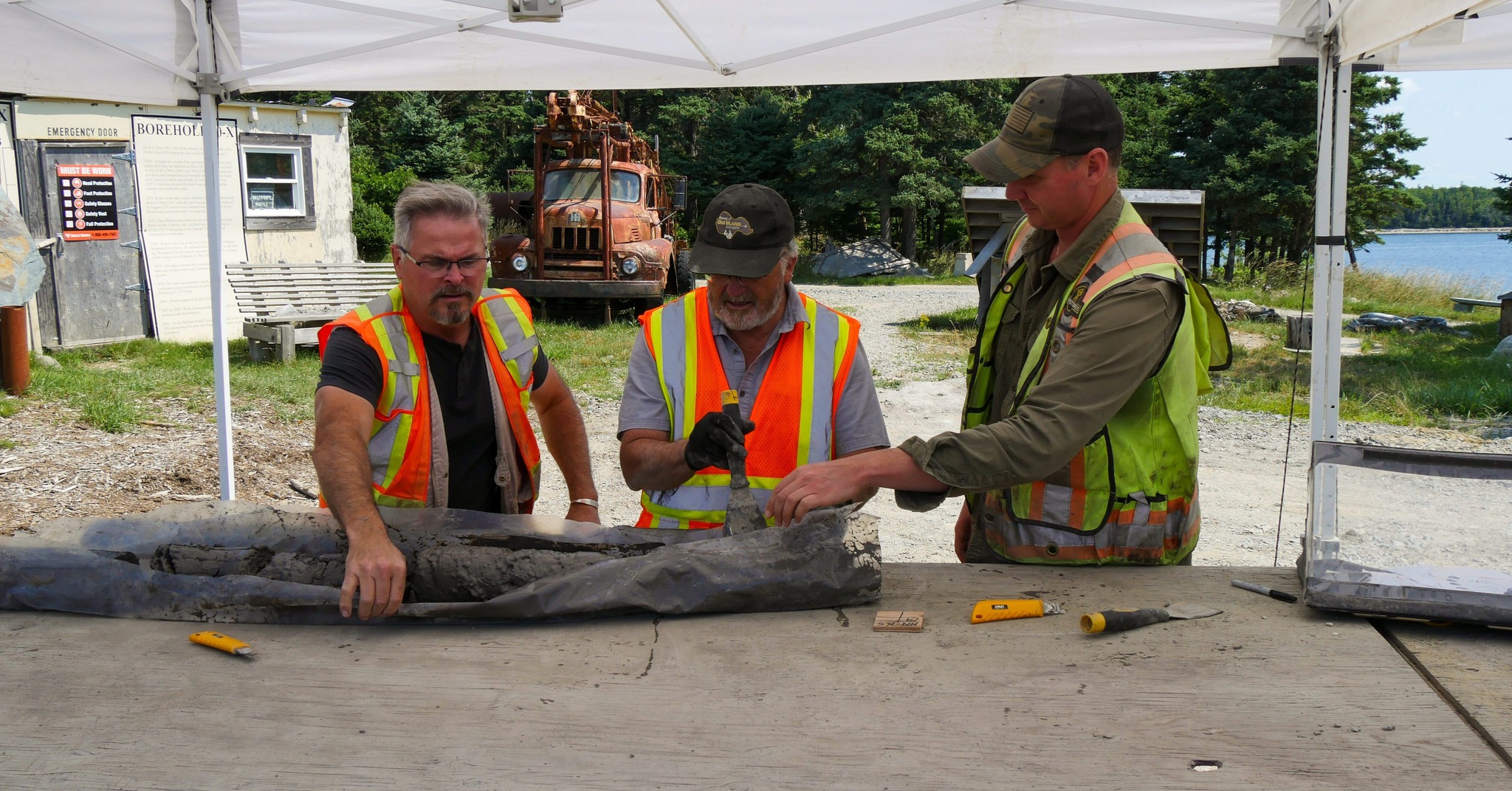
Deep in the Money Pit, core drilling into borehole J-58.5 hit a 30-foot void at nearly 230 feet—no bedrock in sight, with rods free-falling up to 15 feet. This collapse zone suggests a “treasure migration” area where dense objects might have sunk through engineered traps. “We’re nowhere near done,” declared Rick Lagina, hinting this void could hold relics at the solution channel’s bottom—untouched by prior hunters.
On Lot 4, metal detectorists Gary Drayton and Charles Barkhouse found a beveled lead strip with a hole, eerily resembling the 2017 Smith’s Cove Templar cross. Matching earlier lead tokens isotopically, it evokes crosses from Templar sites in Europe and Iceland. “We could be in Templar country,” Drayton asserted, signaling a pattern that could solidify medieval involvement.
As the episode closed, the narrative coalesced: Roman coins from 250 AD, Portuguese relics from the 1300s, 1700s pottery, Venetian beads, and geological anomalies painting Oak Island as a chosen site for cross-cultural secrets. Theories of Knights Templar, Maltese orders, or even unknown societies gain traction through data-driven evidence. With swamp features, Money Pit voids, and Lot 4 leads teasing more revelations, the hunt transcends treasure—it’s a quest to unravel hidden chapters of history. As Rick Lagina urged, “We mustn’t give up.” Viewers agree: Oak Island’s ground is screaming its truths.