
Season 16 of Discovery’s hit reality series Gold Rush is already shaping up to be one of the most unpredictable in the show’s storied history, and Episode 3, titled “Rick’s Bold Call,” cranks the volatility to eleven. From tense negotiations that could make or break a miner’s comeback to catastrophic floods and rookie blunders that test even the most seasoned crews, this installment is packed with emotional highs, mechanical lows, and the raw grit that keeps fans glued to their screens. As the Klondike’s frozen ground yields its treasures—or stubbornly withholds them—the mine bosses face mounting pressures that could redefine their fortunes.
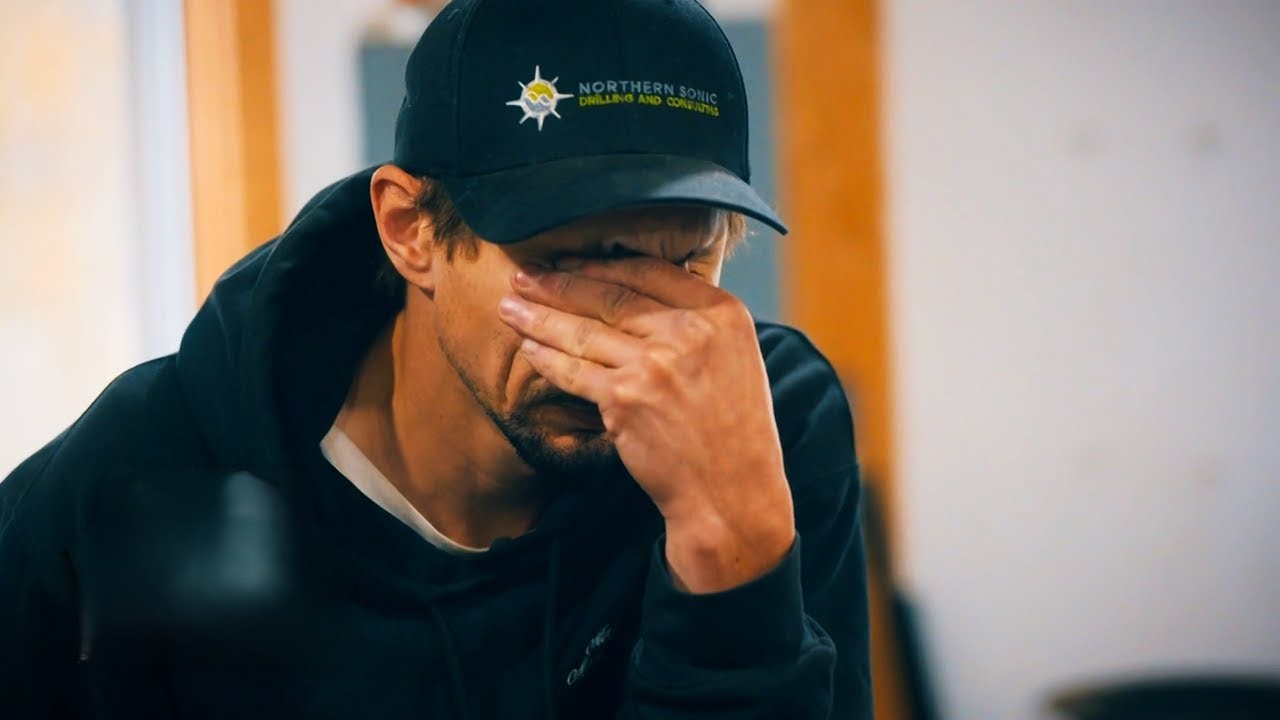
At the center of the episode’s drama is Rick Ness, the resilient miner who’s clawed his way back into the game after personal and professional setbacks. Fresh off agreeing to a 15% royalty deal with landowner Troy Taylor for the Diamond Cut claim, Rick finds himself at a familiar crossroads. But as Taylor lays out the full terms, the numbers don’t add up, and the restrictions feel like a noose tightening around his operation. Refusing to fold, Rick pushes back in a heated negotiation that showcases his growth. His voice steady and reasoning sharp, he demands fairness, challenging terms that could “bleed him dry.” It’s a bold gamble: Win the concessions, and he secures a fighting chance; lose, and his season might end before it begins. Viewers will be on the edge of their seats to see if fate rewards his courage or punishes his defiance.

Meanwhile, over at Parker Schnabel’s ambitious operation, the push for a record-breaking 10,000 ounces of gold is hitting muddy roadblocks—literally. With all four wash plants needing to fire on all cylinders, a catastrophic flood in the cut overseen by foreman Tyson Lee turns the site into a waterlogged nightmare. Pumps churn nonstop, but the deluge wins battle after battle, threatening to derail production. Adding to the chaos, Tyson must train a crop of green rookies, including standout newcomer Amy Lee—a former science teacher with zero mining experience. Thrown into the high-stakes role of feeding material into the wash plant, Amy absorbs Tyson’s coaching on bucket angles, flow consistency, and safety protocols. Against the odds, she steadies her nerves, sharpens her skills, and earns quiet respect from the crew. In a season starved for wins, Amy’s transformation from nervous novice to potential team cornerstone offers a glimmer of hope for Parker’s juggernaut.
The powder keg that is Tony Beets’ operation finally detonates in spectacular fashion. The Klondike king, never one for infinite patience, is surrounded by rookies whose errors are piling up like tailings. The breaking point comes when one misjudges a corner, flipping a truck and grinding the site to a halt—only for another to repeat the blunder moments later. Tony storms in like a bulldozer, unleashing a tirade of frustration that echoes across the claim. His message is crystal clear: Mistakes cost time, money, and gold, and he’s running low on all three. Veterans avert their eyes, rookies freeze, and the meltdown underscores why Tony remains one of Gold Rush‘s most explosive personalities.

Kevin Beets’ team, grappling with a “critical depth issue” akin to a sports squad losing key players mid-season, faces heightened concerns over consistency, morale, and equipment. The recent loss of crew members to Parker’s operation has created gaps that could slow progress, likely requiring Kevin to bolster his manpower to stay in the fight.
As Episode 3 wraps, the temperature in the Klondike rises. Every mine boss is stretched thin, every crew tested, and every decision weighted with gold-laden consequences. Rick’s bold call could set the tone for a season of unprecedented drama.
Early Season Gold Hauls: Leaders and Laggards Emerge
Coming off Episode 2, the mine owners’ progress paints a picture of who’s surging ahead and who needs a comeback. Tony Beets leads with a solid 630 ounces, valued at over $2 million, though his rookie crew’s learning curve could test his momentum. Parker Schnabel dominates with nearly 4,000 ounces—worth around $11 million—putting him on track for his lofty goal, provided his wash plants stay operational.
Rick Ness, still chasing his first payoff, sits at zero ounces, navigating claim negotiations and crew integration to avoid an early-season hole. Kevin Beets has a modest 100 ounces (under $400,000), but manpower shortages from poaching could hinder his climb.
With the season young, the Klondike’s whims could flip the script at any moment. Stay tuned—every ounce counts in this unforgiving frontier.