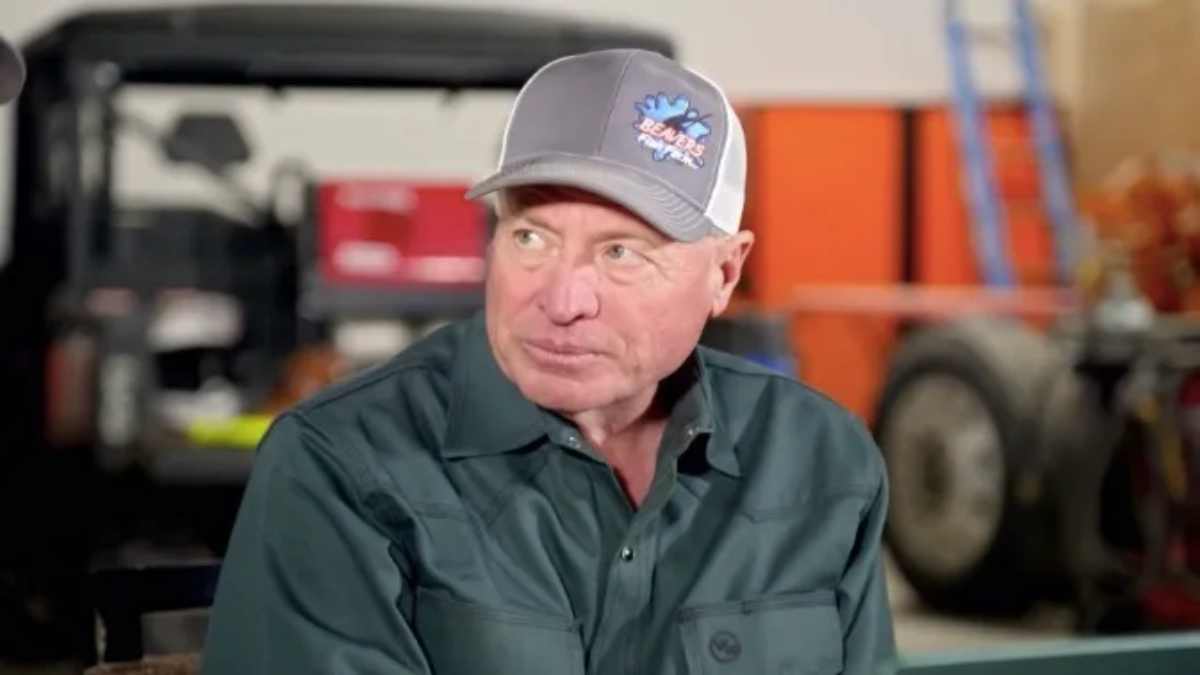
In a dramatic turn of events straight out of a frontier tale, mining expert Freddy Dodge has transformed the fortunes of brothers Kevin and Lind Deetsz, whose Montana gold operation teetered on the edge of collapse. What began as a desperate call for equipment repairs escalated into the discovery of a potentially massive gold deposit, sparking rumors of a $45 million payday that has the mining community buzzing.
The Deetsz brothers, long-time dreamers in the historic Gold Ridge Hills, had invested everything into their claim—a narrow, snake-like strip of land scarred by the efforts of 19th-century miners. Despite their dedication, yields were dismal, with pans and sluice runs barely showing color. “We’re not even close. We’re in big trouble,” Kevin Deetsz confessed during Dodge’s initial assessment.
Dodge, renowned as the “gold whisperer” from the hit TV series Gold Rush, arrived to find not just faulty machinery but a mine starved of viable pay dirt. Mapping the property, he spotted an untouched inside bend in an ancient creek meander—a geological gold trap where water slows and heavy metals settle. “For them to go to that much trouble, there had to have been some serious gold there,” Dodge noted, referencing the old-timers’ hand-built retaining walls of massive rocks moved without machinery.
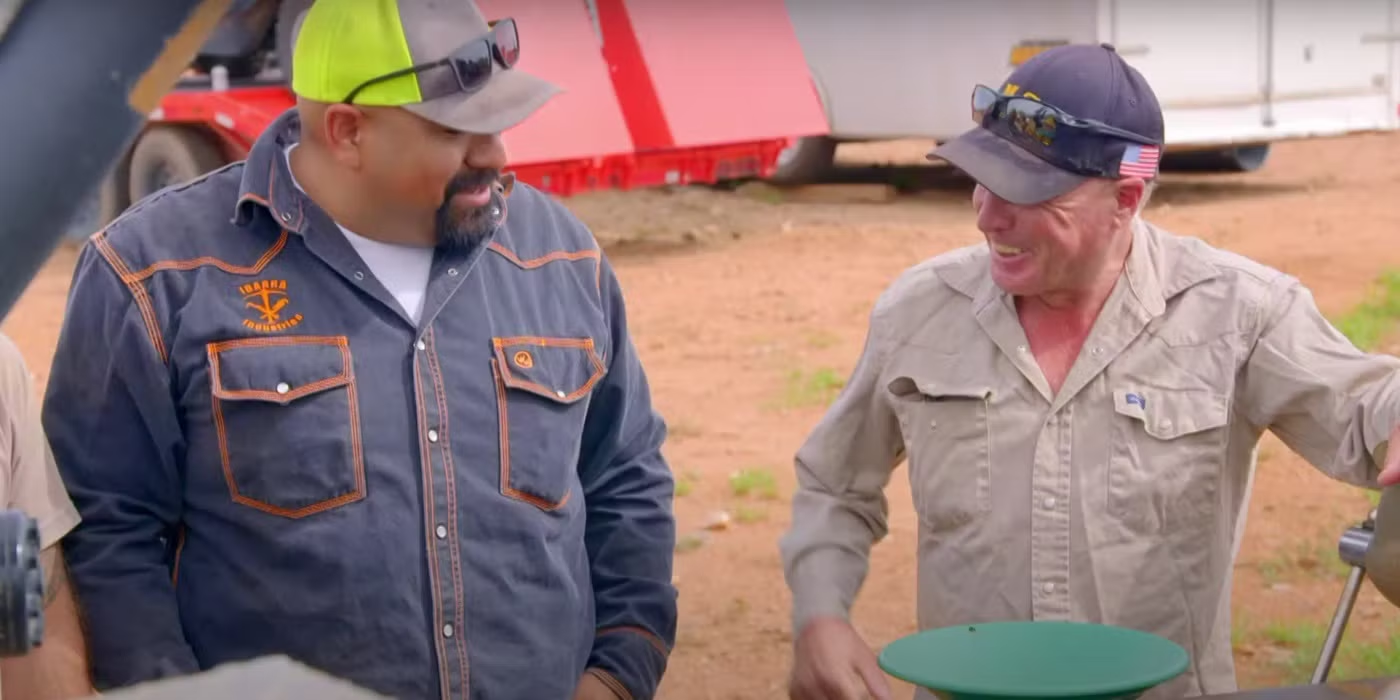
Excavating the spot revealed a 3-foot-thick layer of rounded river rock, prime for trapping gold. A quick pan test yielded chunky pieces—three times more than the brothers’ previous bulk samples. “The old-timers missed it. We found it,” Dodge declared, crediting the team’s enthusiasm boost.
But discovery was only half the battle. The brothers’ wash plant was inefficient, losing fine gold—the “super fine gold” that separates profitable mines from failures. Over five days, Dodge and mechanic Juan Araujo overhauled the system: repairing the hopper feeder for consistent flow, fabricating a custom chute for even distribution across the sluice box, and installing angled riffles with specialized carpets to capture microscopic particles.
The revamped plant was put to the test with an 80-minute run of the new pay dirt. The cleanup revealed 0.44 ounces of gold— a 350-400% increase over prior tests, equating to $900 in value. “For the amount of time that was ran, this is a 350 to 400% increase in gold,” Dodge announced, turning despair into hope.
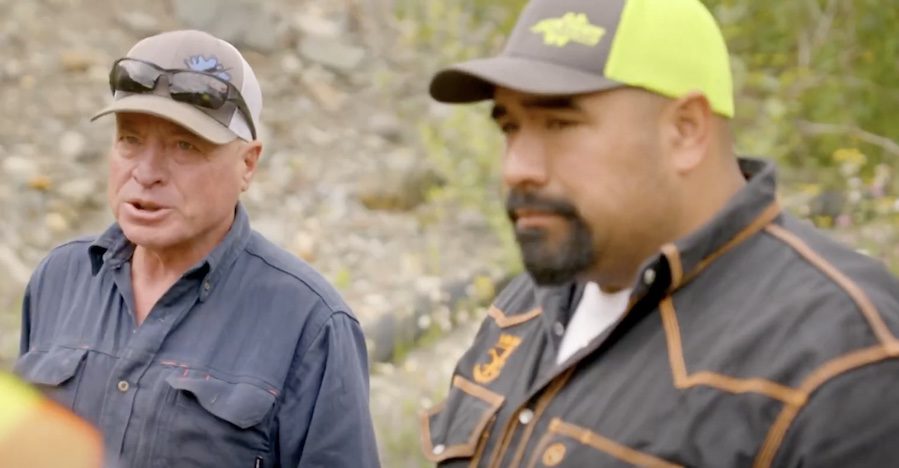
Whispers of a $45 million bonanza stem from projections, not an immediate haul. Based on the sample, Dodge estimated 2 ounces per 100 cubic yards. If the deposit extends 1,000 feet or more, the total could skyrocket. “It’s the hypothetical number if that pay streak is as long, as wide, and as consistently rich,” explained mining analysts familiar with placer deposits.
While not an overnight fortune, Dodge’s intervention has given the Deetsz operation a fighting chance at millions. As Dodge put it, “You could have the nicest wash plant in the world, and you just sit there and polish it every day cuz you don’t have any gold to run through it.” For the brothers, this isn’t just gold—it’s the revival of a dream.
The mining world watches closely: Is this luck, or the genius of reading the land? In Gold Ridge Hills, the legend grows, proving that in gold country, persistence and expertise can still strike it rich.