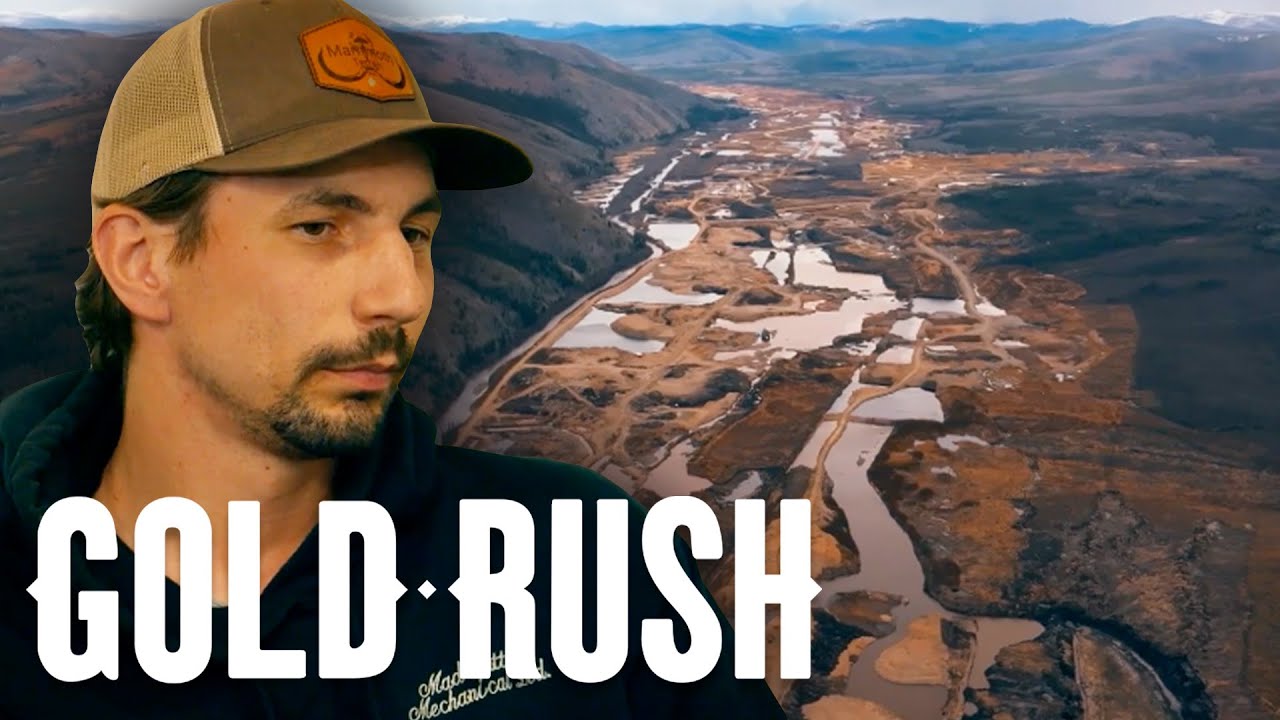
In the relentless pursuit of gold amid thawing permafrost and treacherous terrain, Yukon’s top miners faced a week of crises, triumphs, and bold gambles that could define their seasons. From flooded cuts threatening shutdowns to flipped trucks and a multimillion-dollar land deal sealed in ounces of gleaming metal, the Klondike’s gold fields proved as unforgiving—and rewarding—as ever.
At Parker Schnabel’s Dominion Creek operation, foreman Tyson Lee grappled with a surging flood at the 114-acre Bridge Cut. As spring meltwater overwhelmed drainage ditches, an undersized 8-inch culvert caused backups that risked halting wash plant Bob, a critical lifeline for the crew’s output. “Last thing I want to do is tell Parker that the cut’s flooded and we got to shut Bob down,” Tyson lamented as water pooled like a lake in the excavation site.
Enter rookie operator Michael Thompson, who stepped up in a high-pressure moment. Rallying the team, Thompson used heavy machinery to dig up the access road, swap in a massive 36-inch culvert, and rebuild the path—all in about an hour. “If I don’t hurry up and get this water figured out, Bob’s going to run out of pay,” he said amid the muddy chaos. The fix worked: water flowed freely, averting disaster and keeping the plant fed with gold-bearing dirt. Tyson praised the effort: “Michael sure stepped up to the plate and saved the day. He executed it perfectly.”
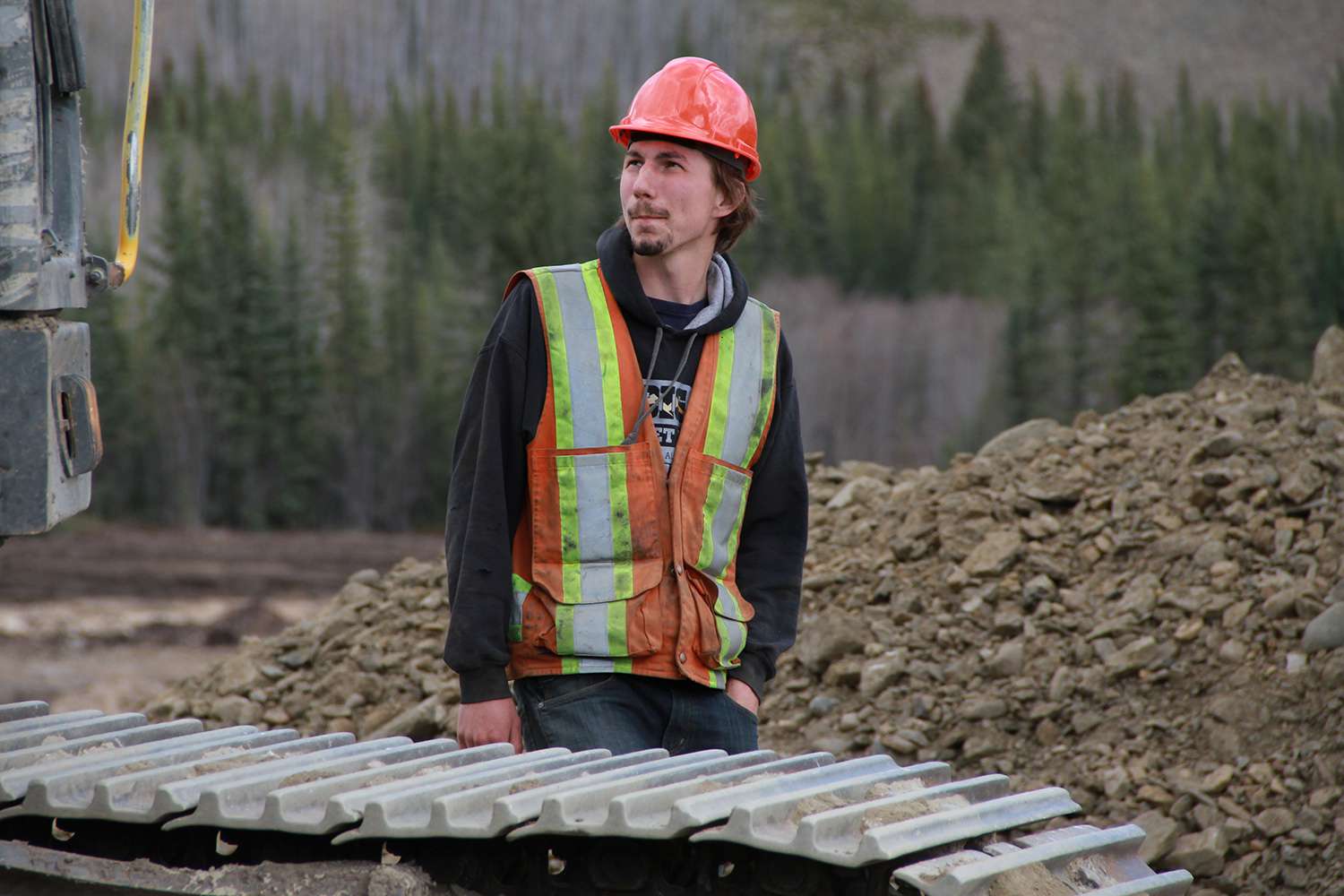
Meanwhile, at Tony Beets’ Early Bird Cut, operations hit a snag when experienced driver Mason McIntyre flipped a $300,000 rock truck on soft ground. “Got a little soft down there,” McIntyre admitted after the mishap, his first in a career of hauling heavy loads. Tony, ever the pragmatic boss, used a 480 excavator to empty the truck’s box and push it upright. “Hopefully, they’ll learn something,” Tony quipped, acknowledging the cost of such errors in an industry where downtime bleeds profits.
The incident echoed a similar flip earlier in the week, underscoring the perils of pushing limits to reach pay dirt before sluice plants run dry. With his 6,500-ounce goal in sight, Tony reflected on the human element: “If you want to do X amount of ounces a year, you need X amount of people. But sometimes it’s not that easy, especially when it costs money.”
In a bolder move, Rick Ness escalated his ambitions on Lightning Creek by negotiating a outright purchase of 1,600 acres from landlord Troy Taylor. Dissatisfied with a proposed lease contract that granted Taylor sweeping control— including the right to alter mining plans or pull equipment—Ness pushed back. “There’s an awful lot of power going into your hands here,” he told Taylor, citing a lack of trust implied in the terms.
Taylor defended the clauses, blaming stringent water license regulations: “If there’s any blemish, it will be reflected on me. It could result in getting my water license revoked.” Undeterred, Ness offered 100 ounces upfront as a minimum royalty, then upped the ante: “What if I buy it?” The deal? 300 ounces total—worth over $700,000 at current prices—payable by month’s end, transferring full ownership and liability to Ness.
“It’s a big one for me,” Taylor admitted, but the pair shook on it. Ness, now owning the unproven ground, confided: “I’m not sure what I just did. I think I came out on top.” With gold prices soaring but licensed land scarce, the acquisition could be a game-changer—if the dirt yields as hoped.
The week’s labors culminated in weigh-ins that offered glimmers of progress. Tony’s Early Bird Cut produced 142.14 ounces, worth nearly $500,000, boosting his season total to 774 ounces. “Still a little ways off from our goal, but we’ll get there,” Tony said optimistically.
Parker, aiming for 10,000 ounces, saw stronger results. Sluicifer, processing Golden Mile pay, delivered 152 ounces—up 35% from last week’s 112, valued at over $530,000. Bob, from the Bridge Cut, added 156.2 ounces, nearly $550,000. The combined 308.2 ounces doubled Parker’s season haul to 707.9. “Those two plants are just a couple ounces off each other—that’s crazy,” Parker noted, crediting Tyson’s leadership.
As the Yukon thaws and stakes rise, these miners embody the Klondike’s eternal dance of risk and reward. With floods fixed, trucks righted, and deals inked, the race for gold presses on—but in mining, fortune favors the bold, and the ground never gives up its secrets easily.