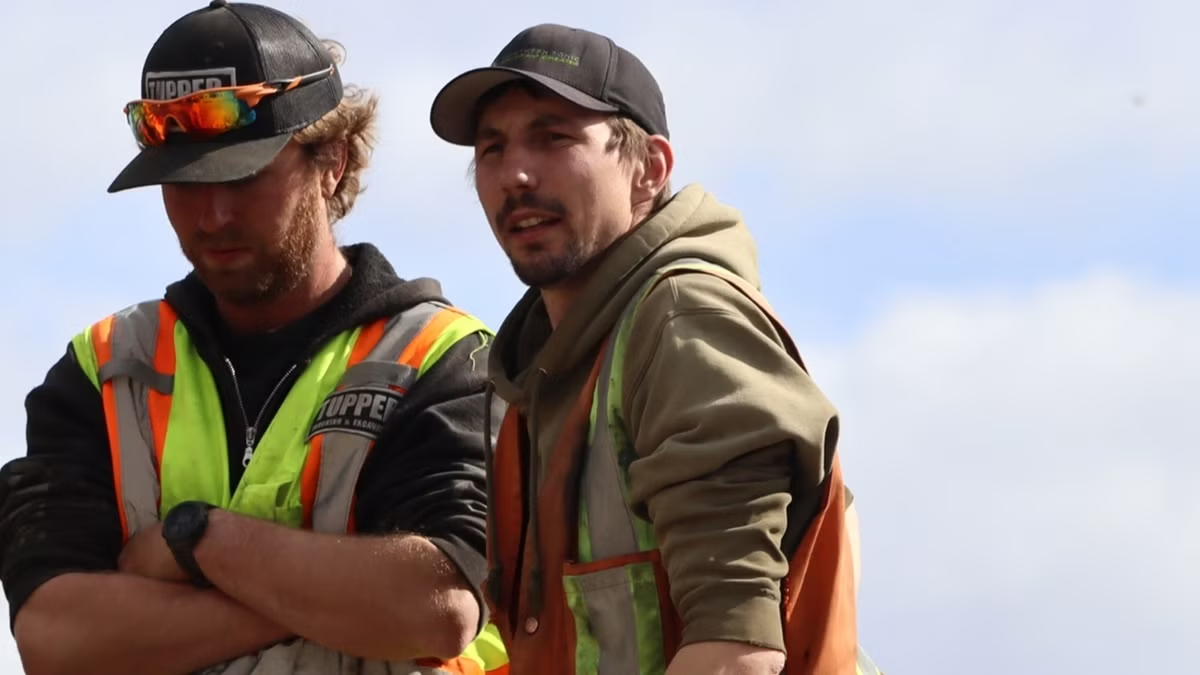
Season 16 of Gold Rush is shaping up to be one of the most ambitious and expensive in the show’s history, with Parker Schnabel taking risks that could either yield massive rewards or devastating losses. According to Parker himself, running his mining operation in the Yukon costs between $200,000 and $250,000 per day — a staggering sum that underscores both the scale of the project and the high stakes involved.
The High Cost of Machinery and Equipment
One of the biggest expenses comes from Parker’s massive fleet of equipment. This season, he is operating multiple wash plants simultaneously, including some of the largest models ever seen on the show. In addition to the wash plants, the team relies on excavators, trucks, dozers, and support machinery, all of which require enormous amounts of fuel, maintenance, and repair. A single mechanical breakdown can cost tens of thousands of dollars and halt production for hours or even days, putting pressure on the team to keep everything running flawlessly.
Labor: The Human Factor
Running a gold mining operation on this scale requires a highly skilled crew. Parker has expanded his team significantly this season to manage four plants and multiple mining sites. Labor costs include wages for equipment operators, mechanics, laborers, and support staff, all of whom must be paid daily regardless of how much gold is extracted. For Parker, investing in skilled personnel is essential — a mistake in judgment or in operation can be far more expensive than the cost of hiring additional help.
Land, Permits, and Legal Costs
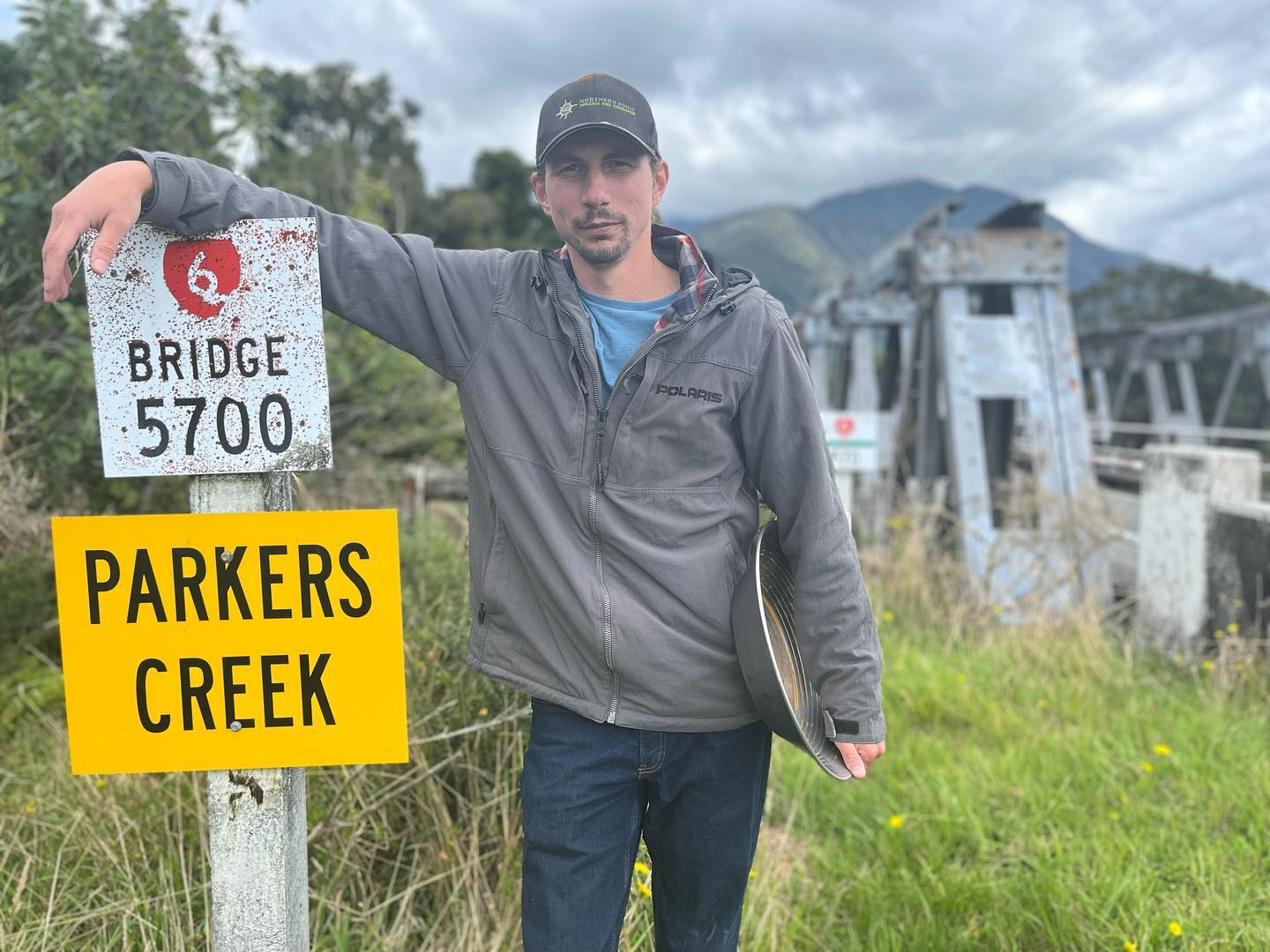
Access to rich gold-bearing sites is not free. Mining leases, water permits, and other legal requirements form a significant portion of Parker’s daily expenses. Negotiating these rights can be both time-consuming and costly, but without them, the operation cannot legally proceed. Parker’s willingness to spend heavily on land and permits demonstrates his commitment to long-term success, even if it increases short-term financial pressure.
The Pressure to Perform
The enormous daily expenses create an intense pressure to extract enough gold to stay profitable. With gold prices hovering around $1,950 per ounce, Parker and his crew must recover hundreds of ounces of gold per day just to break even. Every mishap — whether it’s equipment failure, unexpected flooding, or human error — can instantly eat into profits. This combination of financial pressure and operational risk adds a dramatic tension to the show that fans have come to expect.
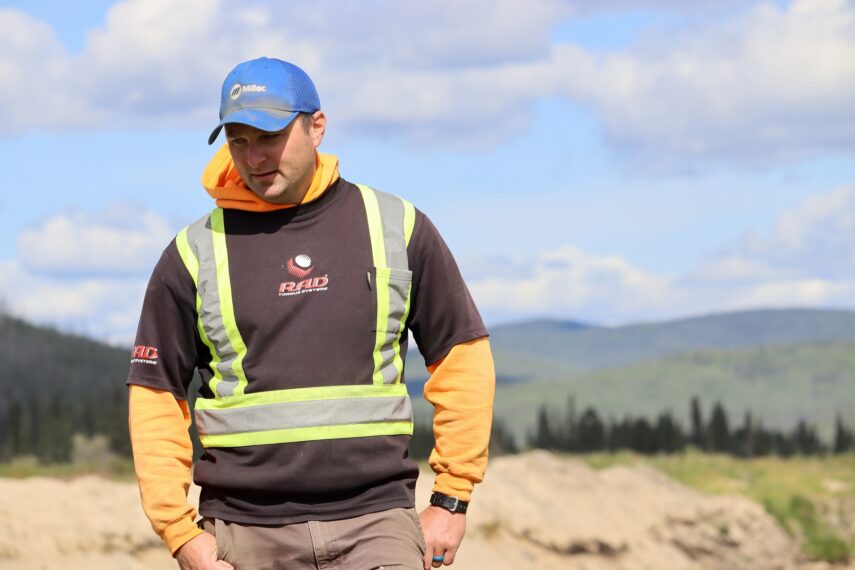
Parker himself acknowledges that the high costs are part of the thrill. “If you don’t spend big, you don’t earn big,” he says. The gamble is clear: with the right strategy, the team could make tens of millions of dollars over the course of the season. But one major setback could turn a profitable day into a financial disaster.
What This Means for Season 16
Season 16 is not just about finding gold; it’s about managing one of the most expensive mining operations ever featured on television. From fuel costs and machinery maintenance to labor and legal fees, Parker’s team faces enormous challenges before a single ounce of gold can be sold. The high daily expenses amplify both the stakes and the excitement, as every decision could mean the difference between huge profit and catastrophic loss.
Fans watching this season get a rare glimpse into the true scale of modern gold mining: it’s not just about shovels and pickaxes. It’s about logistics, finance, and the ability to manage massive machinery and personnel under extreme conditions. Parker Schnabel’s $250,000-a-day gamble is a reminder that in the world of Gold Rush, gold comes at a very high price — and the line between victory and failure is razor-thin.
