
As Discovery Channel’s Gold Rush enters its 16th season, veteran miner Parker Schnabel is embarking on what could be his most daring venture yet, blending unprecedented ambition with eye-watering financial risks. With gold prices surging to record highs—currently hovering around $3,500 per ounce—Schnabel’s operation in the remote Yukon wilderness is a high-wire act where every day could yield fortunes or spell disaster. Schnabel has openly shared that his daily operating costs now range from $200,000 to $250,000, a figure that includes a base expense of about $100,000 but balloons with the demands of equipment, fuel, staffing, and property management. This staggering outlay highlights the immense scale of modern industrial mining and the razor-thin margins that separate triumph from ruin in one of television’s most gripping reality series.
Schnabel, who rose to fame as a teenage prodigy filling his grandfather’s boots, has evolved into one of the Yukon’s most successful operators. But Season 16 represents a redemption arc following a disappointing previous year where he fell short of his targets for the first time in over a decade. “If you don’t spend big, you don’t earn big,” Schnabel has stated, emphasizing his strategy to “come out swinging” with maximum production efforts. This approach, however, comes at a premium, as the costs reflect not just the machinery and manpower but the relentless push to extract as much gold as possible from unproven ground amid fierce competition from rivals like Tony Beets and Rick Ness.
The Astronomical Cost of Heavy Machinery and Equipment
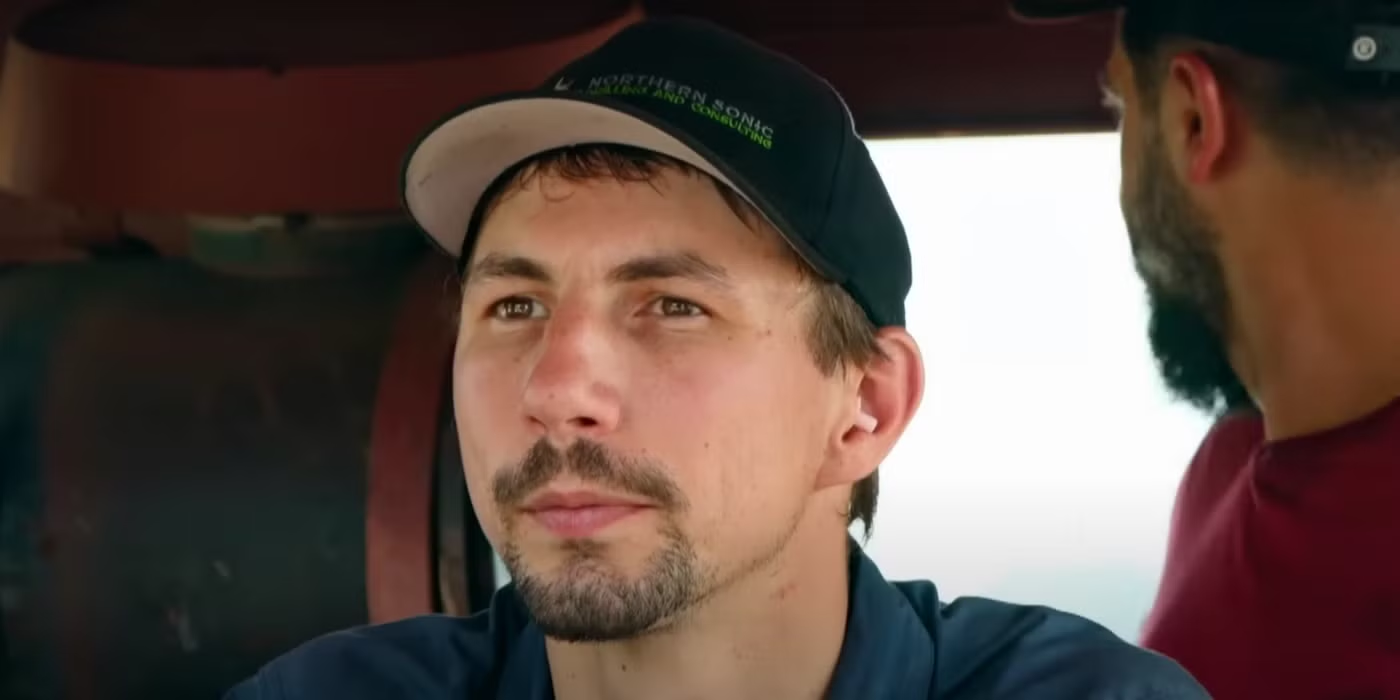
At the heart of Schnabel’s expenses lies his expansive fleet of heavy-duty equipment, which has grown to unprecedented levels this season. Operating multiple wash plants— including juggernauts like Sluicifer and Bob, alongside others at sites such as Dominion Creek and Sulfur Creek—requires constant uptime to process thousands of yards of pay dirt daily. These plants alone demand specialized components, from conveyor belts and trommels to pumps and screens, all sourced and maintained at premium prices in the isolated Yukon.
Beyond the wash plants, Schnabel’s arsenal includes massive excavators (like 700-ton models for digging cuts), articulated rock trucks for hauling material, bulldozers for site preparation, and loaders for feeding the plants. Fuel consumption is a major culprit here; estimates from industry insiders suggest that fuel can account for up to a third of daily costs, with tanks guzzling thousands of gallons per shift. Maintenance and repairs add another layer of expense— a single breakdown, such as a hydraulic failure or track damage, can run into the tens of thousands, not including lost production time. In episodes this season, viewers have already witnessed tense moments where equipment issues, like flooded cuts or jammed conveyors, threaten to derail operations, underscoring how these mechanical behemoths are both assets and liabilities in the harsh northern environment.
Schnabel’s investment in cutting-edge technology, such as advanced monitoring systems to optimize efficiency, further inflates the bill. Yet, he views these expenditures as essential gambles: with gold at $3,500 an ounce, even a few extra ounces recovered per hour can justify the outlay, potentially turning a $250,000 day into a profitable one.
Labor Costs: Building and Sustaining a High-Performance Crew
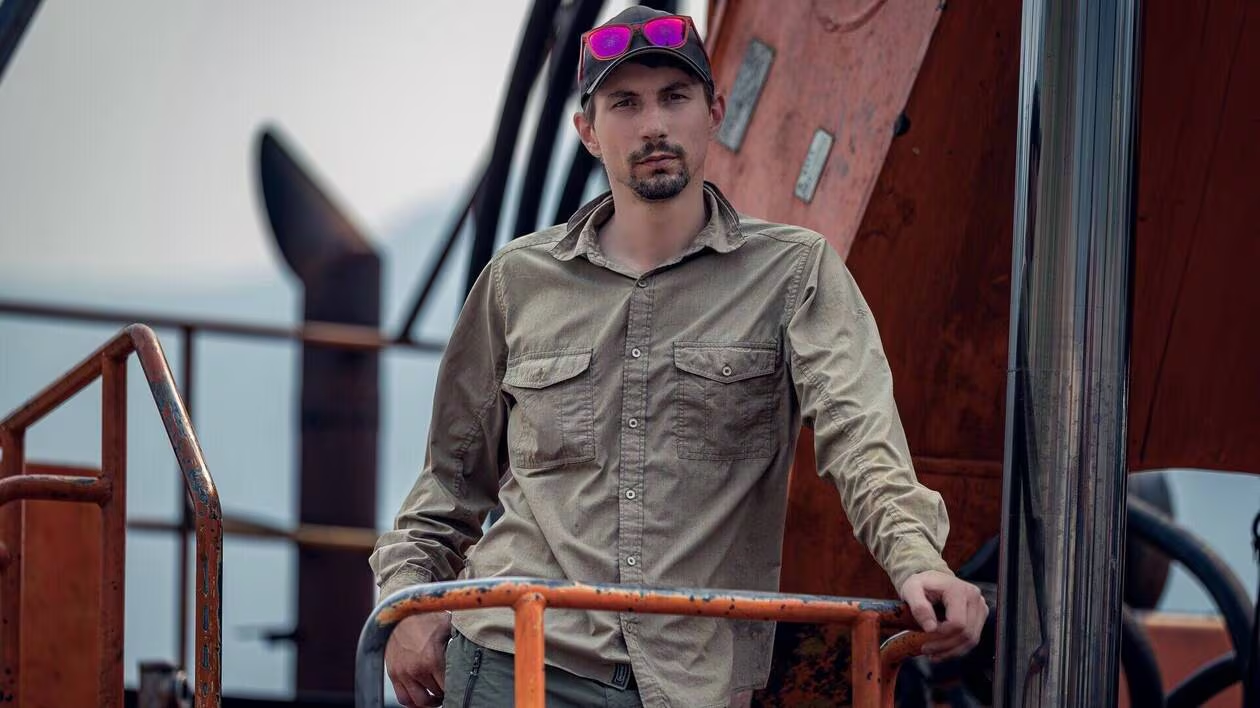
No mining operation succeeds without a dedicated team, and Schnabel has scaled his crew to match the season’s ambitions, managing four wash plants across multiple sites. This expansion means higher labor costs, encompassing competitive wages for skilled operators, mechanics, foremen, and support staff. In the Yukon, where living conditions are rugged and shifts can stretch 12-14 hours in sub-zero temperatures, attracting top talent requires premium pay—often supplemented by bonuses tied to gold output.
Key figures like foreman Tyson Lee and veterans Mitch Blaschke and Brennan Ruault command salaries reflecting their expertise, while rookies like Michael Thompson and Amy Lee add to the payroll as they train on the job. Beyond wages, expenses include housing in remote camps, meals, transportation, and safety gear. Health and safety compliance, mandated by Canadian regulations, adds costs for training, insurance, and medical support. Schnabel emphasizes the “human factor” as critical: “A mistake can be far more expensive than hiring extra help,” he notes, highlighting how crew errors—like improper equipment handling—can lead to costly downtime or accidents.
This season’s narrative has already showcased the crew’s dynamics, with Schnabel delegating more authority to test leadership potential. The pressure on personnel is immense; with daily costs mounting, every team member must perform flawlessly to keep the gold flowing and justify the investment in human capital.
Navigating Land, Permits, and Legal Hurdles
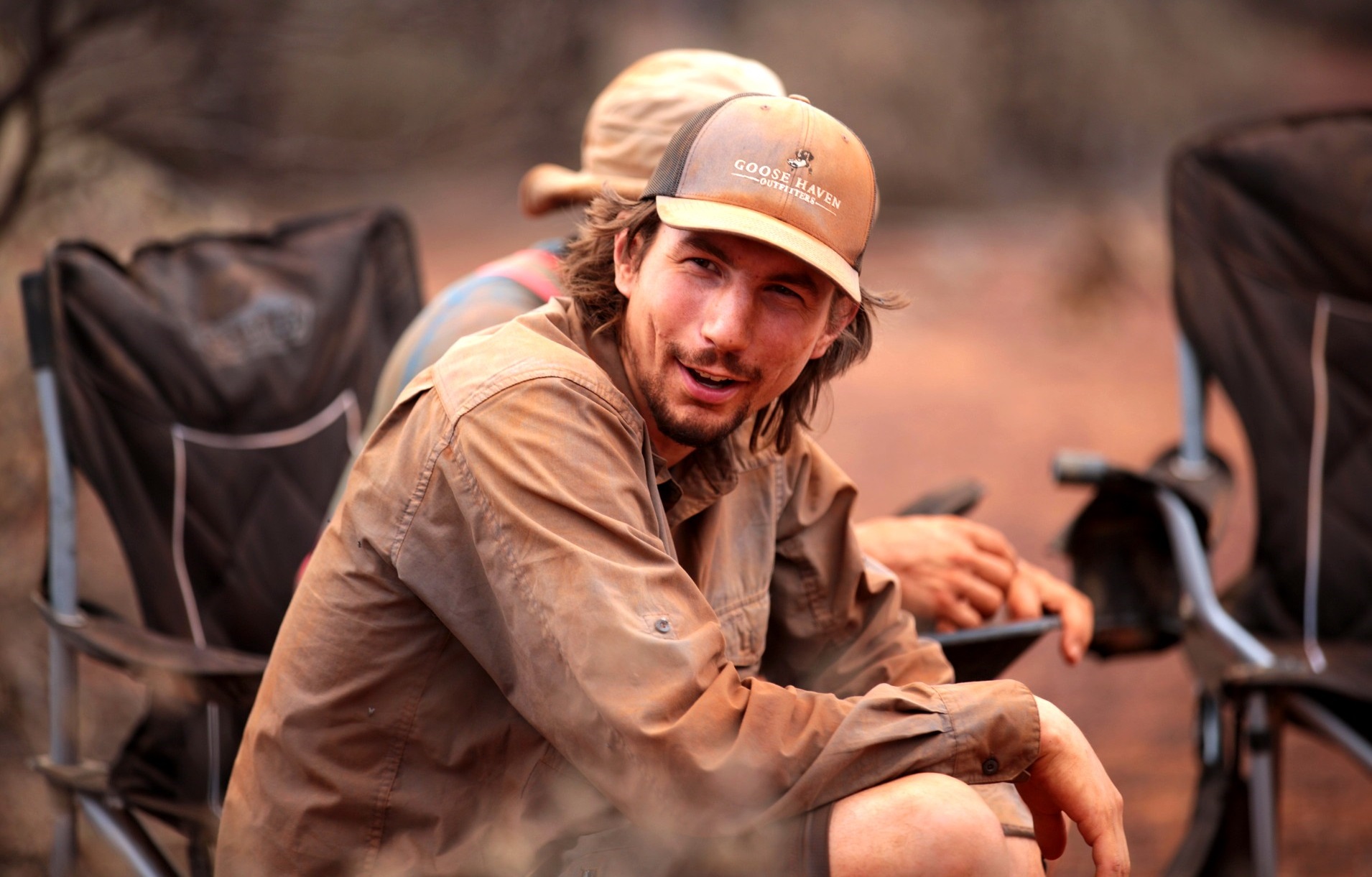
Securing the right ground is another massive expense in Schnabel’s ledger. This year, he’s expanded to new claims like Lightning Creek and Dominion, involving hefty lease payments and royalties—often in the form of gold ounces—to landowners. Permits for water usage, environmental impact, and mining activities require extensive legal work, environmental assessments, and compliance fees, which can total hundreds of thousands annually.
The permitting process in the Yukon is notoriously bureaucratic, demanding detailed plans, reclamation bonds, and ongoing monitoring to avoid fines or shutdowns. Schnabel’s team invests in consultants and lawyers to navigate these, ensuring operations remain legal amid growing scrutiny on environmental sustainability. Property costs also include infrastructure like roads, bridges, and drainage systems, as seen in recent episodes where flooding necessitated emergency culvert installations. These upfront and ongoing expenses demonstrate Schnabel’s long-term vision, but they amplify short-term financial strain, especially if ground underperforms.
The Intense Pressure to Deliver Results
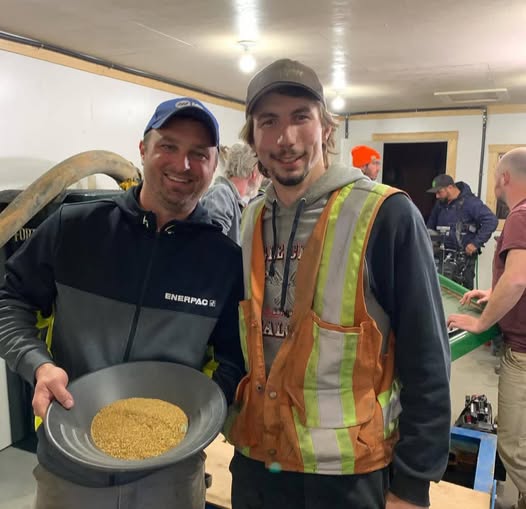
With costs at $200,000-$250,000 daily, the imperative to produce is unrelenting. Schnabel’s goal for Season 16 is a staggering 10,000 ounces—potentially worth $35 million at current prices—but early hauls have been modest, with only about 700 ounces in the first weeks. Breaking even requires extracting hundreds of ounces daily, leaving little room for setbacks like weather delays, mechanical issues, or low-yield pay dirt.
The drama is palpable: episodes highlight tense weigh-ins where ounces translate directly to dollars, and mishaps—like truck flips or plant shutdowns—can erase profits in hours. Schnabel thrives on this adrenaline, but the risks are real; a failed season could mean millions in losses, jeopardizing future operations. Competitors like Beets, aiming for 6,500 ounces, add to the rivalry, pushing Schnabel to innovate and spend aggressively.
Implications for Season 16 and the Future of Gold Mining
Season 16 isn’t merely a treasure hunt; it’s a masterclass in high-stakes business management under extreme conditions. Viewers witness the logistics of fueling massive machines, coordinating crews in isolation, and balancing environmental compliance with profit motives—all while the camera captures raw emotions of triumph and frustration.
Schnabel’s $250,000-a-day gamble epitomizes Gold Rush‘s evolution from small-scale panning to industrial-scale extraction. As gold prices climb amid global economic uncertainties, the show offers insights into resource economics, but it also raises questions about sustainability and the human cost of pursuit. For Schnabel, success could mean reclaiming his top-dog status and reaping tens of millions; failure, however, could be a sobering reminder that in the Yukon, nature and numbers hold the final say.
As the season unfolds, fans are glued to the screen, rooting for Schnabel’s crew to strike it rich. In the world of Gold Rush, where shovels have given way to spreadsheets and satellites, Parker’s bold bets keep the adventure alive—and the costs climbing.
