
In the rugged wilderness of the Klondike, where Discovery Channel’s Gold Rush chronicles the high-stakes battles of miners against nature, machinery, and Lady Luck, the drama doesn’t end with the final weigh-in. While the show spotlights the grueling extraction process, viewers often wonder: What becomes of the glittering haul once it’s pulled from the earth? From raw nuggets to reinvested fortunes, the journey of Gold Rush gold reveals a strategic world of sales, stockpiles, and savvy business moves amid soaring market prices.
From Paydirt to Profit: The Post-Mining Pipeline
Once miners strike gold—literally—they embark on a meticulous process to convert it into cash. The ore is cleaned, weighed, and securely stored before hitting the market. Though methods vary among crews, the endgame is universal: turning dusty paydirt into sustainable wealth. In an industry fraught with equipment failures, harsh weather, and financial pitfalls, efficient sales are key to survival and growth.
With gold prices hitting record highs amid economic uncertainty and inflation fears, Gold Rush stars are poised to capitalize. This surge could transform their operations, offering a “golden opportunity” for profits that extend far beyond the Yukon.

Parker Schnabel: Reinvestment Kingpin
At just 30, Parker Schnabel stands as one of the show’s most triumphant figures, amassing millions through sheer grit and smart strategy. Rather than pocketing his earnings, Schnabel funnels the bulk back into his empire. He sells to refineries or private buyers, using proceeds to upgrade equipment, hire personnel, and snag prime land leases.
Schnabel’s expansionist mindset has taken him global, from the Klondike to ventures in Papua New Guinea. “By continuously reinvesting, Parker ensures his operation remains sustainable and profitable for the long term,” notes an industry observer familiar with his tactics.
Breaking from bulk sales, Schnabel has partnered with artist and jeweler Bruce Schindler to craft high-end items, like a custom gold ashtray for friend Chris Doumitt. This artisanal pivot sidesteps hefty wholesale fees—often 1% per transaction—that eat into profits on thousands of ounces. By diversifying, Schnabel maximizes value from his hard-won gold.
Tony Beets: The Strategic Hoarder
Veteran miner Tony Beets, the “Viking” of the Yukon with his fleet of massive dredges, plays a longer game. Known for bold risks, Beets stockpiles his gold, biding time for peak market prices before selling. This holding strategy grants flexibility in an unpredictable commodity market.
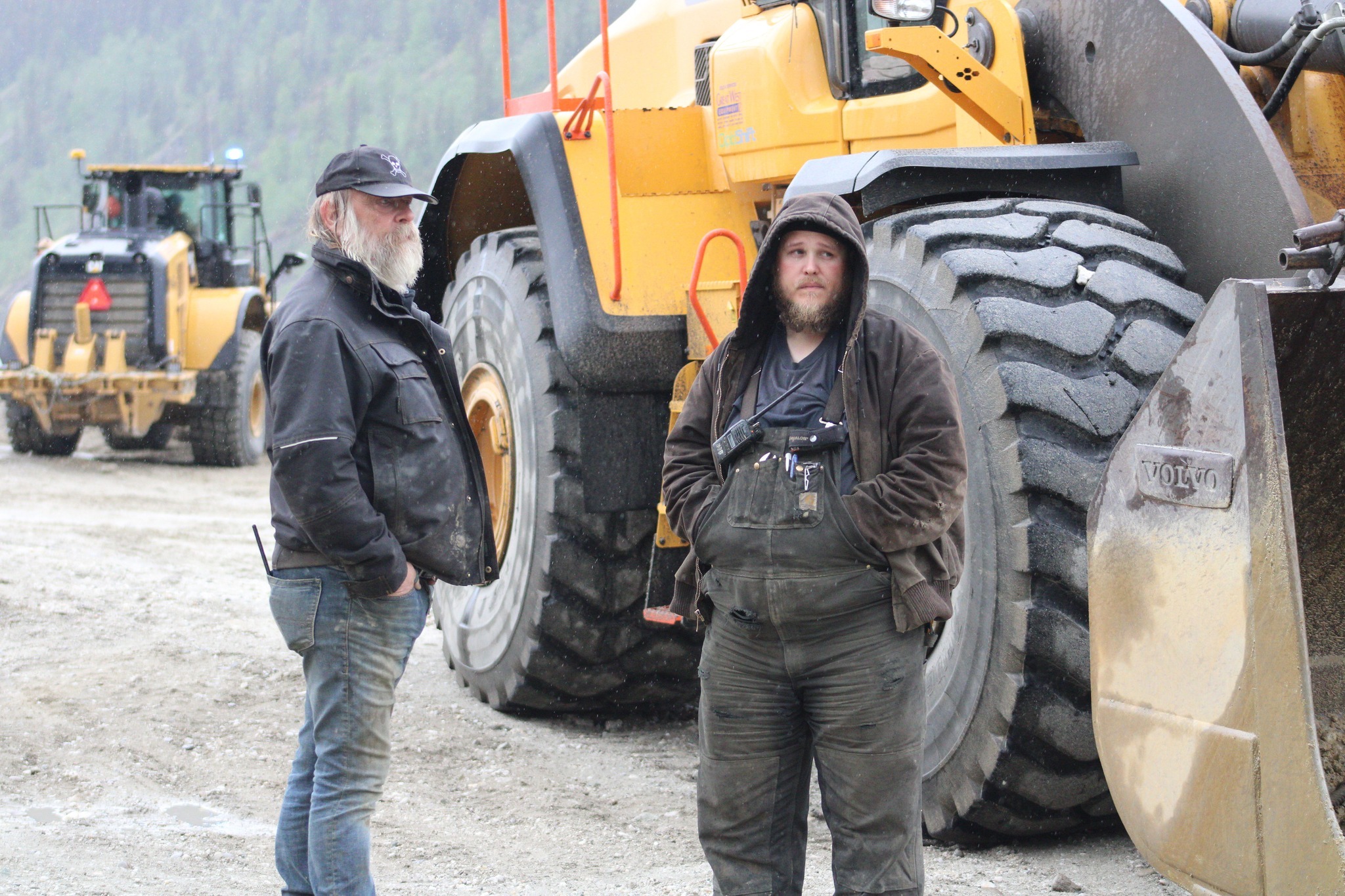
Beets invests heavily in reviving old claims and restoring dredges, viewing them as cost-efficient for large-scale output despite steep upfront costs. His approach sustains operations through tough seasons, turning accumulated wealth into enduring infrastructure. As gold values climb, Beets’ reserves position him for potentially massive windfalls.
Rick Ness: Navigating the Financial Tightrope
For Rick Ness, mining is a rollercoaster of triumphs and trials. Successes yield major paydays, but breakdowns, bad weather, and inefficiencies often force quick sales to settle debts, pay crews, and gear up for the next season.
Ness’s story underscores the precarious balance many independent miners face. While he lacks the luxury of hoarding like Beets or aggressive expansion like Schnabel, his resilience keeps him in the game. Immediate sales ensure liquidity, allowing him to rebound from lows and chase the next big strike.
Beyond the Mine: Gold’s Global Odyssey

Once sold, Gold Rush gold disperses into the broader economy. Refineries melt it into bars for investors hedging against inflation or central bank reserves. Private buyers might fashion it into luxury jewelry, while industrial demand funnels it into electronics—where gold’s conductivity powers circuit boards in smartphones, medical devices, and aerospace tech.
This versatility highlights gold’s integral role in modern life, far removed from the show’s dramatic digs. Yet, selling isn’t without hurdles: Volatile prices demand perfect timing, refining and transport fees cut margins, and taxes loom large. Holding gold risks market dips, and finding trustworthy buyers is crucial to avoid scams in a fraud-prone industry.
A Golden Horizon Amid Record Prices
As gold surges to unprecedented levels, driven by global instability, Gold Rush miners like Schnabel, Beets, and Ness face pivotal choices: sell now, hold for more, or reinvest boldly? Their strategies not only fuel personal empires but propel gold into the world’s veins—shaping economies, innovations, and everyday luxuries.
The Gold Rush saga proves that the real treasure lies not just in the ground, but in the shrewd hands that guide it onward. As cameras roll on, the metal’s journey endures, proving the Yukon rush is far from over.