Episode 4 of Oak Island Season 13 Uncovers Ancient Clues and Historic Military Relics


Season 13 of The Curse of Oak Island continues to captivate with its blend of high-tech drilling, archaeological digs, and historical revelations, as the Lagina brothers and their team delve deeper into the 230-year-old enigma. Episode 4, aired on November 28, 2025, stands out for its multifaceted discoveries across the Money Pit, the swamp, and Lot 5 – from potential Templar-linked artifacts to engineered structures and a tantalizing firearm fragment. These finds not only push the timeline back centuries before the 1795 Money Pit discovery but also weave a narrative of organized European activity on the island, possibly involving medieval groups like the Knights Templar.
Money Pit Drilling Validates Treasure Migration Theory
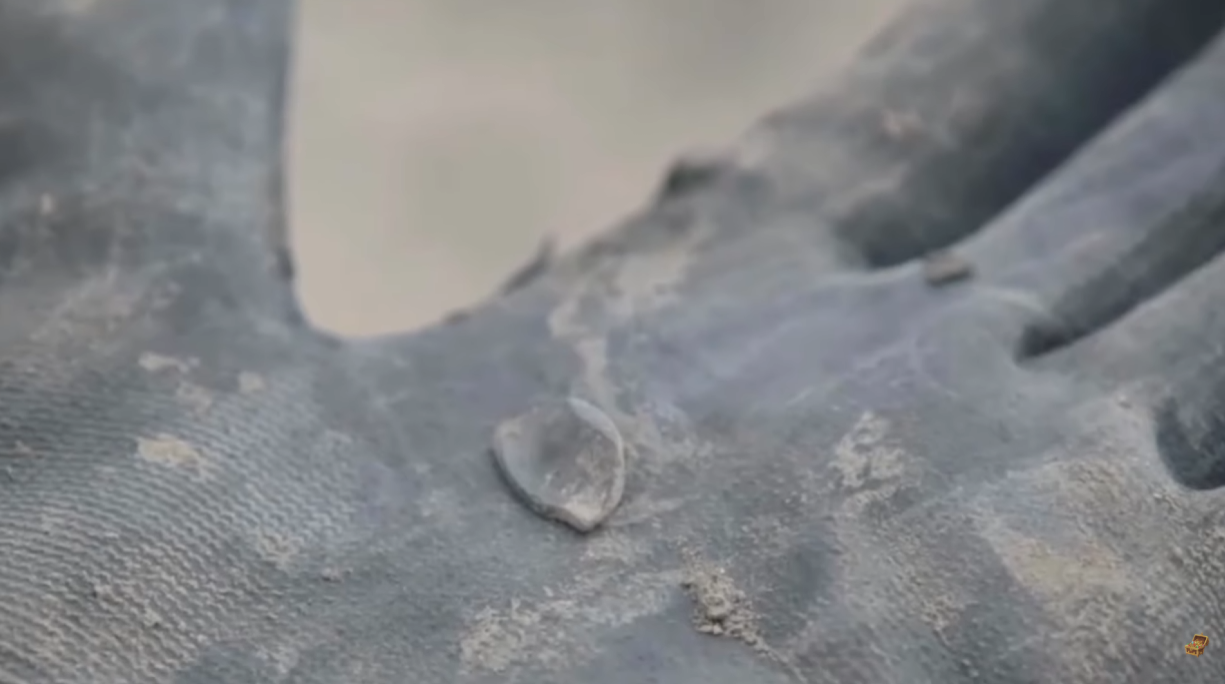
The episode’s core action unfolds at Borehole F5.5, strategically positioned just 7 feet from the gold- and silver-rich F4 site. Targeting the “solution channel” – a geological void theorized to have collected fallen treasures during historic collapses – the drill hits pay dirt with a dense metal fragment. Initial excitement over a possible coin gives way to revelation: It’s a carbide button from a prior drill bit.
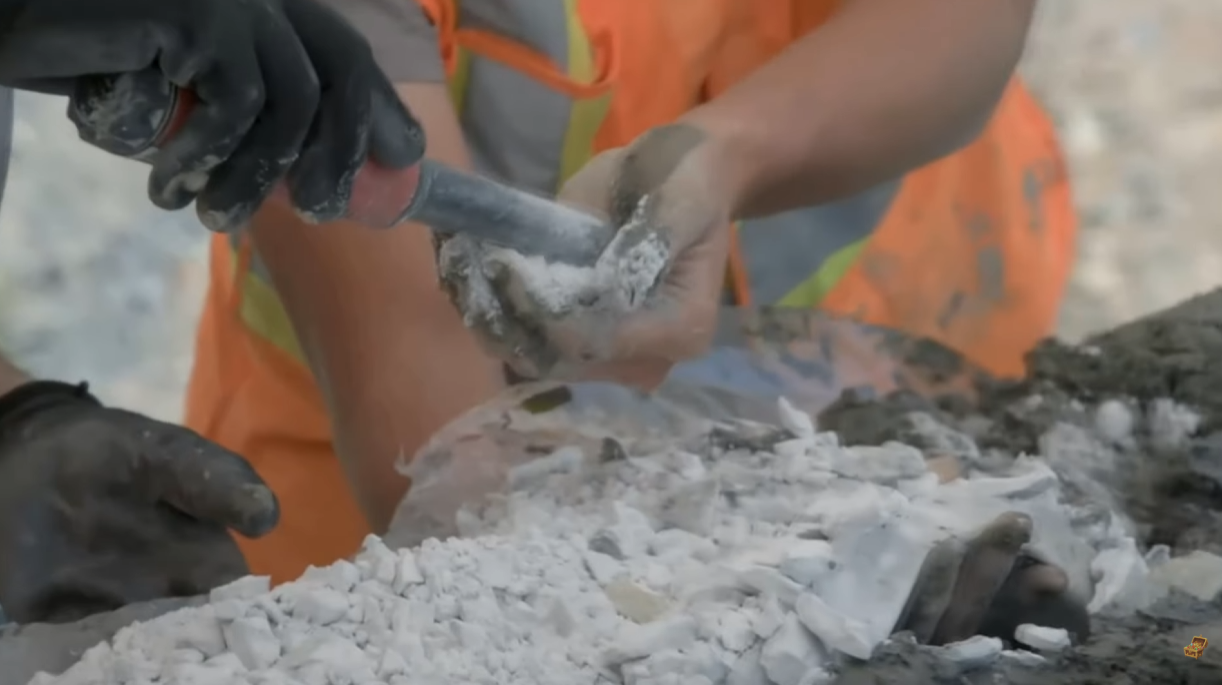
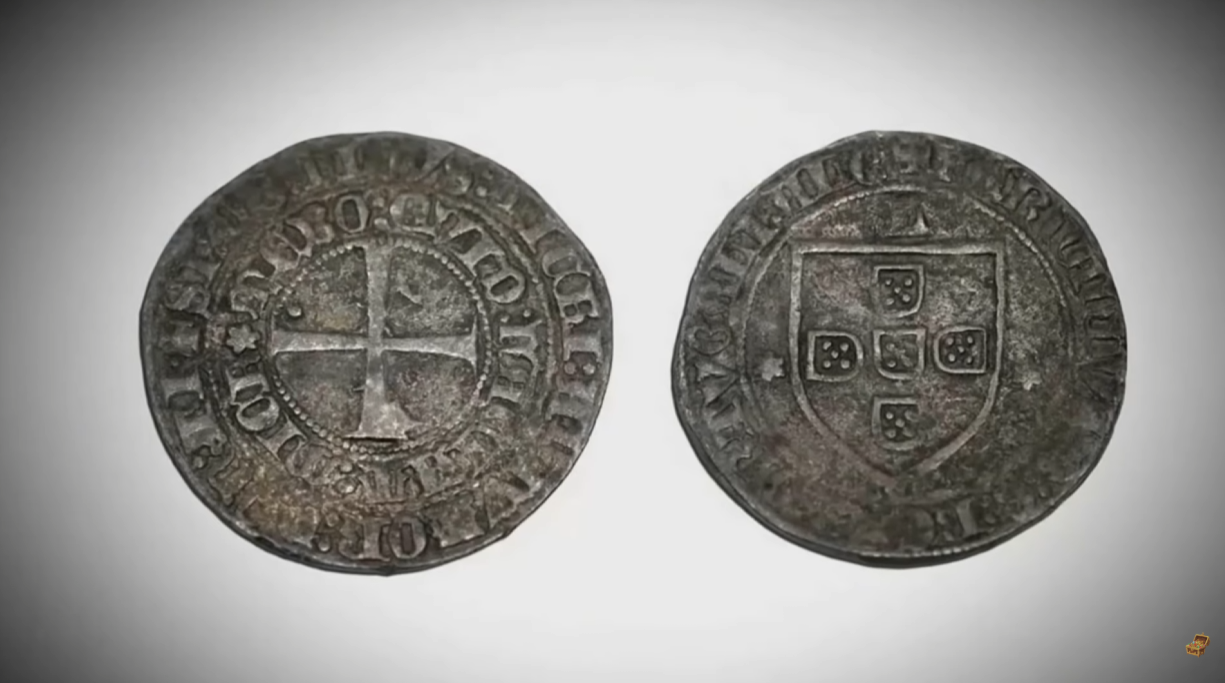
Far from a letdown, this confirms the team’s hypothesis. “Dense metal debris will travel downward through loose fill until it reaches the bedrock interface,” explains geologist Dr. Ian Spooner. Bolstered by recent links to a 14th-century Portuguese coin and isotopic matches to medieval southern France, the find strengthens beliefs in pre-1700s European deposits, potentially Templar-related. As Rick Lagina notes, it’s “the strongest physical validation yet” that treasures could have migrated into deep voids over centuries.
Swamp Yields Chaotic Stakes and Engineered Rock Features
Shifting westward in the swamp – an area less probed than the famed stone road – metal detectorist Gary Drayton, excavator Billy Gerhardt, and Rick Lagina uncover a dense cluster of wooden stakes in a 50×50-foot zone. Their erratic yet pristine arrangement baffles the team, with Billy spotting an unnatural sand layer beneath, hinting at human engineering.
The plot thickens with a stacked rock feature mirroring the stone road and paved areas from prior seasons. Spooner draws parallels to medieval constructions, suggesting the stakes guided stone placement. “This could be another medieval-period construction,” he posits. Charcoal resembling centuries-old samples from the stone road further ties features together, implying a unified historical event.
Environmental permits limit immediate digs, but the team gears up for northward expansion. If linked to Season 10’s vault structure, the swamp could reveal Oak Island’s architectural blueprint – a manipulated basin concealing secrets.
Lot 5 Delivers Pre-Money Pit Artifacts and Structural Puzzles
Lot 5, once shrugged off as farmland, reaffirms its hotspot status. Archaeometallurgist Emma Culligan analyzes a lead artifact via XRF, dating it to 1700 or earlier with no modern alloys – aligning isotopically with the medieval lead cross and barter token from 14th-century southern France. Laser ablation testing is underway to confirm Templar ties.
A fragmented iron piece, initially mistaken for horse tack, proves to be 1600s shears, their saltwater exposure and pre-blast-furnace composition indicating European presence a century pre-Money Pit. Rick and Gary then spot a circular stone feature with an upright slab – too deliberate for nature. Echoing other Lot 5 circles and nearby Roman coins, archaeologist Laird Nunn proposes bisecting it to uncover its purpose.
The swamp caps the episode dramatically: Gary pulls a heavy iron fragment, possibly from a 14th-16th-century petronel firearm used by cavalry. A CT scan pends, but if verified, it signals armed operations on the island – defending treasures or a secretive outpost.
Converging Clues Point to Multi-Layered History
Episode 4 weaves disparate threads into a cohesive tapestry: Geological proofs in the Money Pit, engineered anomalies in the swamp, and Old World artifacts on Lot 5. Separated by eras – from Roman coins to 17th-century tools – they suggest repeated visits, not a singular event. The island emerges as an “engineered environment,” potentially a medieval hub altered for protection or navigation.
Geographic links amplify this: Lot 5’s medieval leads connect to Smith’s Cove crosses; swamp cobbles point toward the Money Pit. A potential firearm adds security implications, hinting at guarded, high-stakes activity.
As the series shifts from “what’s buried” to “who was here and why,” Episode 4 edges closer to answers. Could Oak Island have been a Templar outpost, Portuguese station, or multi-cultural waypoint? With converging evidence, the Laginas’ quest feels tantalizingly near a breakthrough, transforming the island from curiosity to historical convergence point. Fans await Episode 5 for more on these unfolding layers.