Oak Island Season 13 Uncovers Buried Clues Pointing to a 500-Year-Old Treasure Trail


OAK ISLAND, Nova Scotia — For over a decade, the Lagina brothers and their team on The Curse of Oak Island have battled mud, myths, and mysteries in pursuit of the island’s elusive treasure. But in the latest episode of Season 13, titled “Keep on Rockin’,” the fog of speculation appears to be lifting, revealing hard evidence that could rewrite North American history. A 500-year-old artifact from the swamp, a mysterious stone structure on Lot 5, and whispers of a 16th-century hand cannon have thrust the search into a new era—one predating pirates and pointing toward European explorers from the age of conquest.
The episode’s bombshell comes from the triangular swamp, long a wildcard in the Oak Island saga. Described as potentially man-made or even a hidden harbor for Spanish galleons, the swamp has now yielded a find dated to at least 500 years old—pushing the timeline back to around 1525. “This predates the Money Pit’s discovery in 1795 by nearly 300 years,” said team member Rick Lagina in a preview clip. “It’s not the history we were taught in school.”
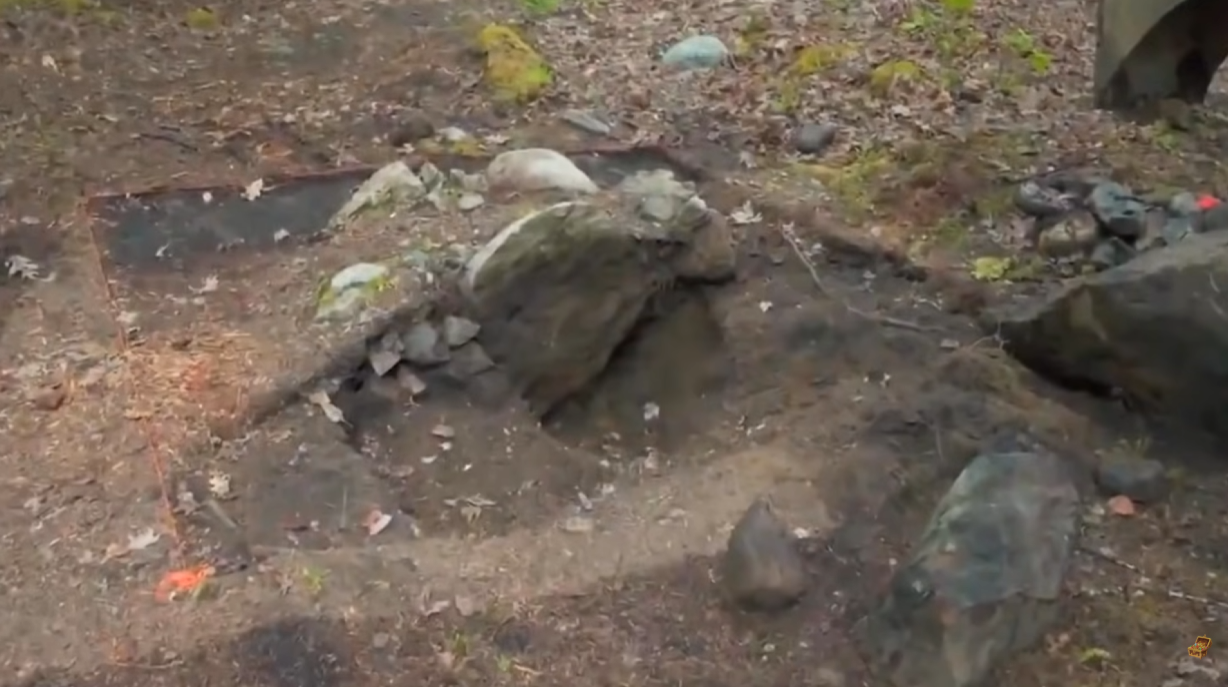
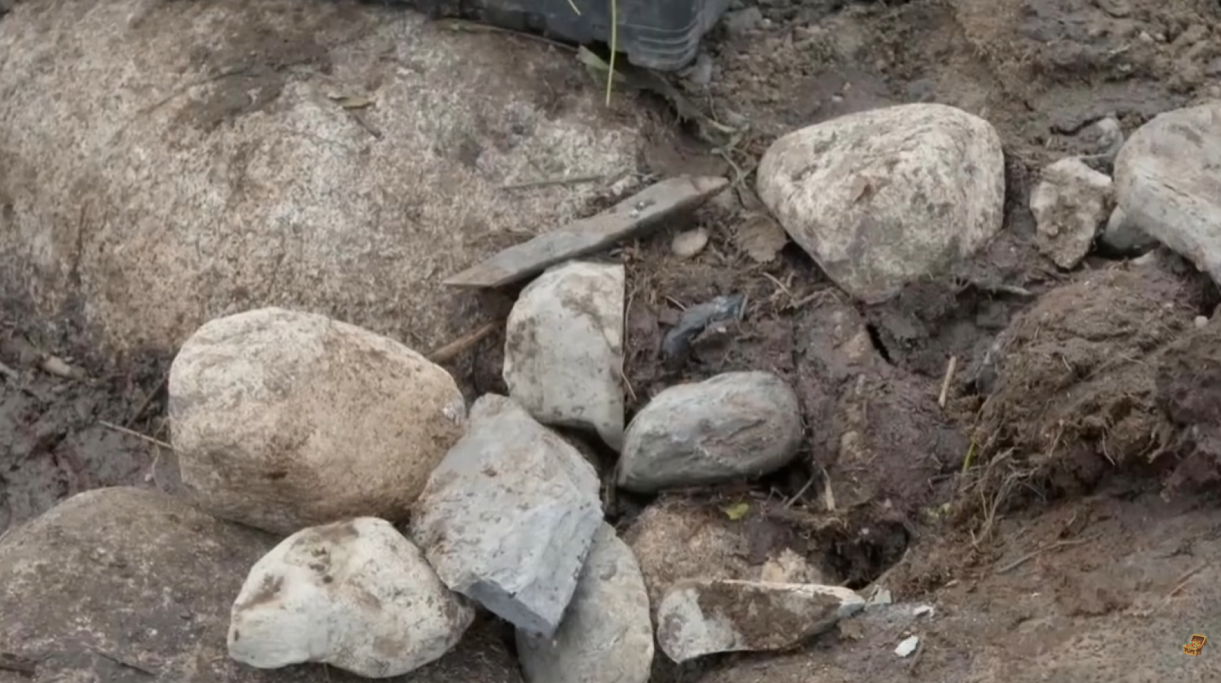
This dating aligns with theories involving Spanish conquistadors, Portuguese explorers like the Corte-Real brothers, or early French expeditions. If confirmed through carbon dating of organic material or worked timber, it suggests a sustained European presence on the island centuries before colonial settlements. “Whatever happened here wasn’t a quick bury-and-leave by pirates like Captain Kidd,” noted archaeologist Dr. Aaron Taylor during the episode. “This points to large-scale engineering by a naval power or an organized group, possibly Templar remnants.”
Adding to the intrigue, the team uncovered another man-made stone structure on Lot 5, a property once owned by Samuel Ball, the former enslaved man who mysteriously amassed wealth in the 18th century. “We’ve got the stone structure here. Somebody piled those stones,” a team member exclaimed in the preview. “Somebody went to some trouble.” Speculation runs wild: Could it be a foundation for a habitation or fortification? A navigational marker akin to Nolan’s Cross? Or even a cap concealing a shaft or tunnel? In Oak Island’s context, such structures rarely prove mundane—they often hint at defense, industry, or concealment.
The episode’s most explosive revelation? A potential 16th-century hand cannon. “It could be a 1500s hand cannon. They were right here,” declared a team expert, referring to a primitive firearm from the era of metal tubes ignited by slow matches. Predominantly used by soldiers, not farmers, this artifact implies military activity, conflict, or protection of high-value assets. Metallurgical analysis could pinpoint its origin—Portuguese, Spanish, or English—further tying into the swamp’s timeline. “This changes the genre from treasure hunt to military investigation,” said Marty Lagina. “Peasants didn’t carry hand cannons; soldiers did.”
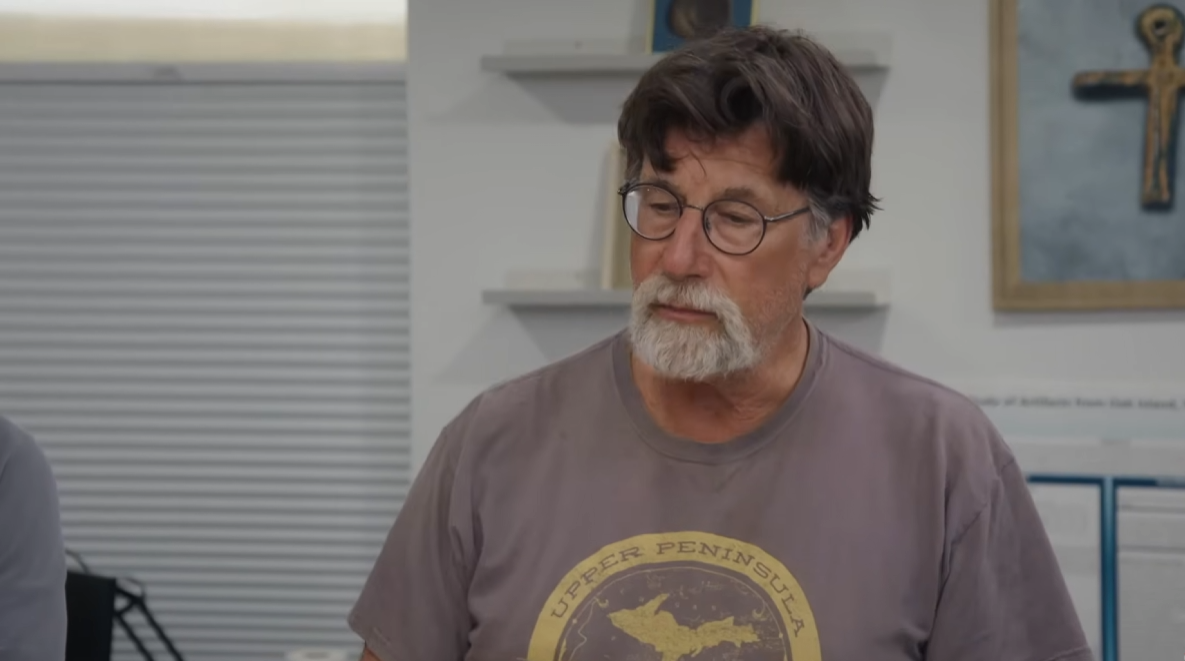
As the evidence triangulates—the swamp’s ancient dates, Lot 5’s architecture, and the weapon’s military implications—the team dubbed the area “treasure central.” Hints of “old gold and silver” in previews suggest water samples or boreholes are showing traces of precious metals, potentially linking artifacts to the fabled vault. “This is the neighborhood, guys. I mean, this is treasure central,” enthused one team member, signaling a convergence of anomalies that could finally mark the spot.
The findings breathe new life into long-debated theories. A 1525 date revives the Portuguese Order of Christ narrative, successors to the Knights Templar, who were active in the North Atlantic. The hand cannon adds a darker layer to the “seven must die” legend, framing the Money Pit as a desperate, booby-trapped defense built under duress. Skeptics’ claims of colonial farming fade against evidence of a “clandestine military-grade logistical hub,” with stone roads possibly designed for artillery and bullion chests.
As the Laginas transition from speculation to forensic excavation, Episode 5 feels pivotal. Next steps include immediate testing on the hand cannon fragment—lead isotope analysis could match it to 1500s Spanish mines, blowing the mystery wide open. “The curse is finally breaking under the weight of undeniable physical history,” reflected Rick Lagina. With heavy equipment churning earth and stones exposed after centuries, Oak Island’s secrets are no longer just legends—they’re a 500-year-old crime scene waiting to be solved.
Viewers can catch “Keep on Rockin'” on the History Channel, where the momentum is high, and the rocks keep revealing Oak Island’s rocky past. As the narrator might intone: Could it be that the island’s treasures are finally within reach? Only time—and more digging—will tell.