Deadliest Catch: Inside the High-Risk, High-Reward World of America’s Most Extreme Fishermen


Being a crab fisherman on Deadliest Catch is one of the most dangerous jobs on television — and in real life. The frigid waters of the Bering Sea, unpredictable weather, heavy machinery and relentless pressure to land a profitable catch push crews to the edge every season. But for those who survive the grind, the reward can sometimes be substantial.
Over the years, several cast members have spoken openly about how much they earn, shedding rare light on the financial realities behind the Discovery Channel hit.
How Much Do Crab Fishermen Really Make?
“It varies year to year,” Kenny Ripka told People in 2016. “We don’t get paid a wage or a salary. We get paid on what we catch and what we deliver.”
Like most commercial fishermen, Deadliest Catch crews earn according to a percentage-based “share system.” The more crab delivered to the docks, the higher the payday. But when the quota is low or weather conditions destroy the season, incomes can plummet.
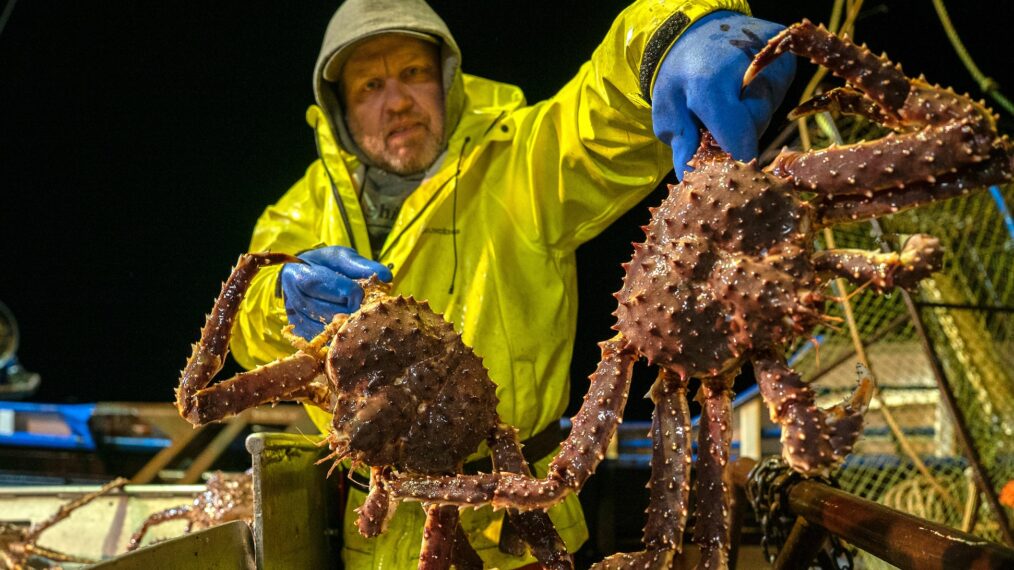
Kenny Ripka revealed that as a captain, he has earned “upwards of $150,000 to $170,000 a year” during strong seasons. Deckhands — often younger crew members learning the ropes — typically earn “from $15,000 to $50,000 for a couple months of work.”
Gary Ripka added that in 2016, his deckhands brought home around $30,000 for “five, six weeks” of fishing — a reminder that even short bursts of successful crabbing can deliver powerful paychecks.
But the extremes don’t end there.
Record-Breaking Earnings: Millions in Days
Jake Anderson shocked fans in a 2018 Fox Business interview when he revealed he had “grossed $2.5 million in 11 days” — an extraordinary windfall made possible only when crab stocks, quotas and market prices align perfectly. Josh Harris echoed similar experiences, saying that certain captains “can make $2 million in just two days” if conditions are ideal.
These upper-tier earnings represent the absolute best-case scenario — lightning-in-a-bottle seasons that come along rarely. But they fueled the legend of Bering Sea fishing as one of the highest-risk, highest-reward occupations in America.
What About Pay From the TV Show?

The stars earn more than just fishing revenue. Deadliest Catch captains are compensated per episode, with reports suggesting they receive between $25,000 and $50,000 each. For longtime cast members appearing in every episode of a season, this can significantly boost their annual income.
Deckhands earn far less from production, but visibility on the show often leads to sponsorship opportunities, speaking engagements, merchandise sales, and higher crew demand during the off-season.
A Job With No Guarantees — and No Retirement Plan
Despite the potential for extraordinary financial gain, the industry is notoriously unstable.
Sig Hansen has repeatedly emphasized that everything can change overnight. “We’ve had king crab season shut down for three, sometimes four years in a row,” he told Channel Guide. “And when your income relies on getting that boat out there, there is no retirement plan. You don’t know from one year to the next if you’re even going to go fishing to make a living.”
Fishermen also face life-altering injuries, brutal weather systems, capsizing risks and the relentless toll of exhaustion. Several Deadliest Catch stars have suffered serious health scares or medical emergencies while at sea, highlighting the harsh reality behind the dramatic footage.
The Real Cost of a Dangerous Life
While some captains occasionally strike it rich, most fishermen live with uncertainty every season. Income is never guaranteed. One storm, one shutdown, one equipment failure can wipe out an entire year’s income. And unlike other professions, there are no long-term safety nets — no pension plans, no guaranteed off-seasons, no fallback.
What keeps them going is the hope that the next trip, the next season or the next quota might deliver the windfall that makes the risk worth taking.
As Deadliest Catch prepares to launch its 21st season on Friday, August 1, the stakes remain as intense as ever. The Bering Sea is unforgiving — but for those willing to brave it, fortune and survival continue to hang in a fragile, perilous balance.