Oak Island Team Identifies New Priority Zone After Heat-Map Review Reveals Cluster of Old Artifacts


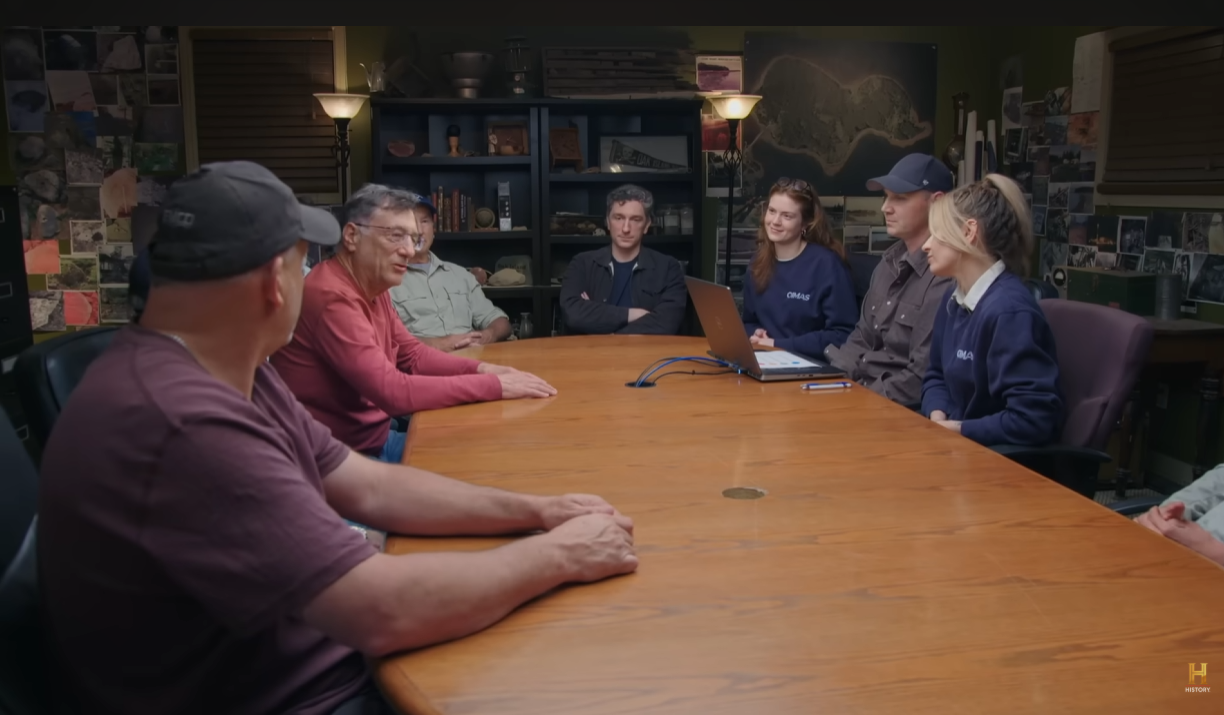
The search for answers on Oak Island has taken a significant new turn after the Fellowship of the Dig identified Lot 15 as a high-value target for renewed investigation. The development emerged during a strategic meeting in the war room, where Rick and Marty Lagina, alongside Craig Tester, reviewed a newly developed heat map designed to pinpoint the island’s oldest and most promising discoveries.
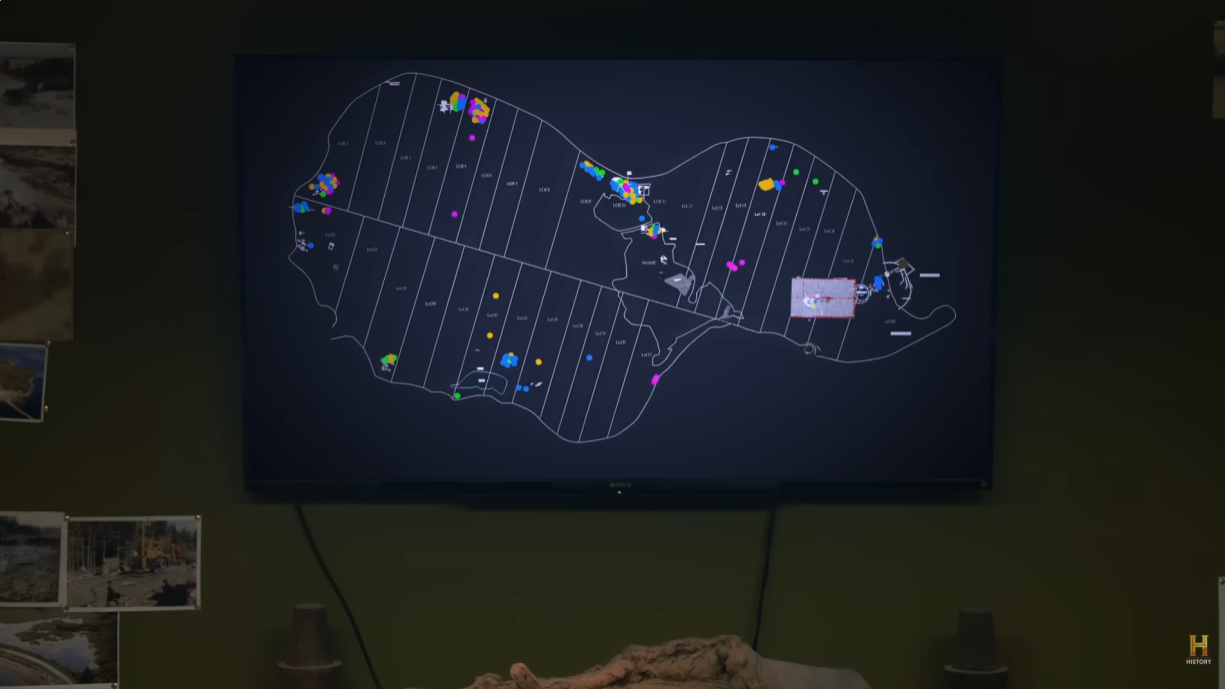
The heat map, prepared by Steve Guptill in collaboration with Emma Culligan and Jillian, categorised hundreds of artifacts by age. Pink markers represented items potentially predating 1725, while blue indicated modern searcher material. Shades of orange signalled mid-18th-century items that remained plausible evidence of early activity.
While the map confirmed long-recognised hot zones at Lot 5 and the Money Pit, it also highlighted a striking concentration of early finds on Lot 15. For the team, this cluster stood out as more than an anomaly. It suggested a pattern.
Lot 15, positioned roughly 200 yards northwest of the Money Pit, has already produced several unusual artifacts over the years: charcoal potentially dating to the 14th century, a Chinese coin believed to be over a thousand years old, and pre-17th-century cannon stoneshot originating from Portugal’s Azores Islands. Seeing these discoveries grouped together on a single visual map prompted immediate agreement around the table.
“We’ve barely touched the surface,” site operator Billy Gerhardt noted, observing the density of historic indicators. Marty Lagina concurred, while Rick emphasised the strategic logic: “You go back to where you have been successful before. It’s highly appropriate to start on Lot 15.”
Shortly after the meeting, Rick, Gary Drayton and Steve moved directly to the area, where Billy had used a two-and-a-half-ton tractor to plow the surface. The method, inspired by Gary’s experience metal-detecting on English farmland, aims to bring older items closer to the surface.
The approach produced immediate results. Early in the sweep, Gary recovered a piece of coal—an unexpected find in that location. The item may match coal previously discovered along the suspected Portuguese stone road in the swamp, prompting speculation about a possible link between the two areas.

Moments later, the team recovered what appeared to be a rosehead spike, identifiable by its faceted, hand-worked head. Common from the 1500s through the 18th century, rosehead spikes are among the oldest man-made items found on Oak Island and have surfaced both near the Money Pit and deep within its underground workings. Each documented example predates 1750.
“We could have a connection here between Lot 15 and the Money Pit,” Gary observed as the find was bagged and flagged for further analysis. Steve confirmed that the recovered spike would be added to the heat-map database.
The trio’s productive day continued with the discovery of a pintle, a forged iron fitting typically used as a hinge component on gates or doors. Gary noted the possibility that such hardware might also have been used in early mining operations to support lanterns or simple lighting systems during underground excavation.
Each artifact will undergo formal analysis by Emma in the research centre, where material composition and dating techniques will determine whether Lot 15 indeed holds evidence of early depositors or previously unknown activity.
For the team, the implications are clear. The heat map has shifted focus. The patterns are no longer confined to the island’s traditional centres of attention, and Lot 15, once a peripheral zone, is now firmly in the spotlight as the next chapter of Oak Island’s investigation begins.