Survey Line From Mysterious Stone May Point to Hidden Structures on Oak Island


Researchers on Canada’s Oak Island are examining a deliberately placed stone structure that may point to activity on the island hundreds—or even thousands—of years ago.
The discovery, made on Lot 5, centres on a split stone feature identified by metal detection expert Gary Drayton and later analysed using drone-based 3D modelling by archaeologist Laird Niven. According to the team, the stone was not naturally positioned but intentionally set into a dug hole and stabilised with surrounding rocks.
“This was placed,” said Laird. “A hole was dug, the stone was propped upright, and it was packed in with other rocks. That much is clear from the structure.”
Beneath the stone, investigators uncovered dark organic soil and a fragment of wood, now undergoing carbon-14 testing. The dating results are expected to play a key role in determining who may have constructed the feature and when.
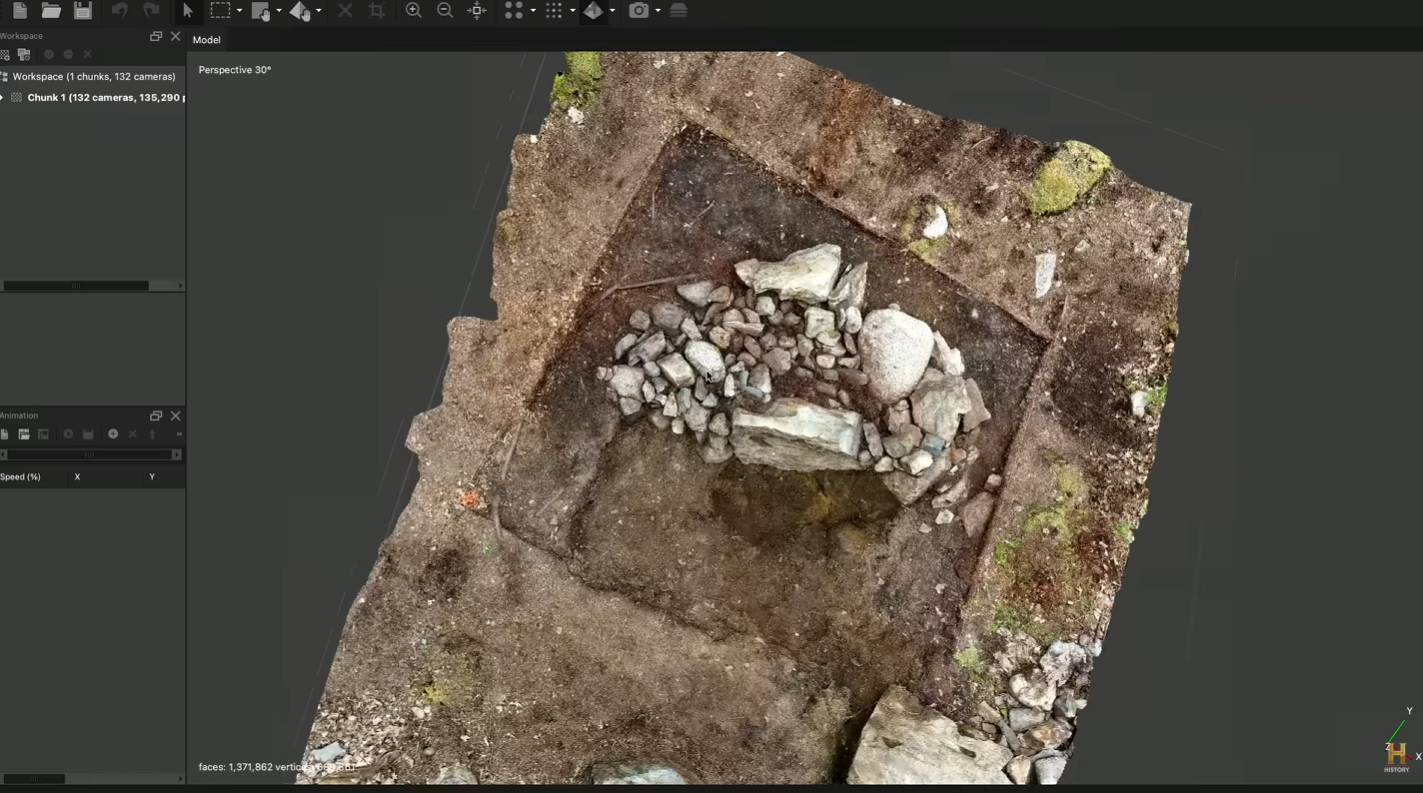
Surveyor Steve Guptill told the team that the structure does not resemble typical colonial-era markers. Instead, its design closely matches markers historically used by Roman and Viking cultures.
“These types of formations were used either to mark distance along roads or to claim land,” Guptill explained. “In Roman usage, they were territorial. Viking markers tended to signal presence—essentially saying, ‘We were here.’”
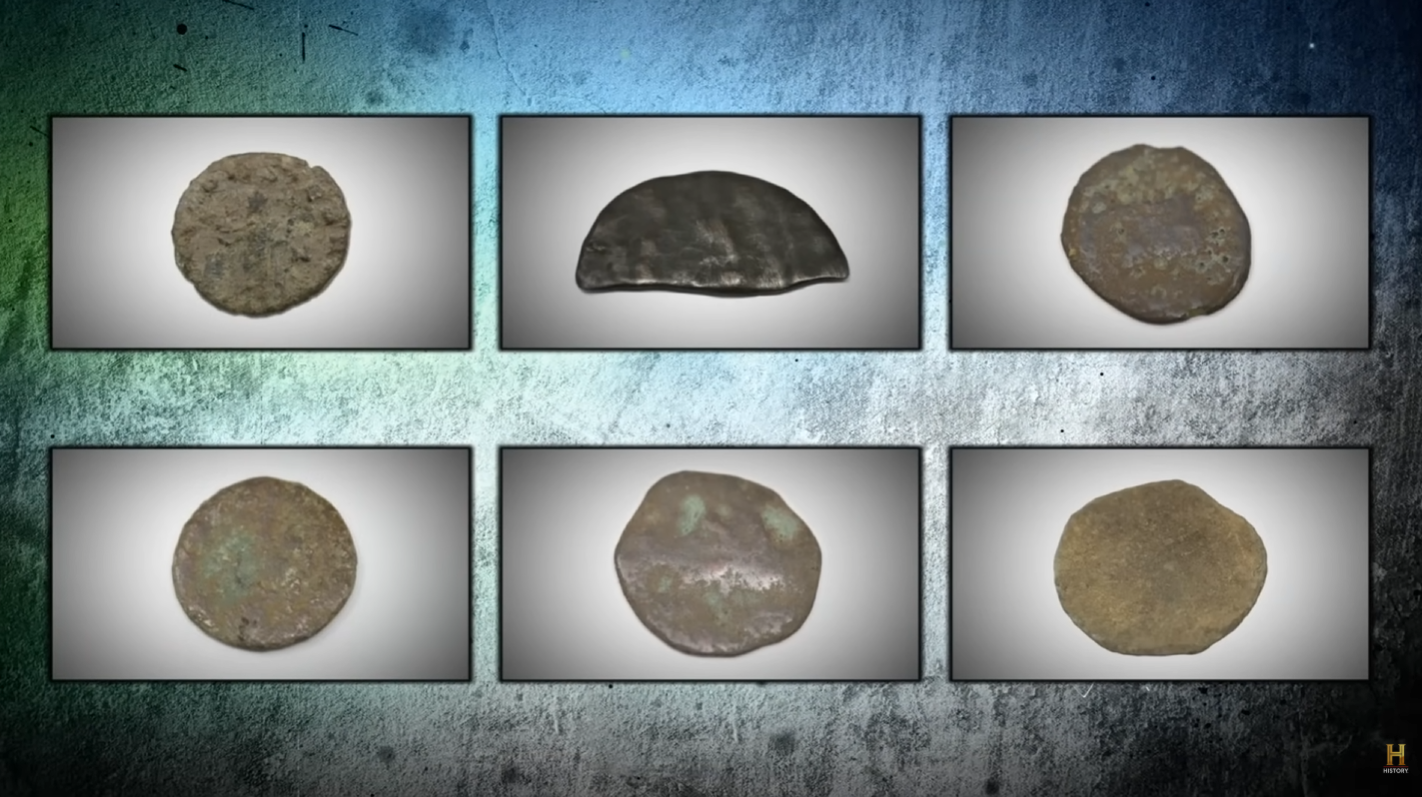
The find gains further significance due to the discovery of six Roman coins within a 250-foot radius of the stone. Similar coins have previously been linked to Viking settlement sites across Europe, including locations in Iceland visited by the Oak Island team during a 2023 research expedition.
While in Iceland, researchers examined Roman coins and carved stone crosses resembling symbols previously found at Oak Island, strengthening theories that Viking descendants and later groups such as the Knights Templar may have travelled widely across the North Atlantic.
Guptill noted that marker stones were typically placed within sight of one another. Using a total station surveying device, the team has now begun walking a precise southeast alignment from the Lot 5 stone to determine whether another marker—or a related feature—exists along the same line.
As the search continued, metal detection along the alignment produced a small iron strap with a square hole, potentially part of a barrel fitting. Such finds, while modest, are considered important indicators of past activity.
Rick Lagina said the discovery raises broader questions about how many similar structures may remain hidden on the island.
“How many things have we walked past without recognising them?” he asked. “This could be part of something much larger.”
Further investigation along the projected line is ongoing.