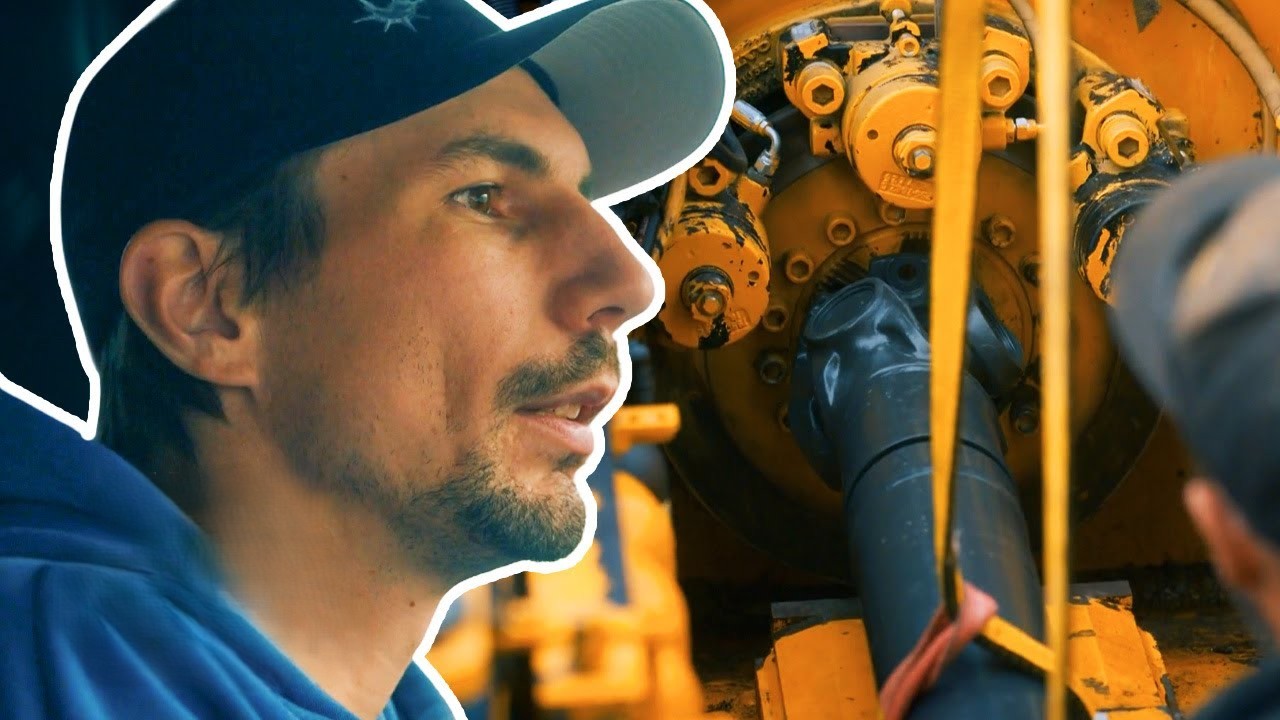
Parker Schnabel’s mining operation is facing increasing strain as persistent logistical problems and a major equipment breakdown threaten to derail production targets deep into the season.
After months of difficulty deciding where to position wash plants and hauling pay dirt over long distances, Schnabel admits the season has been defined by setbacks rather than momentum. Gold recovery has remained steady but well below expectations, forcing him to cut his overall target from 10,000 ounces to 8,000.
The immediate challenge is capacity. With only two wash plants currently running, output has fallen sharply. A third plant at Sulfur Creek was shut down after stockpiled pay dirt ran out, leaving the crew reliant on material from the long cut — an area that has delivered inconsistent results all season.
To maximise production with limited resources, foreman Mitch Blaschke turned to two Volvo A60 rock trucks capable of moving large volumes of material quickly. Together, the trucks can haul up to 600 yards of dirt an hour, making them central to keeping one remaining wash plant running around the clock.
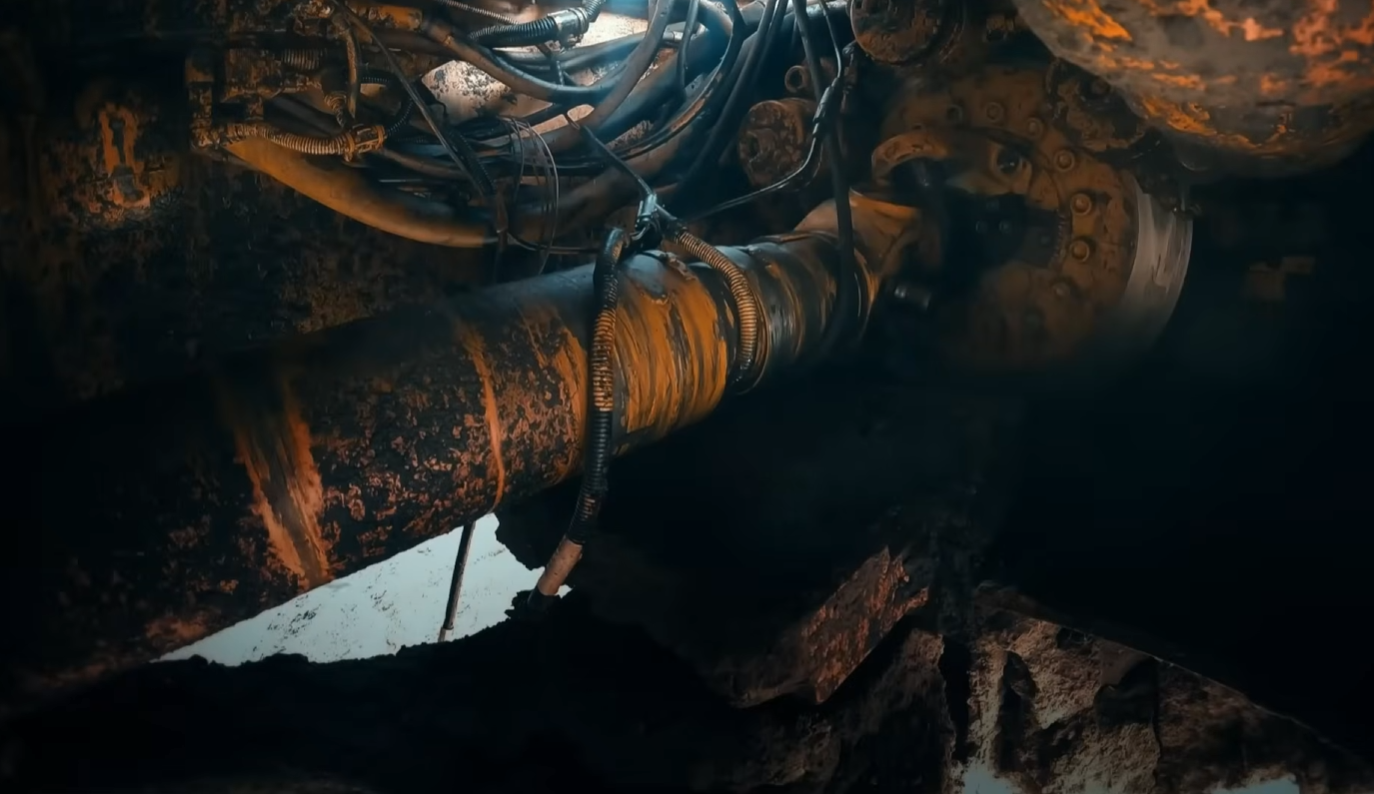
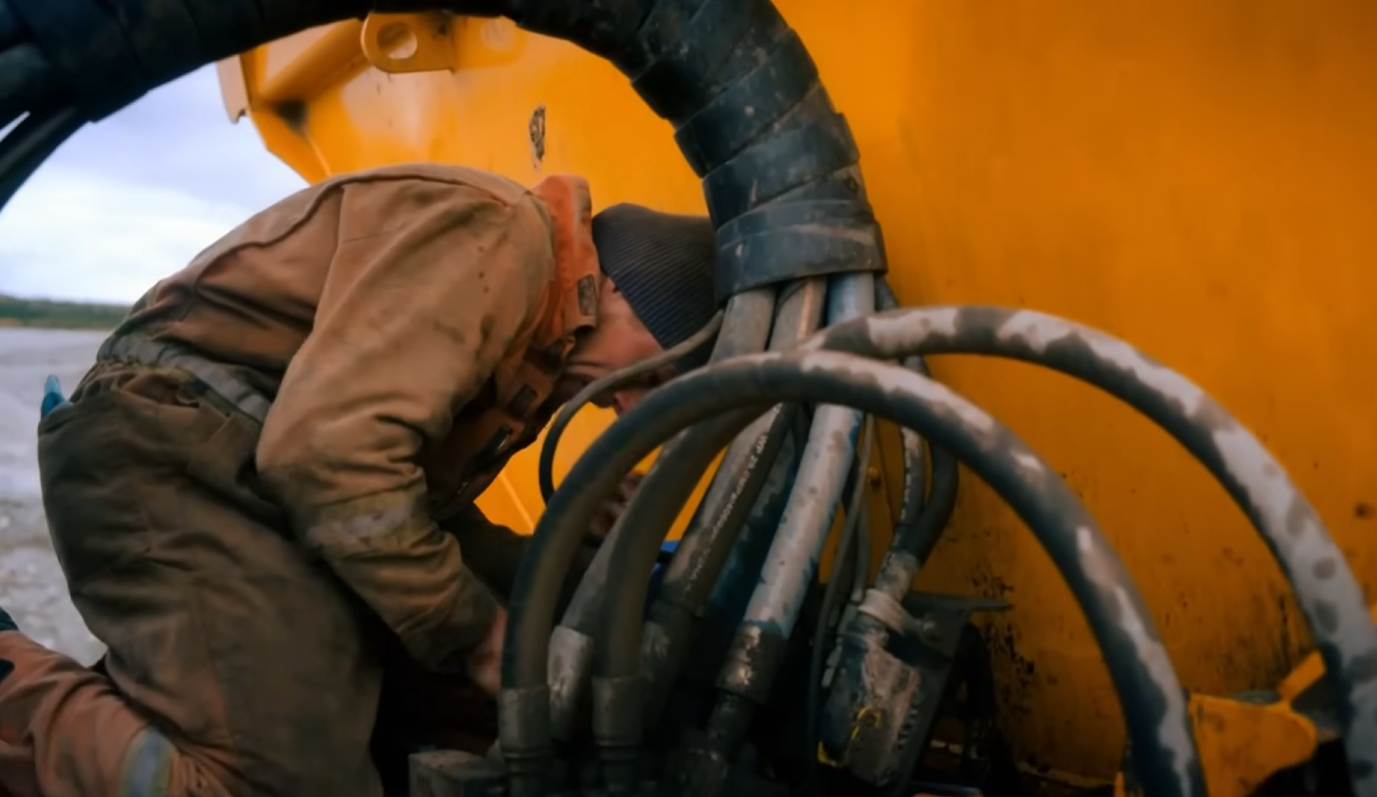
However, the strategy came under pressure when one of the A60s, operated by 22-year-old new hire James Curts, suffered a sudden mechanical failure while fully loaded. A cracked companion flange snapped, causing the driveshaft to tear through brake lines, hydraulic hoses and wiring, leaving the truck immobilised with 60 tons of pay dirt in the box.
“It’s probably the worst one I’ve seen,” said mechanic Taylor Matika, who assessed the damage on site. With the dump box disabled and the rear drive compromised, the crew faced the urgent task of making repairs in the cut before the truck could be moved.
Working against the clock, Matika and the team replaced destroyed brake lines, electrical harnesses and hydraulic hoses before installing a new driveshaft. Once the repairs allowed the box to function, the pay dirt was dumped and the truck was carefully driven back to the yard using front-wheel drive only.
After hours of intensive work, the A60 was returned to service, restoring critical hauling capacity. For Schnabel’s crew, the repair was a necessary boost at a time when there is little margin for error.
With limited manpower, reduced plant capacity and gold numbers still lagging, every machine remains vital. As the season progresses, keeping equipment running may prove just as important as finding richer ground.
