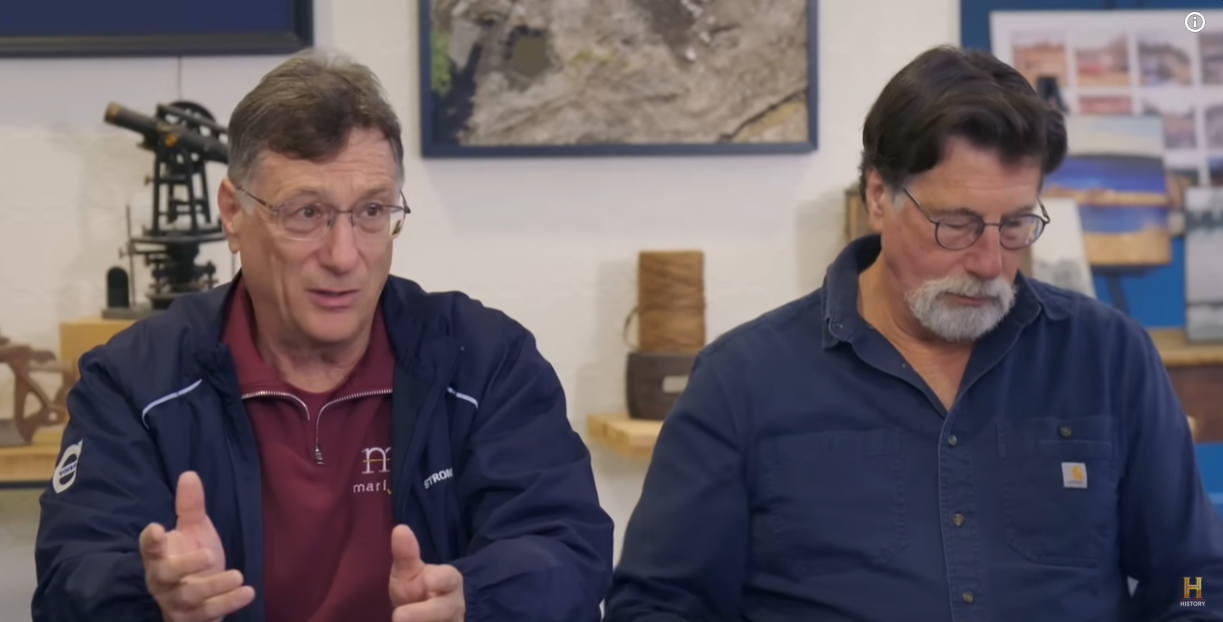
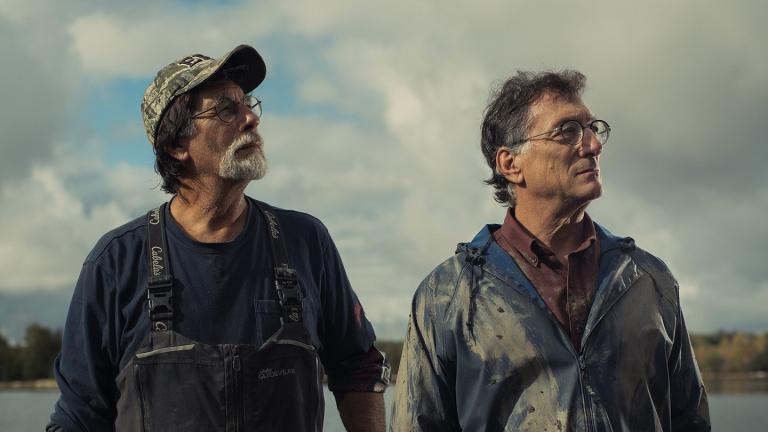
Veteran treasure hunter Marty Lagina, known for his decade-long pursuit of secrets on Oak Island, has encountered a dramatic twist in his latest quest: a search for a $140 million pirate hoard in Florida that may be derailed by a single ancient stone. Lagina, alongside co-host Matty Blake and a local team, targeted Anclote River Park in hopes of locating one of 11 caches attributed to French privateer Louis Aury, but the dig’s promising start gave way to legal uncertainty after discovering a Native American artifact.
The expedition, fueled by historical records and modern technology, centers on Aury’s legendary fortune—estimated at $140 million in today’s value—from his early 19th-century raids. Aury, active around 1817, reportedly enlisted indigenous allies to bury the gold in multiple sites along Florida’s Gulf Coast. “When you think about the numbers, the potential of this gold—$400 million in today’s currency—that is literally breathtaking,” Lagina said, underscoring the stakes.
Using ground-penetrating radar (GPR) surveys conducted by researcher Michael Gattuso, the team identified anomalies along an 18-foot circular perimeter derived from old maps and a Spanish well landmark. One shallow target, at five to six feet deep, emerged as the prime spot. “We rescan these, and if you can see, when we went around the 18 ft circle, we actually had strong possibilities,” Gattuso explained, highlighting hits within 10 feet but prioritizing accessibility.
Excavation yielded early intrigue: a rusted, hand-forged clenched nail dated to the late 1700s, fitting Aury’s era. Found in backfill soil, its origin remains unclear, but it hinted at period construction. Metal detectors signaled non-ferrous hits, raising hopes of gold.
Deeper digging revealed a vivid orange soil layer, identified by archaeologist Dr. Aaron Taylor as a key historical horizon. Sifting produced a worked piece of chert—a flint-like rock used by First Nations peoples for tools like arrowheads and knives. Buried over two feet deep, the artifact corroborated legends of Aury’s indigenous collaborators but triggered alarm: It could classify the site as protected under archaeological laws, halting the private hunt.
“The discovery of a First Nations artifact could spell disaster for their operation,” Taylor noted, emphasizing the need to report it. He contacted the Tampa History Center, shifting the endeavor from adventure to bureaucracy. The team, including local lead Joe Zigga, awaited a verdict that could end their efforts despite being “on the brink of something monumental.”
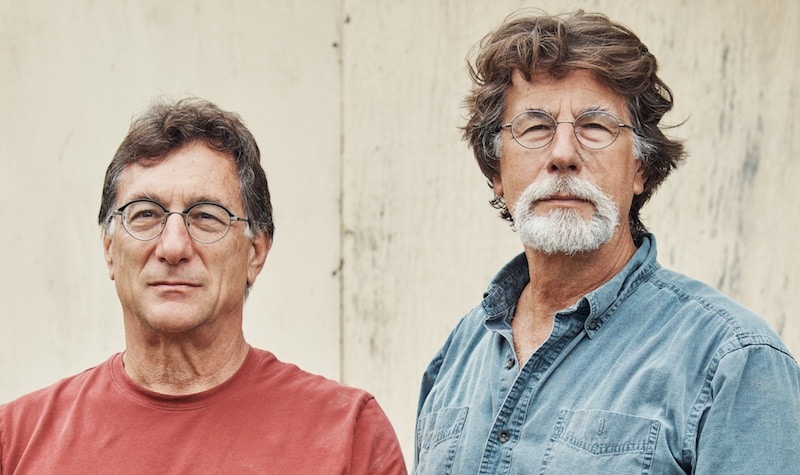
Lagina, embodying perseverance, stood resolute amid the tension. “This isn’t just a hunt for gold. It’s a race against time and history,” he reflected. The silence at the site, once buzzing with excitement, underscored the clash between treasure seeking and cultural preservation.
Experts weigh in cautiously. Dr. Elena Vasquez of Dalhousie University praised the methodological approach but warned of ethical implications: “Private hunts must respect indigenous heritage. This could be a site of broader historical value.”
As the team pauses, the fate of the dig—and potential millions—hangs in the balance. Lagina’s Florida foray, a departure from Oak Island’s enigmas, highlights the perils of unearthing the past.
