Lagina Brothers Enter Garden Shaft as Oak Island Team Closes in on Suspected 17th-Century Tunnel

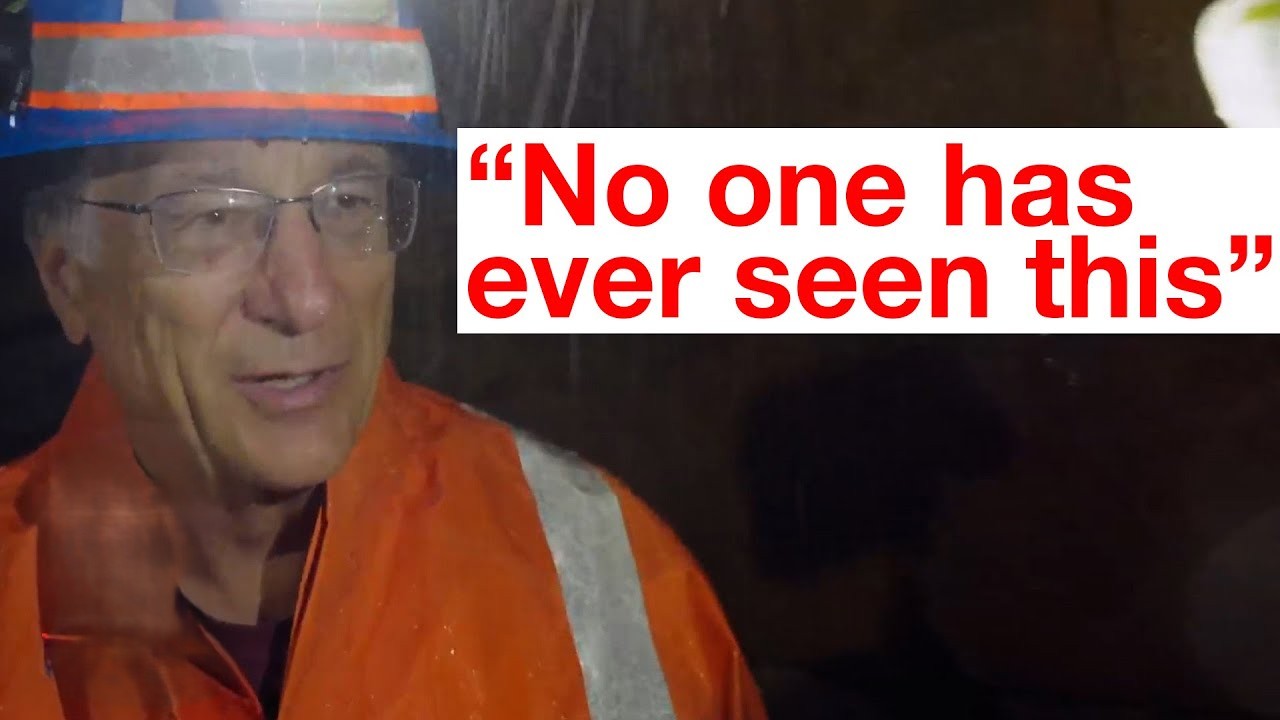
Brothers Rick Lagina and Marty Lagina have taken their first descent of the year into the Garden Shaft, marking a significant step in the team’s latest effort to unravel one of the island’s longest-running mysteries.
The mid-18th-century shaft, located in the Money Pit area, has recently been extended by representatives from Dumas Contracting Ltd, who have deepened the structure from 82 feet to 87 feet. The ultimate goal is to reach nearly 100 feet below the surface — a depth believed to intersect a previously unidentified tunnel running east to west beneath the island.
As the brothers prepared to descend, engineers briefed them on a growing challenge that has plagued Oak Island for more than two centuries: water infiltration. At roughly 60 feet below the surface, groundwater has begun seeping through a specific section of the shaft, creating a potential obstacle to further progress.
“This is the bad area,” one contractor explained, pointing to the section where water consistently enters along the shaft wall. While the flow is not undermining the structure, the team considers it critical to contain before advancing deeper.
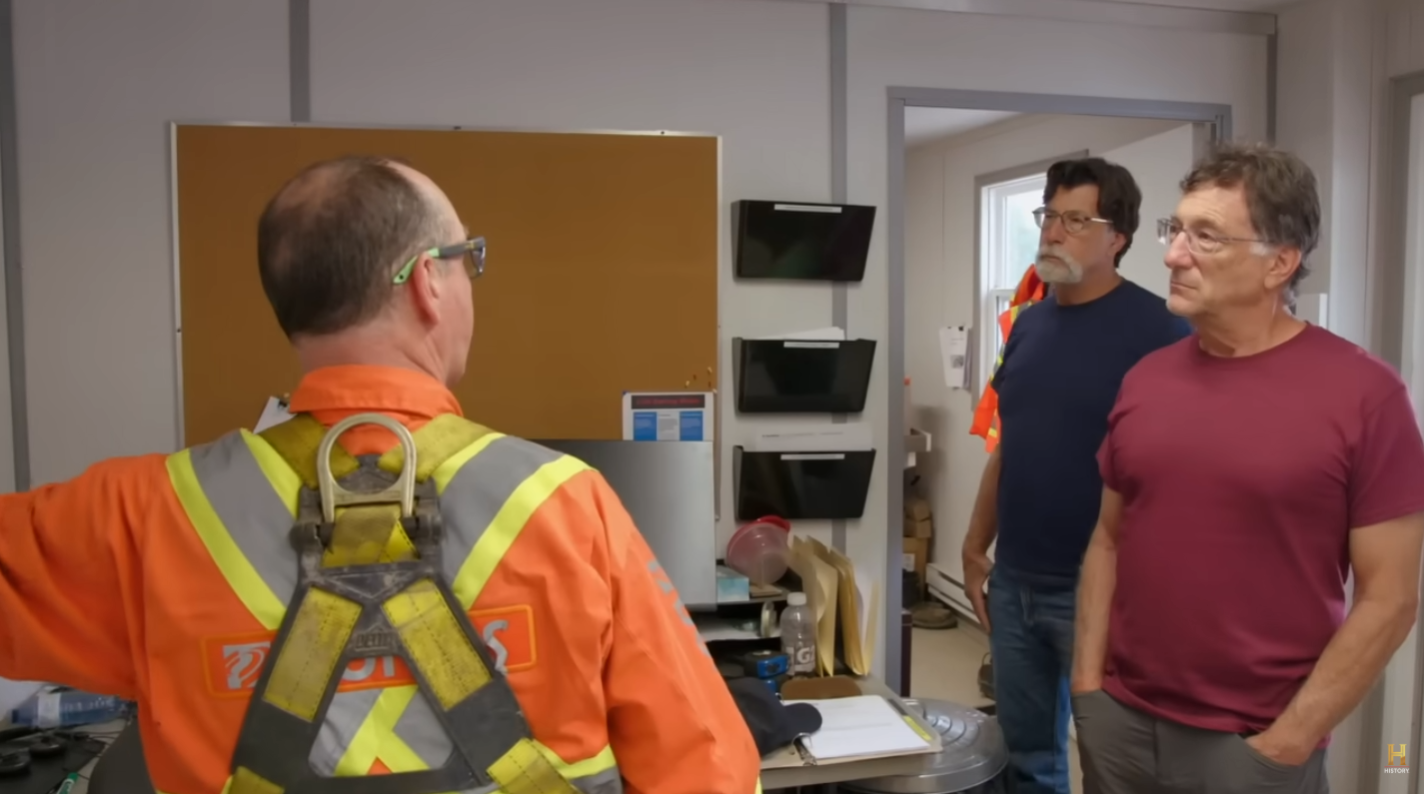
To address the issue, crews plan to drill multiple holes just above the affected section and inject fast-setting urethane grout under pressure. The expanding compound is designed to seal fractures in the surrounding ground and reduce or stop the water intrusion altogether — a modern response to a problem that has frustrated generations of treasure hunters.
Standing at 87 feet, Rick Lagina noted that the team is now several feet below where previous excavations ended last year. Just beneath them lies untouched ground — soil that, according to the engineers, “nobody else has ever seen.” More importantly, the suspected tunnel is believed to be only a few feet below their current position.
The tunnel was first identified through strategic core drilling and has been carbon-dated to as early as the 17th century. It appears to run toward the so-called “Baby Blob,” an area where unusually high concentrations of gold, silver, and other metals have been detected in groundwater samples between 80 and 100 feet deep.
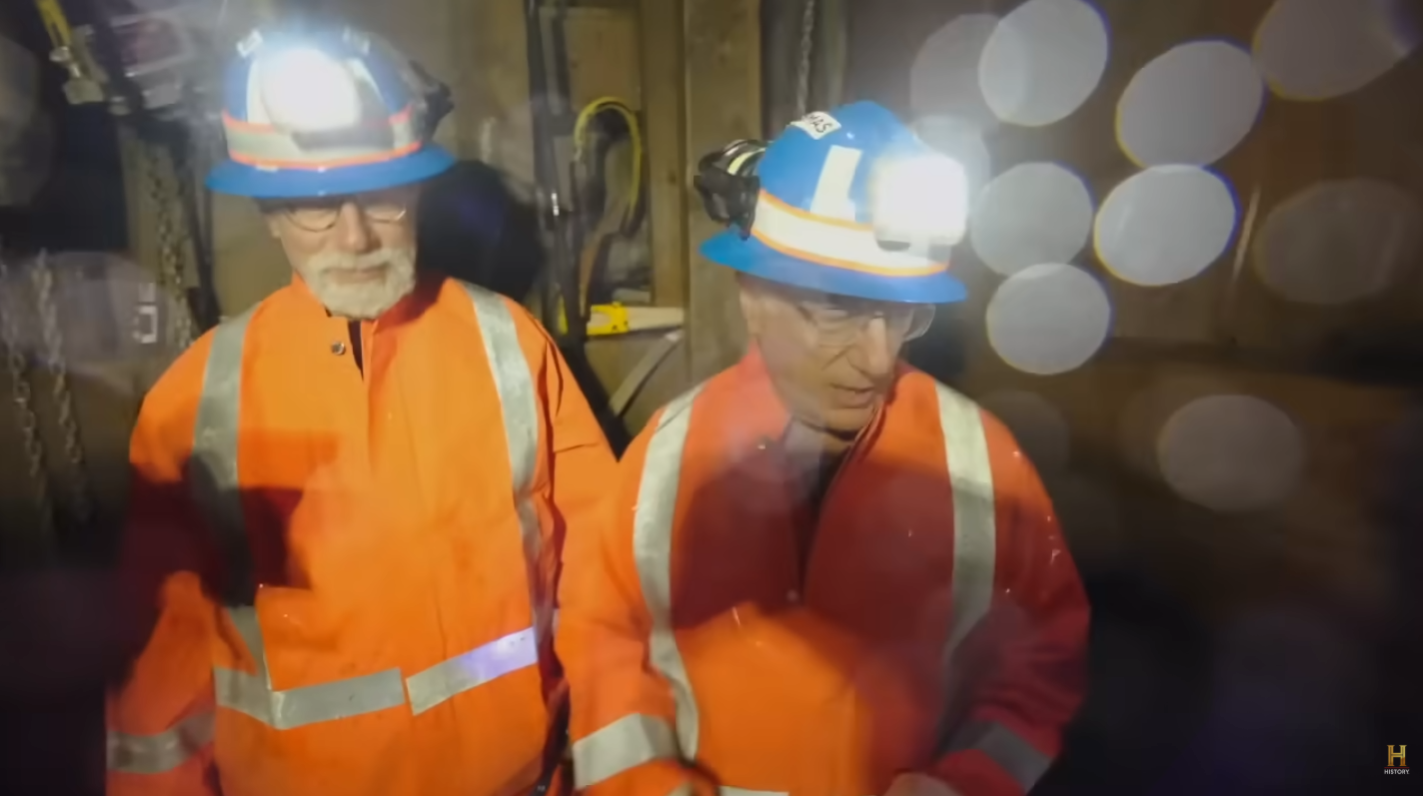
If the tunnel proves inaccessible from the Garden Shaft, Dumas has confirmed it could construct a new lateral tunnel to reach it. Probe drilling equipment would also allow the team to search for evidence of valuables up to 40 feet in every direction once the tunnel level is reached.
While work continued at the Garden Shaft, a parallel investigation unfolded nearby. Geologist Terry Matheson and archaeologist Moira McDonald oversaw drilling at borehole KL-14.5, aimed at penetrating the centre of a massive underground cavity known as “Aladdin’s Cave,” nearly 150 feet below the surface.
When an Anton Spectrum 20 high-definition camera was lowered into the borehole, it revealed approximately 10 feet of open space — the largest cavity the team has ever encountered on the island. As the camera descended, sediment drifted past the lens, suggesting an active underground current.
At one point, the team spotted what appeared to be a square-headed bolt embedded in the cave wall — a potentially man-made object that could indicate human activity deep underground. While the find was not deemed definitive, it was enough to heighten excitement.
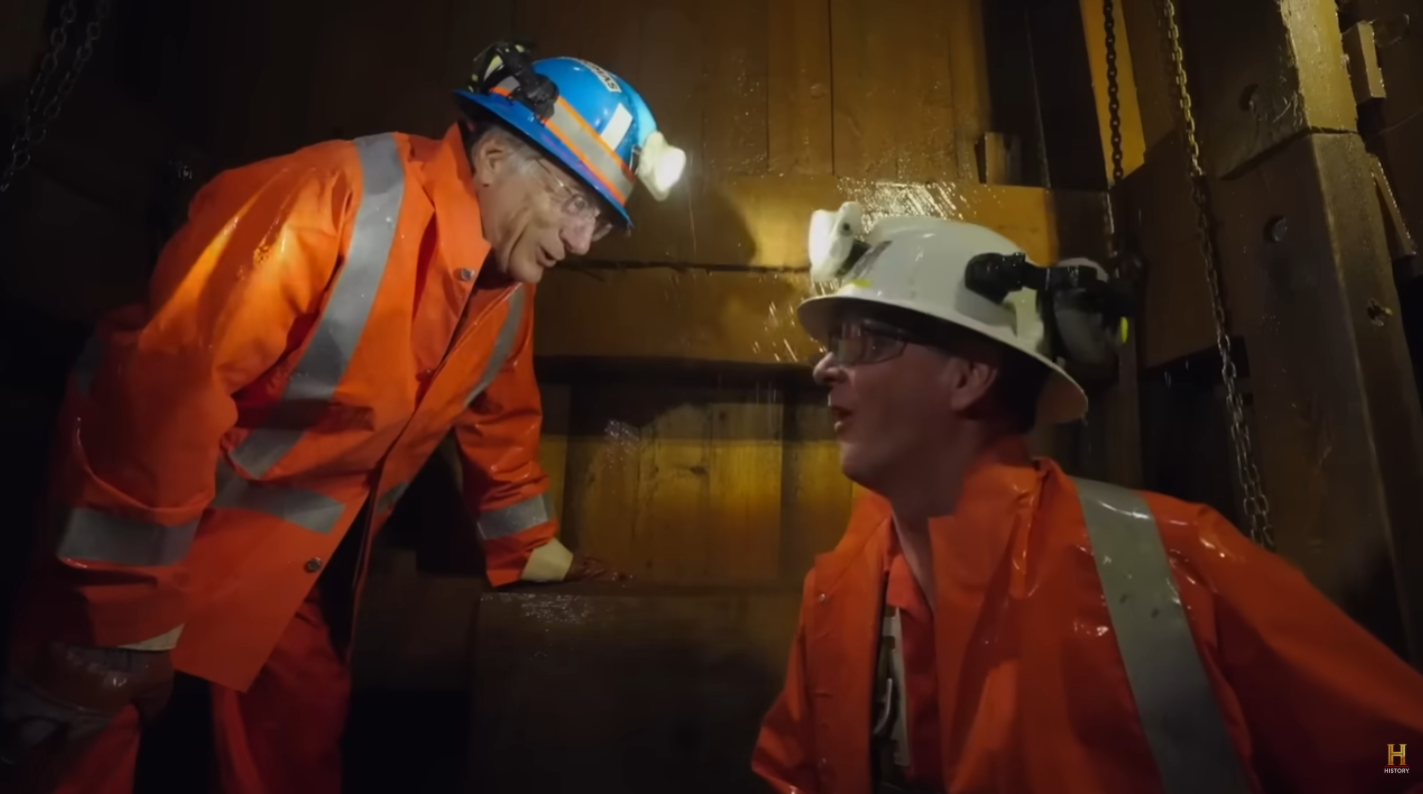
“We’re looking for evidence that human beings were inside it,” Rick Lagina said, adding that the discovery justified further investigation.
The team now plans to deploy sonar equipment to map the full dimensions of the cavern, identify openings, and determine where it leads. According to Marty Lagina, the sonar data could be critical in confirming whether the cave connects to other known features beneath the island.
“We’re in the cave, and what we see is very interesting,” he said. “If this proves anything, it’s worth mapping properly.”
As preparations continue, the Oak Island team believes they may be closer than ever to understanding how — and why — these underground structures were built. Whether the tunnel and cavern conceal historical infrastructure or something more valuable remains unanswered, but for the Laginas, the evidence is increasingly difficult to ignore.
For now, the Garden Shaft stands as a modern gateway into a mystery that has resisted explanation for more than 200 years — and the next few feet could change everything.