Ancient Iron Find on Oak Island Revives Long-Standing Sir William Phips Treasure Theory


OAK ISLAND, Nova Scotia — A newly analysed iron object recovered from Lot Five on Oak Island has reignited debate over whether the island may be linked to the long-rumoured missing treasure of 17th-century colonial figure Sir William Phips.
The artefact, described by researchers as a strap- or pin-like piece of raw iron, was identified during recent work led by materials specialist Emma Culligan, whose analysis suggests the object dates to the late 1600s or early 1700s. What has drawn particular attention is the metal’s unusually clean condition and its chemical signature, which appears consistent with ironwork from the colonial American period.
According to the team, the object does not resemble common nails or fasteners typically found in later settlement layers. Instead, its form and composition have prompted comparisons with iron straps historically used to reinforce chests and lockboxes — items frequently associated with maritime transport of valuables during the colonial era.

Phips, a former governor of the Massachusetts Bay Colony, is a recurring figure in Oak Island theories. He famously recovered vast quantities of silver and gold from a Spanish shipwreck in the Caribbean in the 1680s, yet records indicate that not all of the treasure was ever accounted for. For decades, speculation has persisted that some portion of that wealth was hidden elsewhere, possibly during later voyages in the North Atlantic.
Researchers note that the newly discovered iron piece is not the first of its kind found on Lot Five. A similar strap-like object was recovered previously in the same area, raising questions about whether these items are isolated finds or parts of a larger structure, such as a reinforced chest or storage feature deliberately buried underground.
The discovery coincides with renewed excavation activity near the RP1 shaft, where crews have been recovering hand-cut wooden timbers and tunnel remnants that appear inconsistent with modern construction. Some of the wood shows signs of having been moved or reused, suggesting underground collapses or modifications at different points in time.

While the team has stopped short of drawing firm conclusions, they stress that the growing number of overlapping clues — early-dated metalwork, old tunnel alignments, and repeated structural patterns — warrants closer scrutiny. Plans are now being discussed to compare the artefact with known items linked to Phips’ documented expeditions.
Oak Island has been the focus of treasure hunting since 1795, when a mysterious depression led to the discovery of the so-called Money Pit. Over the past 230 years, searchers have uncovered wooden platforms, coins, tools, fragments of parchment, and other artefacts, yet no definitive treasure cache has been confirmed. The island’s history is marked by costly excavations, legal disputes, and persistent skepticism.
Critics argue that many Oak Island discoveries are overinterpreted, pointing out that isolated objects can easily be misattributed. Supporters counter that the cumulative evidence — particularly when supported by scientific analysis — suggests purposeful activity far earlier and more complex than previously acknowledged.
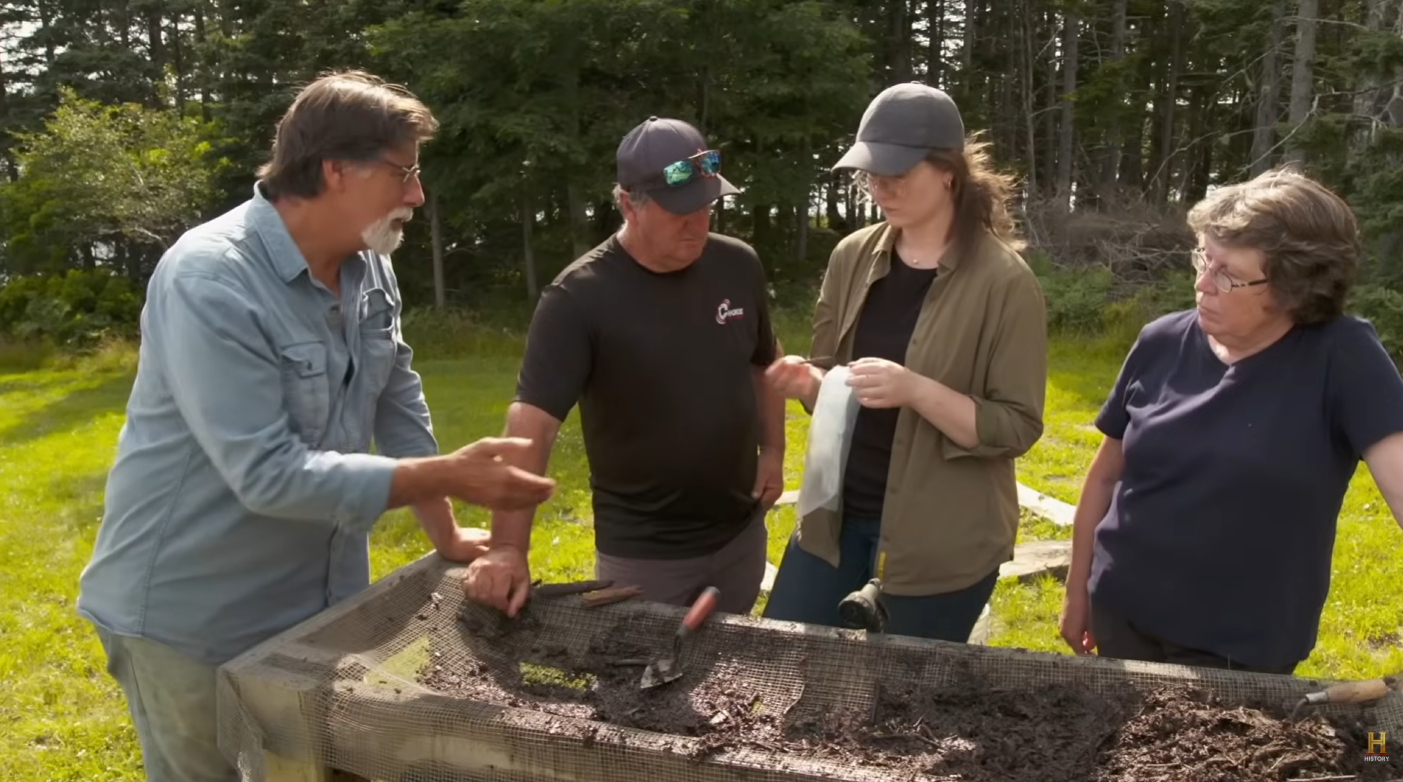
Culligan acknowledged that the iron object could still prove to be mundane, cautioning against premature conclusions. However, she noted that its age, preservation, and material profile make it “significant enough to deserve serious investigation”.
Whether the artefact represents a missing link to Phips’ undocumented activities or simply another fragment in Oak Island’s long catalogue of mysteries remains unresolved. What is clear is that the find has once again shifted the conversation from legend toward data — and has ensured that Oak Island’s centuries-old questions are far from settled.