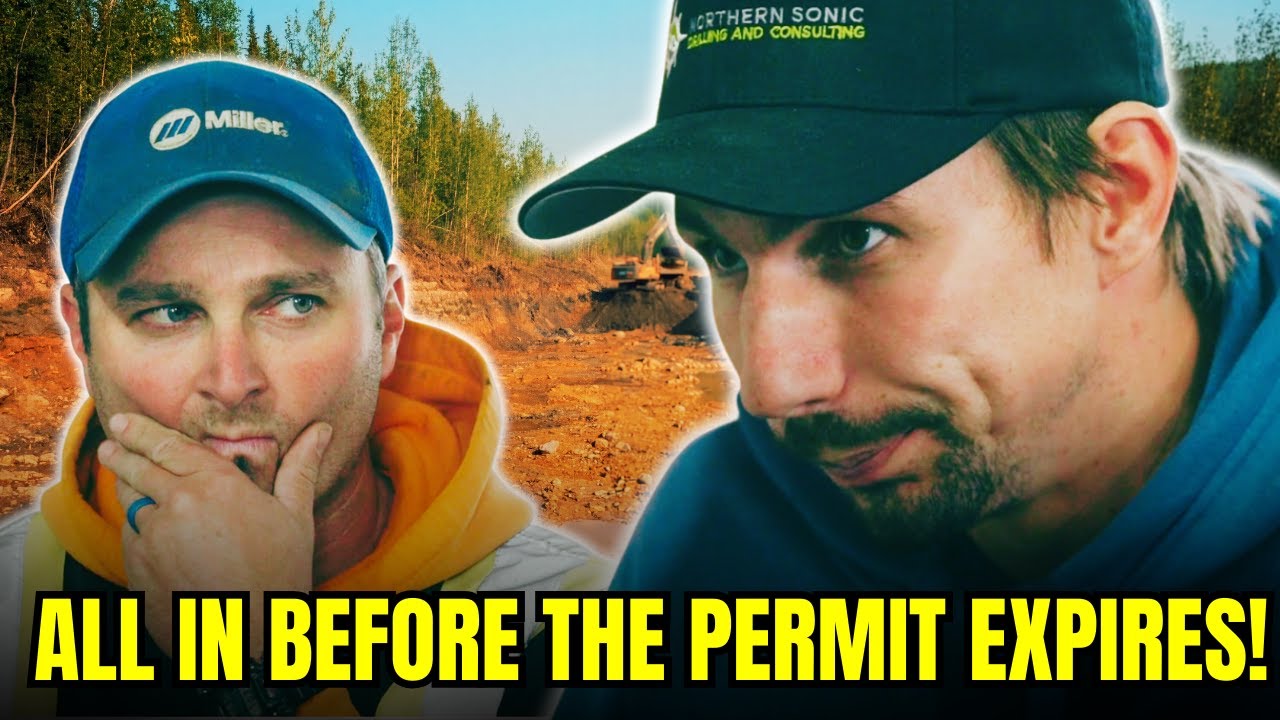
Six weeks into the mining season, Parker Schnabel found himself at a familiar but unforgiving crossroads. His bold target of pulling more than $35 million worth of gold from the Yukon was still within reach—but only just. Across his operations, the numbers told a story of promise under pressure. At Dominion Creek, Tyson Lee was delivering consistently, stacking more than 1,500 ounces. At Sulfur Creek, Mitch Blaschke’s crew was quietly building momentum, producing steady gold and proving the ground still had life left in it.
But time was working against them. Sulfur Creek’s water licence was nearing its expiration, and once it ran out, mining would stop immediately. No extensions. No second chances. From the start of the season, Schnabel had driven his crews hard, knowing every hour mattered. The original plan was simple: mine fast, take what they could, and move on before the deadline closed the door.
As the weeks passed, however, the results at Sulfur Creek complicated that strategy. A standout cleanup—more than 350 ounces in a single week—hinted that earlier miners may have missed a significant portion of the pay streak. A routine inspection of an untested section of ground confirmed those suspicions when a single pan revealed visible gold scattered across the bottom. The discovery stopped the crew cold. Walking away was no longer a simple option.
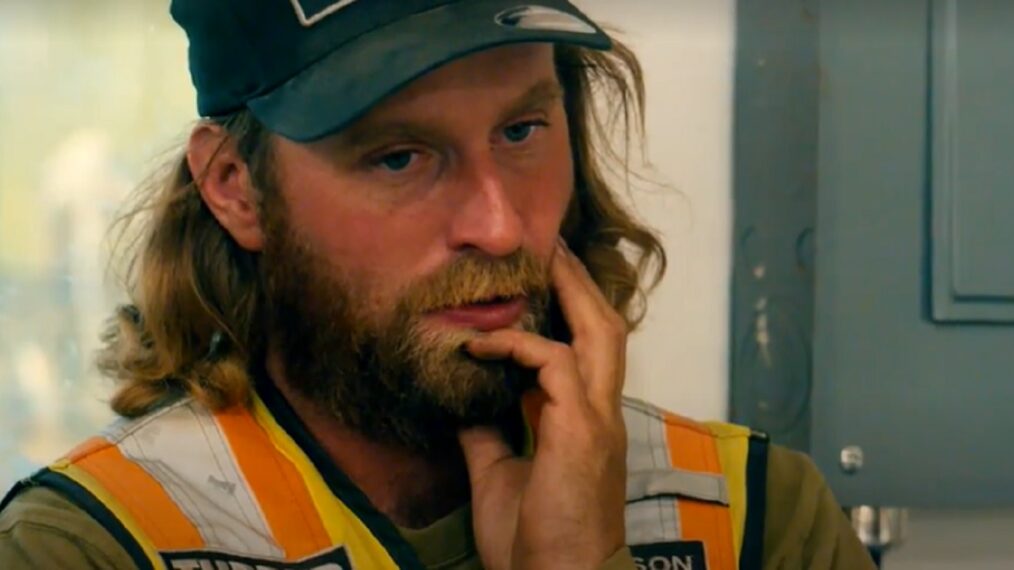
Expanding the cut would mean stripping more ground, hauling more pay, running the wash plant harder, and reclaiming more land—all while the water-licence clock continued to tick down. One misstep could leave valuable ground unfinished and untouchable. But Schnabel has never been known for backing away from visible gold. Convinced the pay streak continued toward the road, he made the call to expand the cut by two acres and ordered the crew to push as hard as possible before time ran out.
The gamble was immediate and expensive. Extra trucks were brought in. Two excavators were added. A loader was assigned full-time to keep the wash plant fed. The objective was relentless production: keep dirt moving and never let the plant run dry. Then, at the worst possible moment, an excavator broke down. Every hour offline meant roughly $8,000 lost, with no time left to absorb delays.
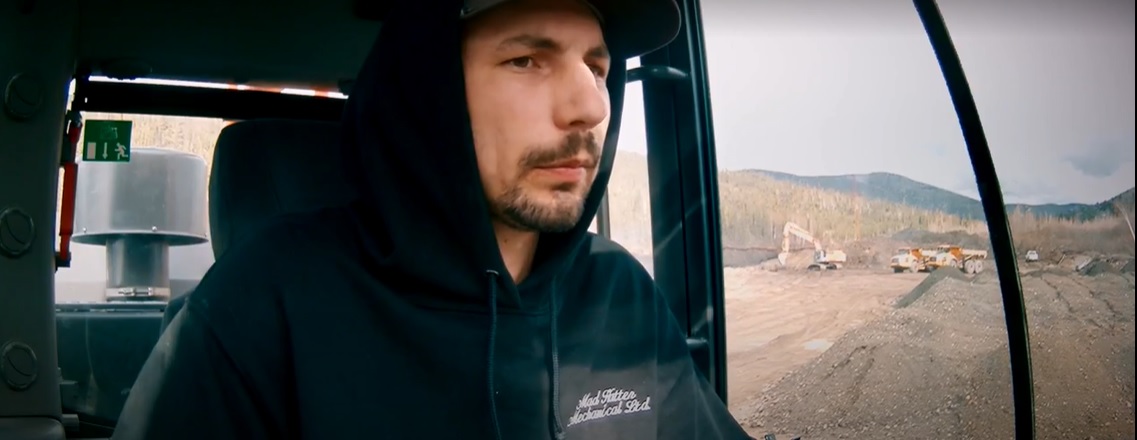
Mechanic Taylor Matea traced the problem to a faulty parking brake and managed to get the machine back online before the setback turned catastrophic. The crew surged forward again, working long hours under mounting pressure. Days later, they finally broke into the expanded pay layer. Rich material poured through the plant, and when the weigh-in came, the risk paid off—46.5 ounces in a single week.
The result validated Schnabel’s instincts, delivering one of the strongest weeks of the season just as the deadline loomed. Yet the risks remain stark. Equipment failures, crew fatigue, unpredictable ground, and reclamation obligations all threaten to derail progress at any moment. Financially, the upside could be hundreds more ounces—but the costs of fuel, labour, and wear on machinery are rising just as fast.
At Sulfur Creek, Schnabel is not simply chasing gold. He is betting against time itself. It is the kind of decision that defines mining seasons—and careers. If everything holds together, the reward could be substantial. If it does not, the consequences will be felt far beyond a single cut in the ground.
