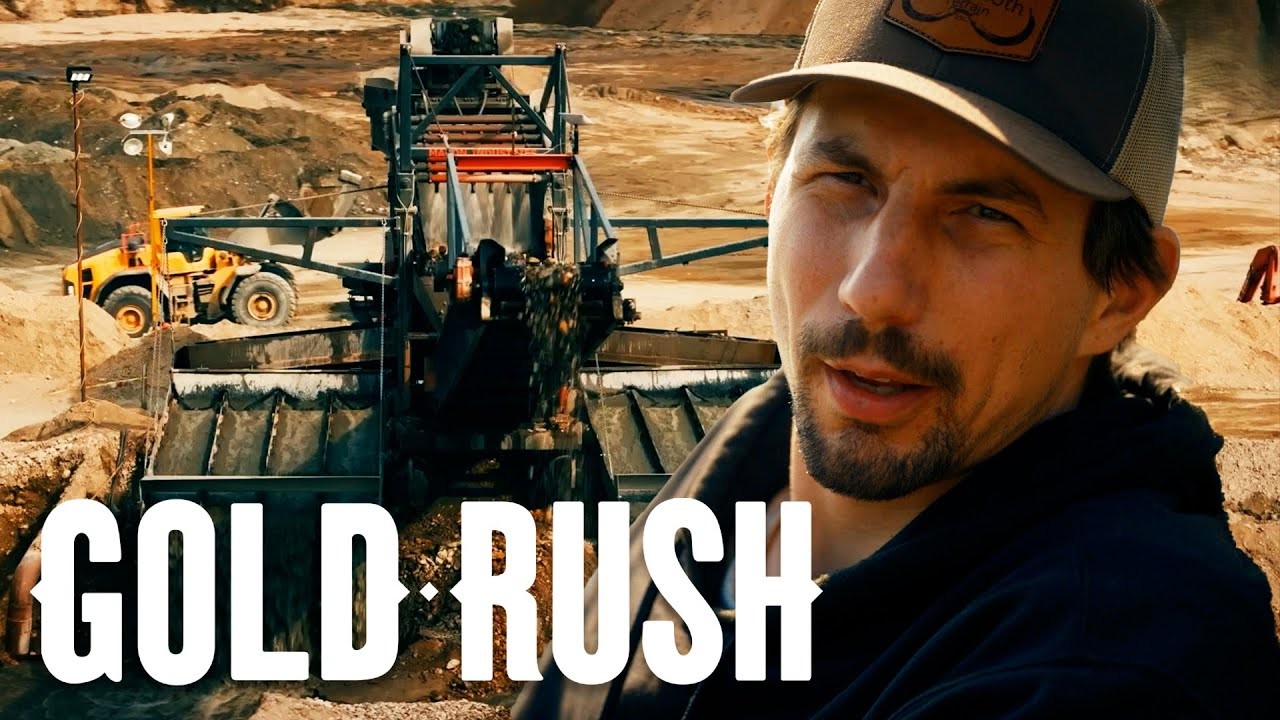
At first light, the machinery roars back to life across Gold Rush country, as Parker Schnabel’s operation resumes its relentless pursuit of a 10,000-ounce season goal. It is, as Schnabel often reminds his crew, “time to make some gold.” Yet on this particular morning, the boss is notably absent from the pit—at least at first.
While wash plants churn and haul trucks roll, day-to-day decisions fall to mine manager Nona Loveless, who oversees the logistics of Schnabel’s vast Yukon empire. Spread across three active sites, the operation covers roughly 10,000 acres, employs close to 40 workers, and relies on more than 60 machines. The scale is immense, and so is the cost: running the mine burns through well over $100,000 each day.
Loveless, still recovering from the previous night’s celebrations, has little time to rest. One issue looms large: the stripping crew is close to finishing its current assignment. If they are left idle, production slows. If they are redeployed poorly, the consequences ripple through the entire system.

The stripping crew may be largely unseen on television, but within the mine they are indispensable. Often described as a “special forces” unit, these operators can run almost any piece of equipment and are responsible for exposing the pay dirt that keeps the wash plants fed. Without them, gold stops moving.
“The question is simple,” Loveless explains. “Where do they go next?” It is a decision that must be made quickly—by the end of the day—to avoid lost time and lost momentum.
Complicating matters further is the need for liquidity. With daily costs mounting, Loveless flags another priority: selling gold to ensure there is cash in the bank. Schnabel agrees to handle both tasks, even as he attempts—briefly—to take a day away from the pit. In mining, days off rarely last.
Behind the scenes, the challenge is one of coordination. Three wash plants depend on a steady flow of pay dirt. Three site bosses, each running their own section of the mine, compete—quietly—for resources. Deploying the stripping crew to the wrong location could leave a wash plant starving, while another site sits overprepared.

To make the call, Schnabel does what he has done for years: he goes to see for himself. Rather than relying solely on reports, he visits each lieutenant in person, assessing ground conditions, equipment status, and immediate needs. Only then can he decide where the stripping crew will deliver the most value.
“There’s always something that comes up,” Loveless notes. “You can try to step away, but this mine doesn’t run itself.”
As the season progresses, the pressure to stay on pace for 10,000 ounces intensifies. Every decision—where to strip, when to sell gold, how to allocate people and machines—carries weight. For Schnabel, this balancing act is now routine, but it is no less critical.
In a business measured in ounces and hours, even a single day of indecision can leave a mark. And with the stripping crew ready for new orders, the next move may prove pivotal in determining whether this ambitious season target remains within reach.
