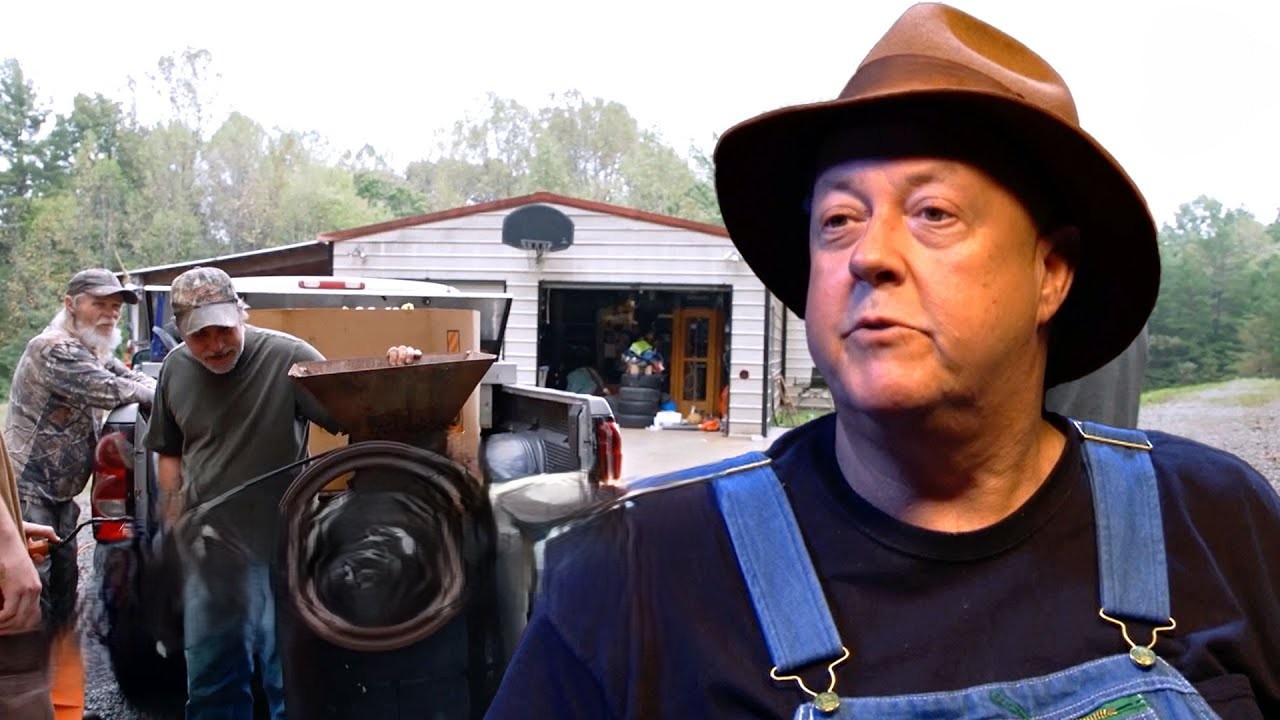
In the shadowy world of Appalachian moonshining, where tradition meets audacity, a new wave of bold experiments and high-stakes operations is keeping the illegal liquor trade alive and thriving. Drawing from recent exploits captured on the hit Discovery Channel series Moonshiners, shiners across the region are pushing boundaries with quirky ingredients, cutting-edge gear, and perilous bootlegging runs, all while dodging the law and nature’s curveballs.
The episode kicks off with a wild twist in mash-making, as seasoned shiners declare they’re crafting “the craziest damn liquor we’ve ever made.” Incorporating sweet treats like cupcakes and cake into their recipe, the duo indulges in sampling sessions that pack on the pounds—eight apiece, by their estimate. “Quit eating all the damn cake,” one quips amid the chaos. The resulting mash, described as looking like “a clown puked,” tastes divine but carries risks: leaving it unattended could attract bears within a 20-mile radius. “That’s the best tasting mash I’ve ever tasted in my life,” one enthuses, suggesting a jarred version with added liquor. Yet, they caution, flavor alone doesn’t guarantee quality shine—it’s all in the distillation.
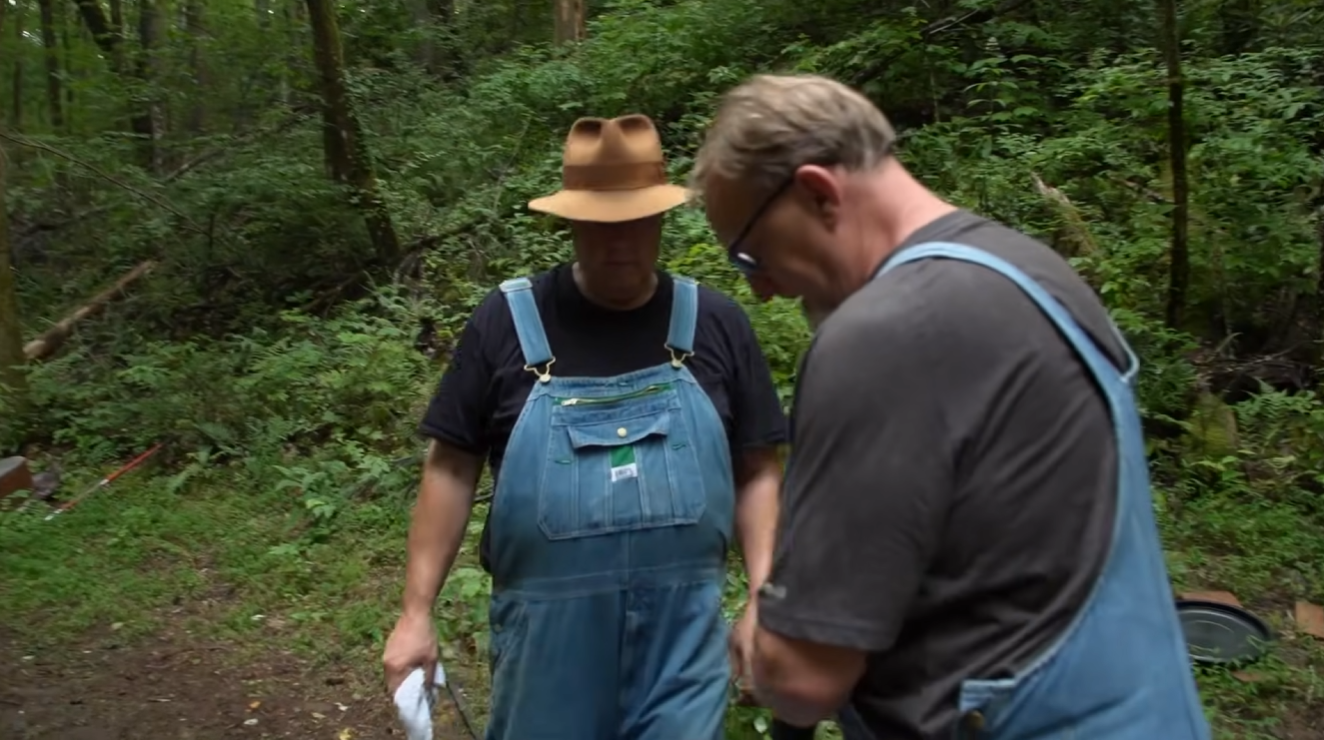
In North Carolina, rookie Wayne teams up with a moonshining legend for a crash course in the craft. “Tell me what to do. You the master,” Wayne says, diving into cracked corn, hot water, sugar, and the secret weapon: sprouted malt corn. This ingredient promises headache-free liquor and faster fermentation. “The more malt you put, the quicker it works off,” the mentor explains, holding back his “final touch” recipe for now. To elevate their small pot still, they’ve engineered a innovative “hoop burner” that heats the sides rather than the bottom, minimizing scorching risks. “It looks like some sort of damn 1960s robot,” one jokes, channeling Lost in Space. This furnace-like setup creates even heat, ensuring premium, scorch-free runs. As the pros note, moonshiners are masters of adaptation: “They can overcome obstacles… and they’re great businessmen, too.”
Meanwhile, legal distiller Tim Smith ramps up production at his rented facility, churning out 8,000 cases with 2,000 more to go. Running 24/7 for six weeks straight, the operation tests limits—no days off, just grueling 12-hour shifts. With two massive 30,000-gallon mash tanks feeding a single 2,000-gallon pot, any breakdown could halt everything for weeks. “Never in my life have I ever did anything like this,” Tim admits, highlighting the relentless grind of liquor-making, legal or not.
High drama unfolds in the Great Smoky Mountains, where solo shiner Mark Rogers bootlegs seven gallons of corn whiskey. Meeting a buyer at an old bridge, he confesses, “This is the part of moonshining I do not like… the bootlegging part. Never have, never will.” Partnering with Tennessee’s Mike a year ago aimed to offload this risky task, but Mark still handles the danger solo, wary of law enforcement lurking “anywhere.”
Adding historical flair, the episode spotlights Jimmy Red corn, a rare heirloom variety from James Island near Charleston. Once nearly extinct due to industrial farming, it’s prized for its red exterior and blue interior, signaling high oil content for superior flavor and distillation. “Blue distills the best and makes the best whiskey,” an expert explains, noting its bootlegger heritage. Shiners sift through variants, selecting the fattest ears for grinding: “Mine’s fatter than yours… Mine’s longer than yours.” This corn, preserved by reclusive families, revives old-school whiskey-making traditions.
Not all goes smoothly for shiners Tickle and the Laws, who score an early apple harvest for popular brandy. “That means the world to us because we can get this stuff mashed in… before any other moonshiner’s got any available,” they say. Using an antique grinder from a veteran shiner, they aim to pulverize apples finely for better yeast penetration and flavor. But the relic falters, producing chunky mash unfit for quick fermentation. “This is just not going to work,” they agree, pivoting to Plan B: borrowing a commercial grinder from a buddy. With nights growing colder, time is critical—fine grinding could shave weeks off the process, turning applesauce-like mash into potent brandy in days.
These tales underscore the moonshining ethos: ingenuity amid adversity. From bear-baiting mash to robot-inspired burners and rare corn revivals, the craft demands know-how, grit, and a dash of luck. As one shiner puts it, “There’s nothing easy about the entire process.” Whether evading wildlife, innovating tech, or outpacing rivals, these modern outlaws keep the spirit of shine flowing—proving the backwoods business is as resilient as ever. Fans tuning into Moonshiners can expect more thrills as the season unfolds, blending folklore with felony in America’s untamed hills.
