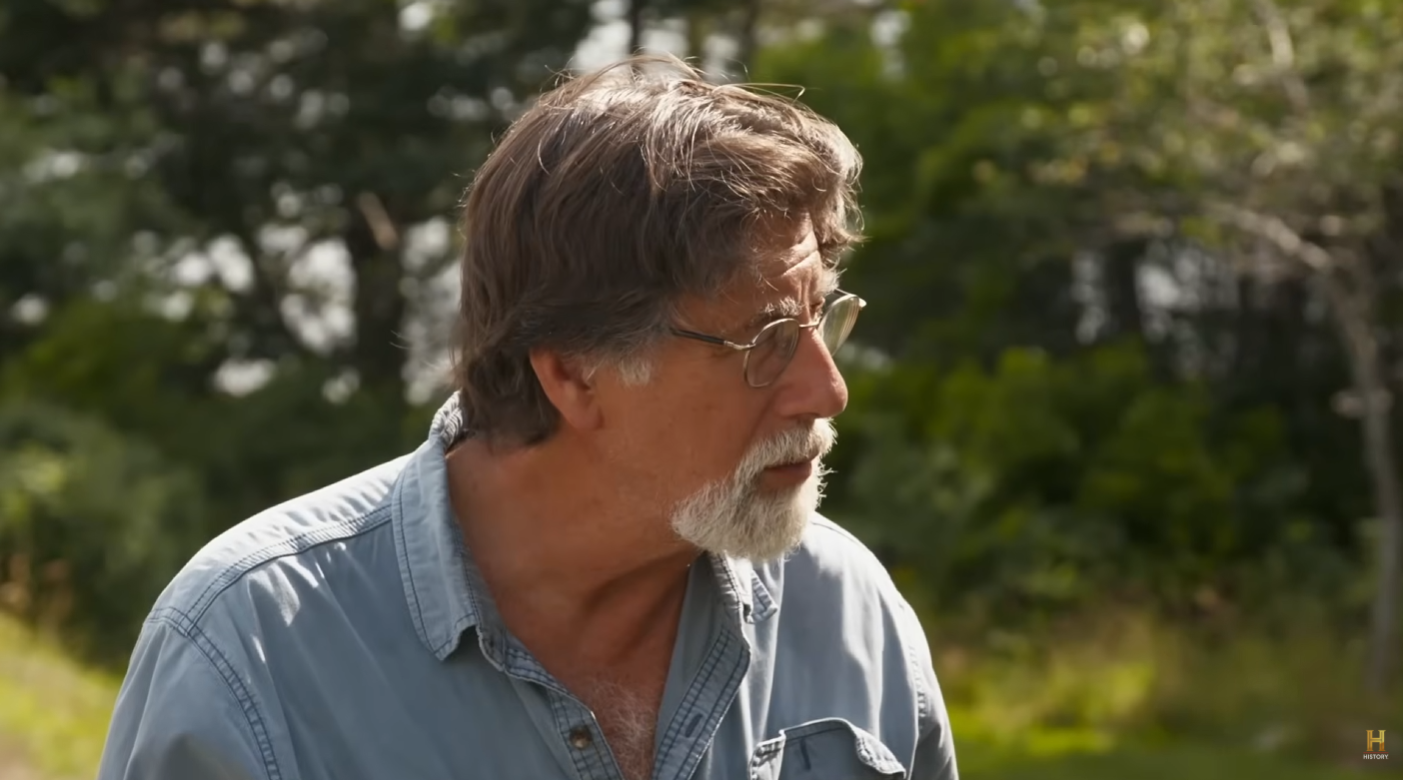
In a gripping continuation of the centuries-old mystery surrounding Oak Island, a team of archaeologists and researchers has uncovered a potentially significant artifact from a 900-year-old stone well on Lot 26. The discovery, which includes traces of silver in the well water and an iron object dating back to the 1700s, has reignited speculation about hidden treasures and pre-colonial activity on the infamous Canadian island.
The expedition, led by Jack Begley alongside archaeologists Laird Niven and Helen Sheldon, began with the painstaking task of pumping out the well and sifting through its murky depths. “We’re going to pump it out, and then scoop out the debris,” Niven explained during the operation. “Hopefully find an artifact. If we find something that’s datable down there, even better.”
The well, one of the oldest manmade structures ever found on Oak Island, has drawn intense interest due to recent water tests by Dr. Ian Spooner revealing elevated levels of silver. Rick Lagina, a key figure in the ongoing Oak Island investigations, pondered the implications: “How do you explain that? It’s been speculated before—there are constructs across the island that possibly could be used as a ‘bank.’ Oak Island is somewhat remote, so where would you put something precious? Well, you might hide it in an old well.”
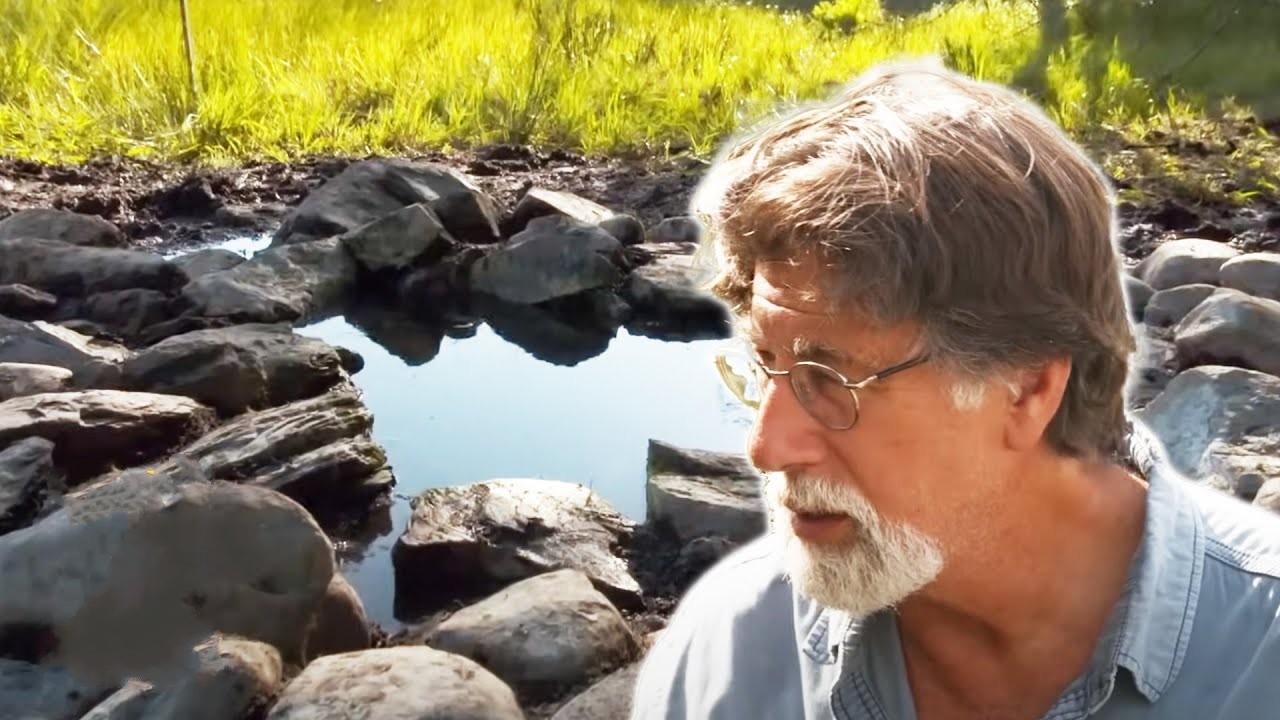
As Begley delved into the gravelly layers, the team noted the well’s rounded construction giving way to angular rocks, suggesting possible modifications over time. Marty Lagina, Rick’s brother and fellow explorer, described Lot 26 as “very interesting,” noting its alignment with other anomalies like a paved area in the swamp and a ship’s railing. “The well is as old as the 11th century. What do I do with that? It’s astounding. I can’t explain it.”
Later that afternoon, outside the Oak Island Interpretive Centre, Sheldon and archaeometallurgist Emma Culligan sifted through the dried spoils. Their efforts paid off when they unearthed a peculiar iron piece. “It’s definitely iron. Looks hand-wrought. Maybe a file,” Sheldon observed. Culligan added, “The tip is rounded and seems intentional. We’re finding more and more sulfur content in iron this year, which means it was made in a furnace of lower temperatures—an indicator that it’s older, around 1700s.”
The artifact, described as “nail-like but not a nail,” sparked theories of shipbuilding connections. Lagina suggested it could be a “clench” nail, bent during vessel construction. “In the old days, they’d hammer them in and clench them,” he said. Given that machine-made nails emerged around 1800, the find could predate the 1795 discovery of the legendary Money Pit, a deep shaft long believed to hold buried riches.
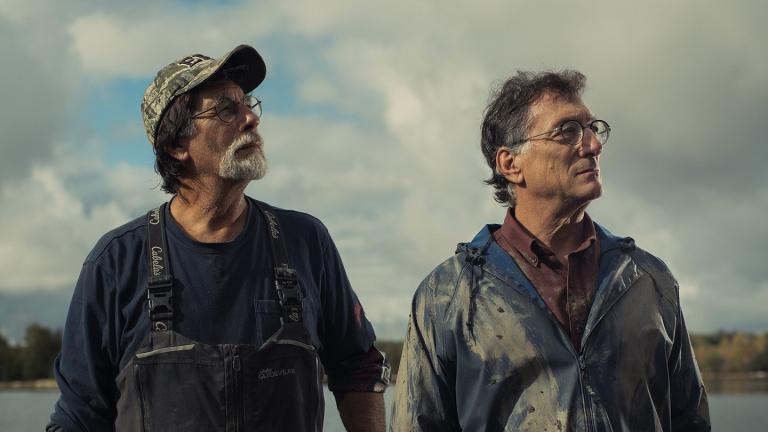
To unlock its secrets, the team transported the artifact to Saint Mary’s University in Halifax, where chemist Dr. Christa Brosseau and colleague Dr. Xiang Yang analyzed it using a Scanning Electron Microscope (SEM). “No manganese, so we use that as a marker that it’s pre-1840, most likely,” Brosseau confirmed. “It does look like an older iron.”
Peter Fornetti, part of the analysis team, expressed optimism: “That pre-1840 is good for us. It speaks to activity on this lot prior to any inhabitants on Oak Island.” Historian Charles Barkhouse echoed the sentiment: “It’s nowhere near the Money Pit. What were they doing there? Was that an access point or an exit point?”

The discovery adds to Oak Island’s lore, which includes tales of pirate treasure, Knights Templar relics, and even connections to the Holy Grail. While skeptics dismiss the island’s enigmas as folklore, findings like this bolster the case for early European or even pre-Columbian presence. “Lot 26 still has a lot of secrets,” Brosseau noted.
As the team vows to continue excavations, Lagina reflected on the artifact’s potential: “This certainly would be a candidate for further investigation to allow that little item to possibly tell us a story.” With the well’s bottom yet to be fully explored, Oak Island’s curse—or blessing—of endless mysteries endures.
For more on Oak Island’s history and ongoing digs, visit the Oak Island Interpretive Centre or follow updates from the Fellowship of the Dig.
