Gold Rush Season 16 Episode 9: Tony Beets nearly loses $340,000 before hot-wiring his season back to life


Tony Beets’ Sluicifer plant suffers a four-day shutdown in Gold Rush Season 16 Episode 9, triggering a $340,000 loss before a massive generator brings his Indian River operation back online
Wildfires were burning across the Yukon, and record gold prices were pushing every crew to run harder, but in Gold Rush Season 16 Episode 9, the biggest threat to Tony Beets’ season came from inside his own operation.
A single burned wire shut down his Indian River wash plant, Sluicifer, triggering a four-day production collapse that cost an estimated $340,000 before Beets and his crew forced the system back to life with a generator four times more powerful than the one that failed.
The crisis unfolded while Tony Beets was already deep into what had been one of the strongest seasons of his career.
The episode states that he had already banked over $9.5 million in gold, nearly half his seasonal total, while running nonstop at Indian River.
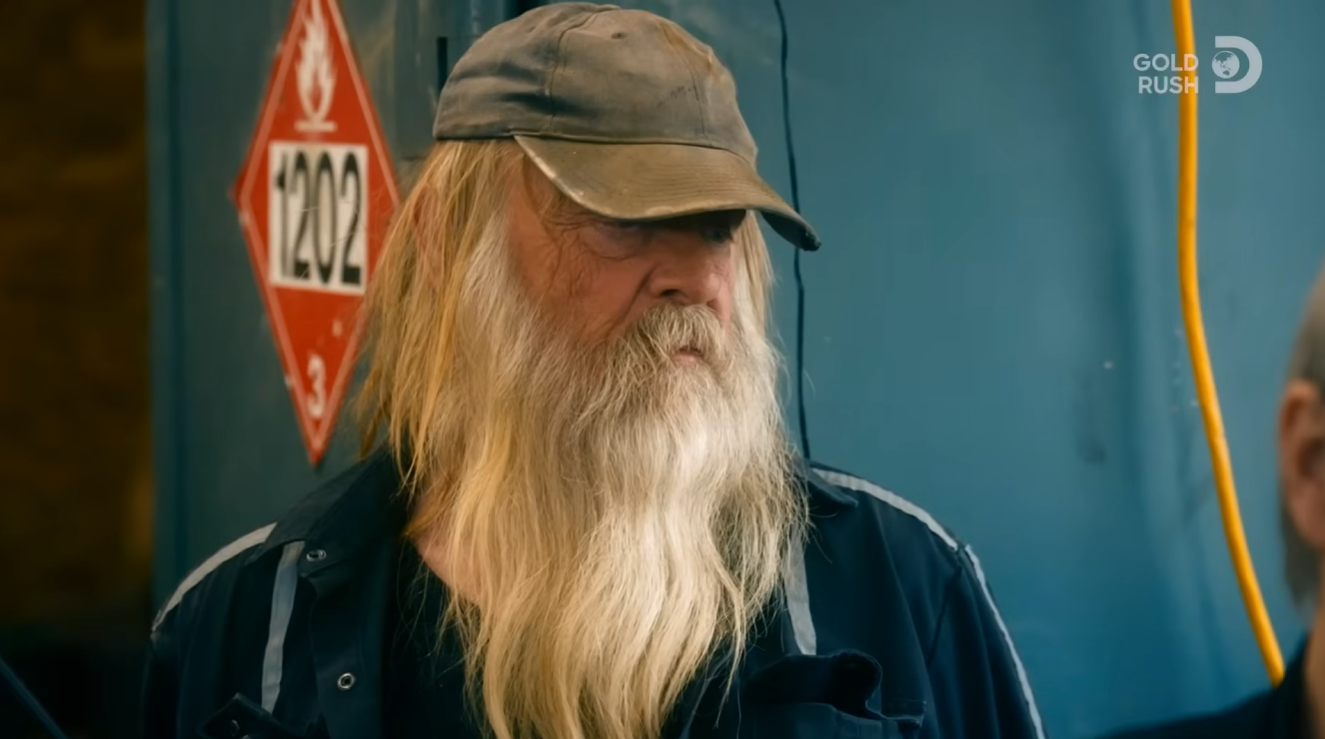
The pressure to keep Sluicifer running was enormous. As Beets put it,
“You know, I don’t take my time. I get it on the go and then grab it while you can because you never know what’s going to last.”
Gold Rush Season 16 Episode 9 shows Tony Beets’ operation pushed to the brink
Sluicifer is the only active money-making wash plant at Tony’s Indian River operation. The plant relies on a single 40-horsepower drive motor to power its shaker decks, which separate gold from waste dirt.
That motor failed when its electrical wiring wore through and caught fire. As the crew opened the control box, the damage was obvious. One worker said,
“If you look in this box, some of the wiring is burnt right up. But as soon as you take the cover off, you can smell it. And it just smelt like it was trying to light on fire.”
The failure instantly shut the plant down. The episode made the cost of that shutdown explicit:
“Every hour Sluicifer is down is costing Tony $8,000.”

A replacement motor was installed after five hours of work, but when the crew tried to restart the plant, it immediately stalled. The operators were not too sure what was happening, and Tony summed it up bluntly:
“It’s running, but it won’t work.”
With the new motor unable to start, Tony acknowledged the damage. Tony had lost $40,000 and counting in gold production as the shutdown stretched into multiple days.
Electrician James McCrell was called in to diagnose the failure. After testing the system, he explained what was happening:
“So, we fired the new motor on. It just like spins slowly, and then it’s like, ‘Nope.’ Yeah. It goes into overload fault. Yeah. 22 overload fault.”
James identified the problem as the generator’s soft-start system, which limits power when a motor first starts. He proposed bypassing it. He said,
“What we’re going to do is we’re going to hard start it. We’re going to bypass it.”
The attempt failed. “I bet you that just went into overload,” James said after the motor shut down again. At that point, the scale of the losses became clear.

With Sluicifer down for four full days, James concluded that the generator itself was the problem. He said,
“The generator’s just under size to hard start this unit… probably the simplest solution bring over a bigger generator.”
Tony already had one. He said,
“Well, I got bigger, and there’s one sitting right here, too.”
The solution was extreme. Tony’s replacement generator, a Cat 3406, produced four times more power than the existing unit.
Instead of dismounting it, Tony had it welded directly onto a 50-year-old pipe layer a
“Doesn’t matter what it looks. It doesn’t matter what it takes. You improvise and anything to get back up and go, right?”
Once connected, the oversized generator finally delivered enough power to spin the shaker deck. After four days of silence, Sluicifer came back online, and Tony was back on the gold.
Tony did not hide what the outage had cost him. He said,
“We’ve been down for 4 days. So, that’s a lot of ounces we’re missing. And with the gold price these days, that’s a lot of money.”
When the week’s gold was finally weighed, the damage was visible. From Indian River, Sluicifer produced 120 ounces worth $420,000 — far less than it would have generated had it run all week.
Despite the losses, the forced restart kept Tony’s season alive. He concludes it by saying,
“We’re back to slowly making some money. I suppose that you can make up for lost time. At least we’re back on it. That’s the most important thing.”