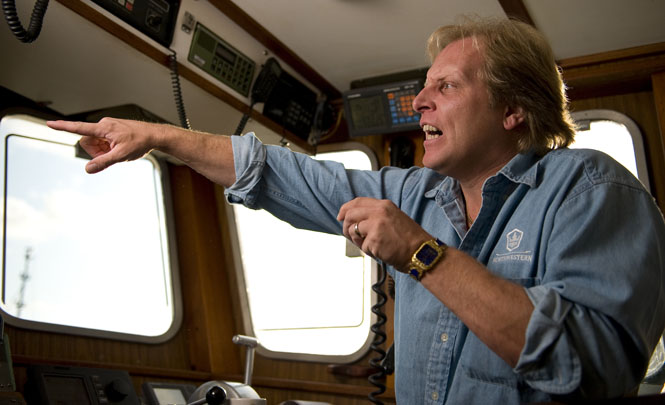
Alaska’s Bearing Sea – For viewers of Deadliest Catch, the ocean is as much a character as the men and women who navigate its treacherous waters. The show, famed for its high-stakes fishing operations, reveals a reality far beyond dramatic music and scripted tension. Out on the Bearing Sea, every wave is real, every mistake carries weight, and the dangers faced by the crews are as unforgiving as the ocean itself.
In January 2005, the fishing vessel Big Valley sent out a final emergency call. Brief and calm, the signal provided no hint of the disaster to come. By the time search crews arrived, the boat had already vanished, taking six men with it. One survivor would later describe a terrifying moment of chaos, where instinct took over after a sudden roll of the boat. Only one made it out alive. This tragic loss, which unfolded quietly, set the tone for the perilous reality that would define the show for years to come.
In 2006, the Ocean Challenger capsized while fishing far from shore. Harsh winds, waves, and cold temperatures added up to a deadly combination. Four men were thrown into the freezing waters. Only one, Kevin Frell, survived, thanks to a survival suit. The loss of the Ocean Challenger was another brutal reminder that the seas don’t need a camera crew to claim lives. But it wasn’t just the waves that posed the danger; it was the unforgiving nature of the job, where experience sometimes isn’t enough to save you.
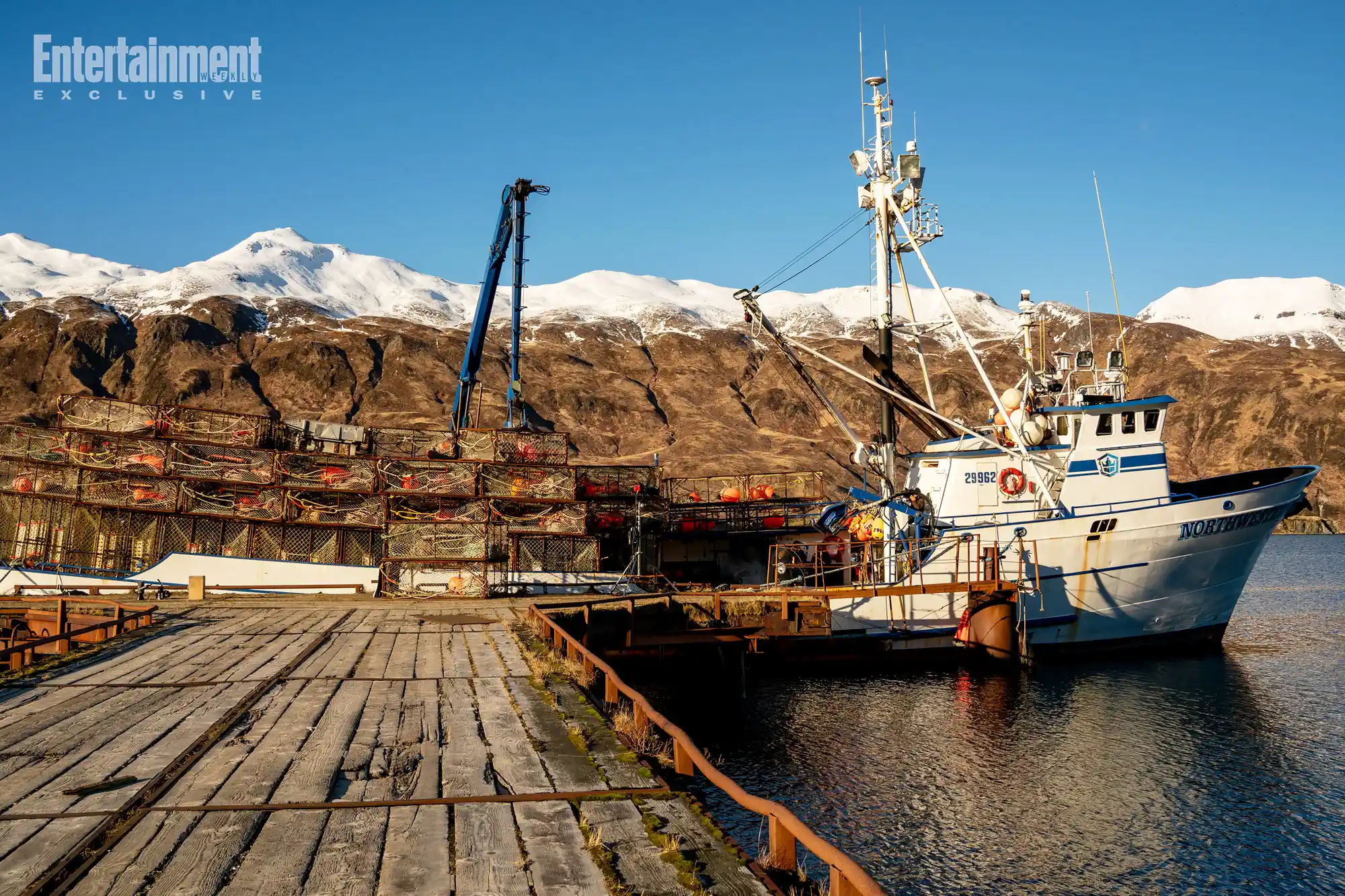
By 2008, many crews believed they had seen the worst the ocean could offer. But then, the Alaska Ranger went down after a mechanical failure caused water to rush into the engine room. Despite decades of service and a seasoned crew, the boat sank, and while 46 people were rescued, one man was still missing. When the search resumed the next day, it was too late. The haunting reality of the job was clear: even when the crew had been rescued, there were no guarantees.
In 2010, Deadliest Catch lost one of its most beloved faces—Phil Harris. The tough, no-nonsense captain collapsed from a heart attack and passed away, leaving behind a grieving family, crew, and audience. His death wasn’t part of the show’s usual high-intensity drama. It was a personal loss that changed the show’s tone forever, reminding viewers that the danger on the sea extends far beyond the boats and waves.
Even the smallest of mistakes have big consequences on the Bearing Sea. In 2013, a firework device, intended for a celebration, detonated in a fisherman’s hand, leading to a career-ending injury. The explosion shattered bone and tore through tissue, altering the course of his life in an instant. Though the fisherman survived, his ability to continue working as a fisherman was gone forever. The consequences of this small moment were far-reaching and served as a reminder that danger isn’t always a result of storms or sinking ships; sometimes, it’s just one careless second.
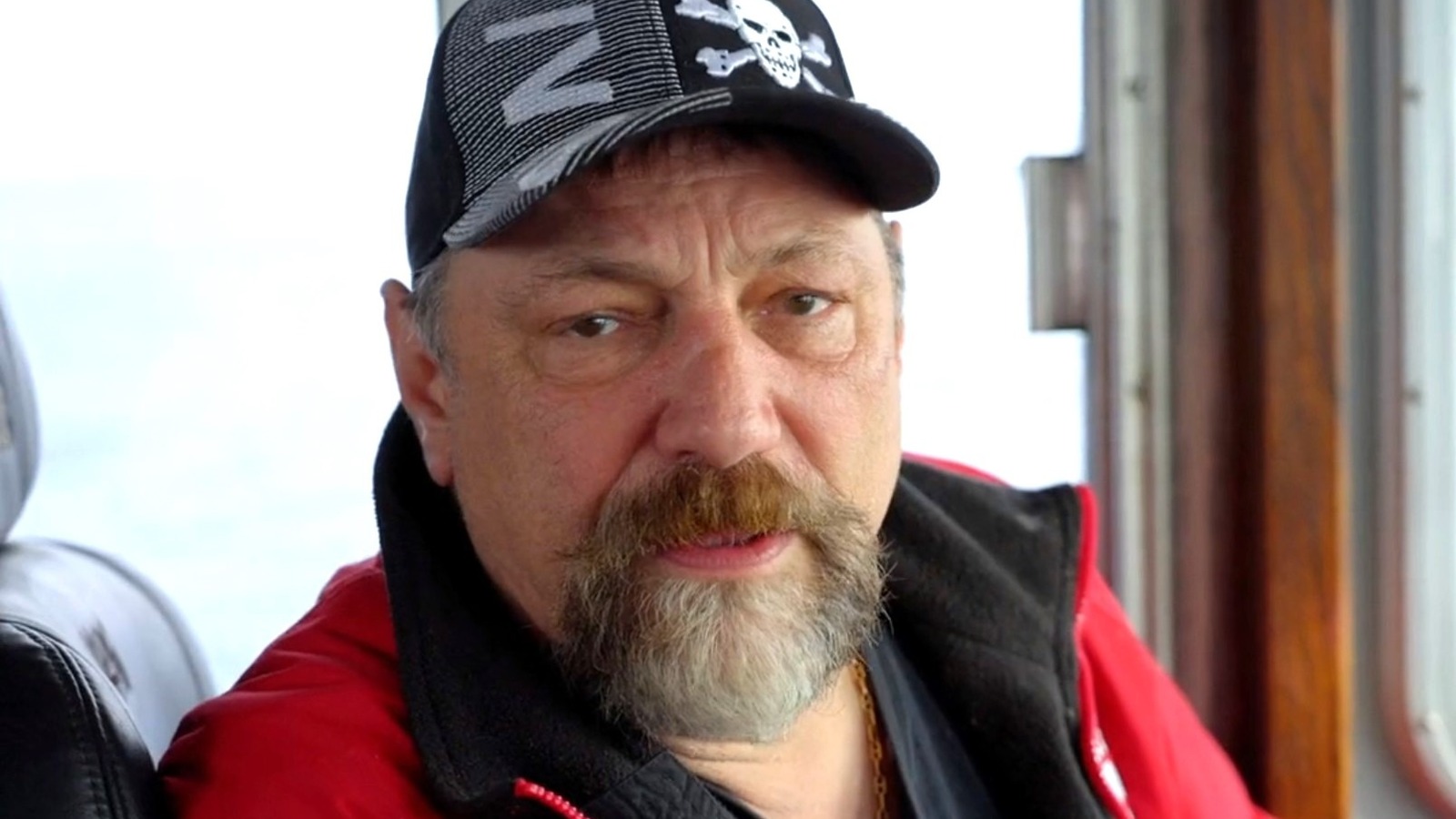
In 2016, seasoned captain Sig Hansen collapsed on deck, later revealing it was due to a heart attack. In 2018, a second heart scare followed. Hansen survived both, but the events served as a stark reminder that no amount of experience could protect you from the most unexpected of dangers: your own body.
Perhaps the most chilling loss came in 2017 when the fishing vessel Destination sank near St. George Island. The crew was lost, and there was no dramatic rescue story to follow—just tragedy. This loss, one of the deadliest Alaskan fishing incidents in over a decade, sent shockwaves through the fleet.
Just three years later, the Scandies Rose capsized in brutal conditions off Kodiak, claiming three lives and leaving only two survivors who barely escaped the cold water. In both cases, there were no warnings, no buildup—just a deadly shift from calm to catastrophe in minutes.
Then came the silence. In 2017, Edgar Hansen, a key member of the Deadliest Catch crew, disappeared from the show with no explanation. Viewers were left to speculate about his absence, which was only later revealed to be tied to legal issues so serious that the show could not acknowledge them on screen. The quiet removal of Hansen left an unsettling mark on the show, a reminder that sometimes reality is too complex, too painful, to fit into a scripted narrative.
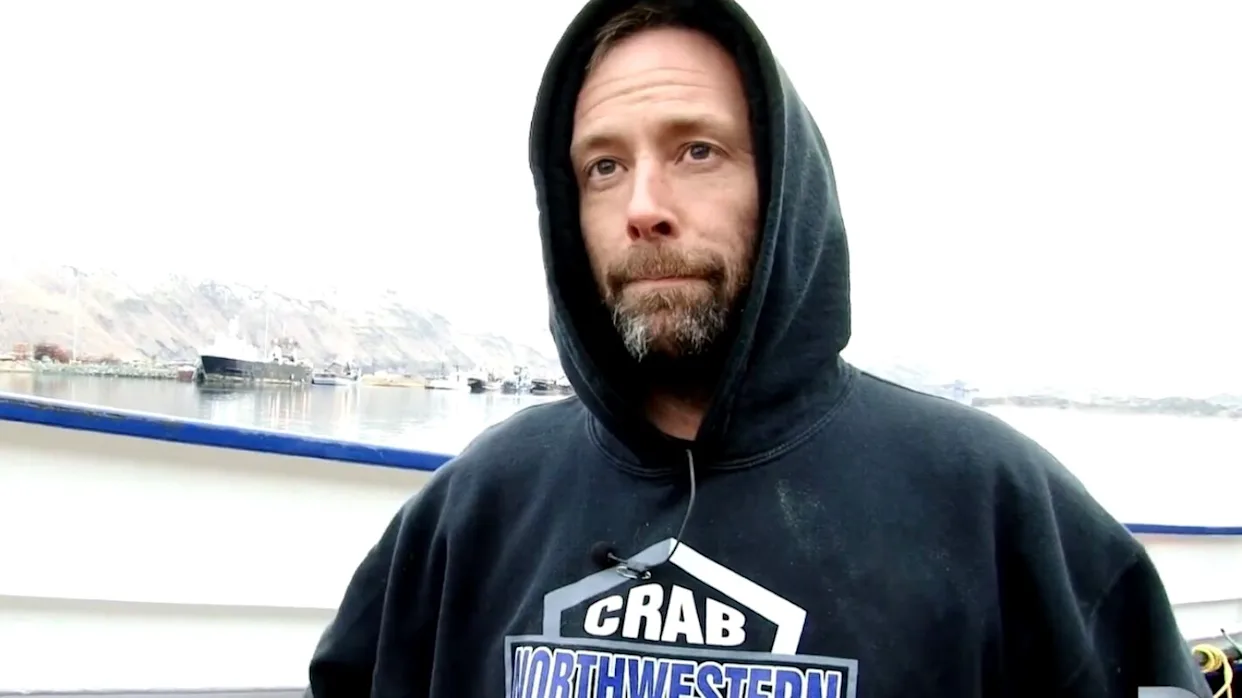
The show had built its reputation on real danger, real lives, and real consequences. But as Deadliest Catch moved forward, it began to grapple with the consequences of those same dangers. Crew members didn’t just battle the ocean—they also faced personal struggles, health issues, and legal consequences that would never make it to the headlines.
What makes Deadliest Catch so unforgettable is not just the peril at sea but the consequences that follow. Every time a crew sets sail, it carries the weight of all that has come before. Tragedy, loss, and survival are part of the fabric of life on the Bearing Sea. It’s a harsh reminder that the dangers of this job aren’t just part of the drama—it’s real life. Every wave could be the one that changes everything.
In the Bearing Sea, there are no second takes, no time for do-overs. It’s a reminder that, in the world of Deadliest Catch, the stakes are always high, and the cost of failure can be measured in lives lost, dreams shattered, and a show that continually reminds us of the price of survival.
