
For nearly two decades, Sig Hansen has stood as one of the defining figures of Deadliest Catch, embodying endurance, discipline, and responsibility in one of the world’s most demanding professions. Now, as the long-running Discovery series continues into its third decade, questions are emerging about the future of its most recognisable captain—and whether the Bering Sea chapter of his life is nearing a natural close.
A Life Shaped by the Ocean
Born in Seattle in 1966 to a Norwegian-American fishing family, Hansen was immersed in commercial fishing from an early age. By his teens, he was already working aboard vessels in Alaska, learning the trade under the guidance of his father and elders who helped pioneer year-round crab fishing in the region.
At just 24, Hansen assumed command of the family vessel, the Northwestern. The role came with weighty expectations: safeguarding crew welfare while maintaining productivity in conditions where margins for error are slim. Under his leadership, the Northwestern developed a reputation not only for strong performance, but also for prioritising crew safety—an approach that distinguished Hansen within the fleet.
Television Fame Without Detachment
When Deadliest Catch premiered in 2005, producers sought captains whose experiences reflected the realities of life at sea. Hansen quickly became a central figure, recognised for his traditional navigation style, decisive leadership, and complex family dynamics involving his brothers and later his daughter.

Despite international recognition, colleagues and crew have often noted that Hansen’s approach off camera remained unchanged. The work, rather than the spotlight, remained his focus.
Health Challenges Alter the Equation
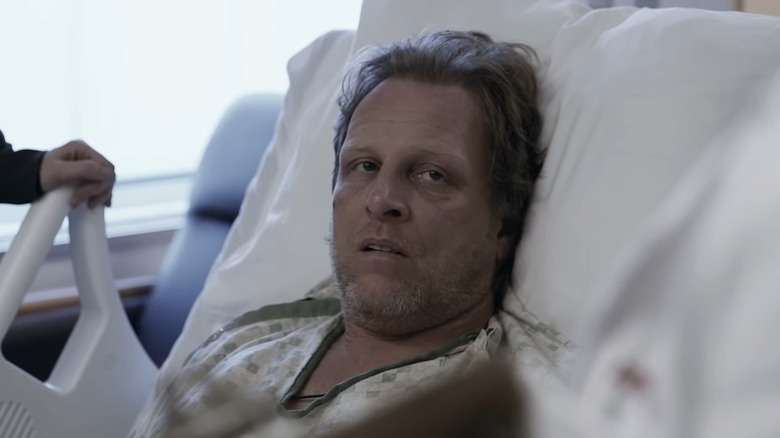
Over the past decade, however, Hansen’s relationship with the sea has been reshaped by serious health events. During filming in 2016, he experienced a major cardiac emergency while aboard the Northwestern, requiring immediate evacuation and hospital care. A second medical episode followed in 2018, reinforcing the reality that even the most seasoned captains are subject to physical limits.
In interviews since, Hansen has spoken candidly about recovery, lifestyle changes, and the difficulty of stepping back from a vocation that defines one’s identity. While he returned to work sooner than many expected, he has since acknowledged a need for caution and balance.
Family at the Centre
These reflections deepened when Hansen’s wife, June, faced her own medical diagnosis in 2019. Speaking publicly in later seasons, Hansen described how confronting health challenges together prompted a reassessment of priorities, particularly time spent with family.
The couple share a close bond with their children and grandchildren, and Hansen has increasingly referenced the importance of ensuring continuity without personal overextension.
Passing the Helm
That continuity is already visible. In recent seasons, viewers have seen Hansen’s daughter, Mandy Hansen, take on greater responsibility aboard the Northwestern. Her confident handling of the vessel during key moments has underscored the likelihood of a generational transition—one Hansen has openly prepared for.
While he has not announced a formal departure from fishing or television, Hansen has acknowledged that his future may involve stepping back from full-time command. The emphasis, he suggests, is no longer on proving endurance, but on preserving what has been built.
An Uncertain Horizon
For audiences, Sig Hansen’s story has never been solely about catches or conditions. It has been about leadership under pressure, the cost of responsibility, and the gradual evolution of a life spent at sea.
Whether he continues at the helm or moves into a quieter role, Hansen’s influence on Deadliest Catch—and on how the profession is portrayed—appears secure. What lies ahead may not be defined by storms or seasons, but by choice, legacy, and timing.
As the series moves forward, one reality is clear: the sea will continue, with or without its most familiar captain. The question now is not whether Sig Hansen can endure it—but how, and for how long, he chooses to remain part of it.
