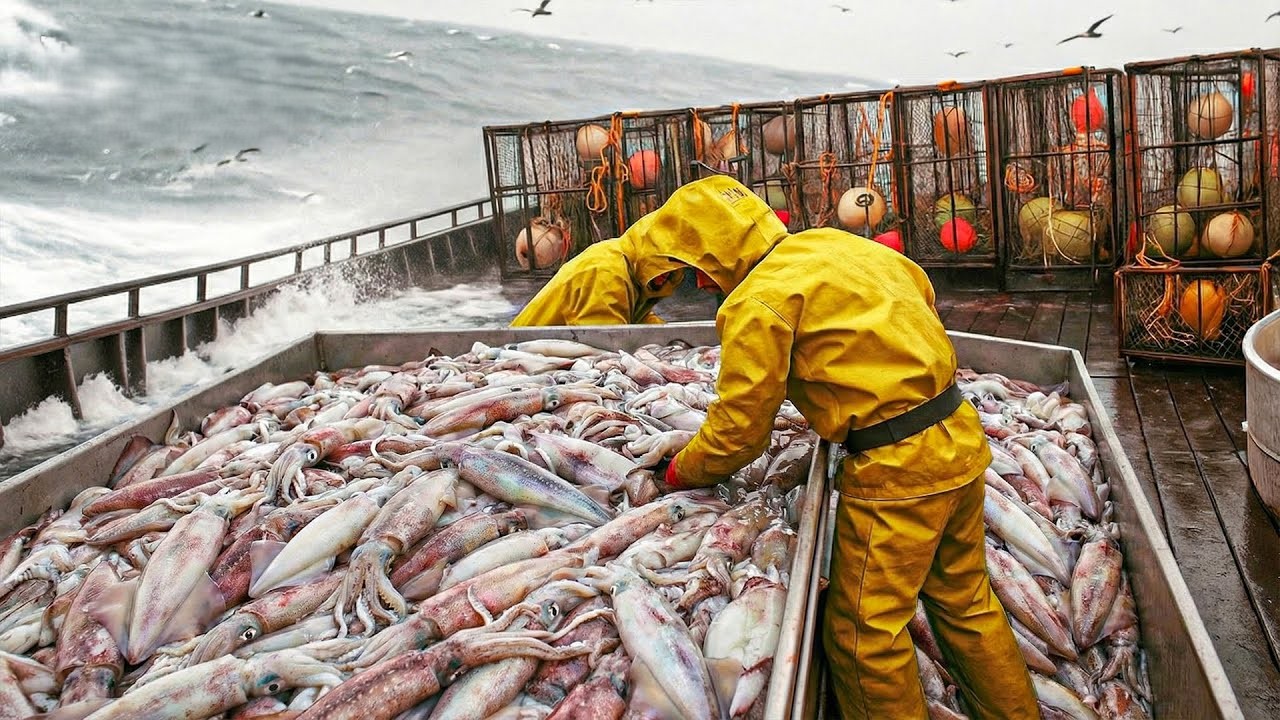
When Deadliest Catch first premiered on the Discovery Channel in 2005, it offered viewers an unprecedented look into one of the world’s most dangerous professions: Alaskan crab fishing. The show’s raw, unfiltered approach to documenting life aboard fishing vessels in the treacherous Bering Sea captivated audiences and quickly became a cultural phenomenon. However, over its nearly two-decade run, the series has undergone a significant transformation in how its stories are crafted and presented.
The Early Years: Documentary Authenticity
In its initial seasons, Deadliest Catch operated primarily as a documentary series. Camera crews embedded themselves on fishing vessels, capturing the genuine chaos, danger, and camaraderie of crab fishing. The storytelling emerged organically from real events: mechanical failures, injuries, severe weather conditions, and the constant pressure to fill quotas before the fishing season ended.
The show’s producers took a relatively hands-off approach to narrative construction. Captain Phil Harris’s struggles with his sons, the fierce competition for crab, and the life-threatening situations that arose were all authentic moments captured as they happened. The tension didn’t need to be manufactured because the job itself provided more than enough drama. Viewers connected with the unvarnished reality of watching exhausted fishermen work 20-hour shifts in sub-zero temperatures while massive waves crashed over their vessels.
The Shift Toward Constructed Narrative
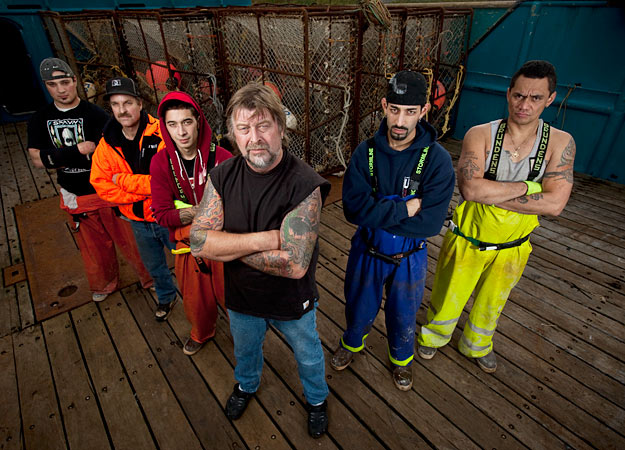
As the series progressed and gained popularity, subtle changes began to appear in its storytelling approach. Producers recognized patterns in what resonated with audiences: interpersonal conflicts, family dynamics, rivalries between captains, and near-disaster scenarios. What started as observational documentary filmmaking gradually incorporated more deliberate narrative structuring.
By the show’s middle seasons, producers were increasingly shaping storylines through strategic editing and post-production techniques. Interview segments became more prominent, allowing captains and crew members to provide commentary that could frame events in specific ways. The editing process began emphasizing certain conflicts while downplaying others, creating character arcs that spanned entire seasons rather than individual episodes.
Modern Scripting Techniques
Today’s Deadliest Catch bears the hallmarks of contemporary reality television while maintaining its foundation in the genuine dangers of crab fishing. The show now employs several scripted reality techniques that differ markedly from its documentary origins.
Producers work with captains before and during filming seasons to identify potential storylines. Family succession dramas, such as when younger generations take over vessels from veteran captains, are developed with clear beginning, middle, and end points. Rivalries between boats are amplified through carefully selected footage and dramatic narration that emphasizes competition over cooperation.
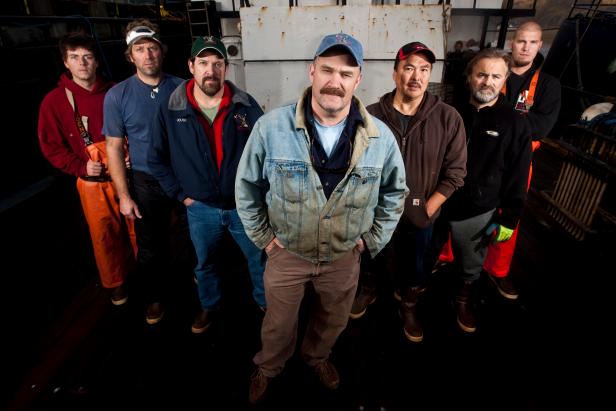
The use of cliffhangers has become standard practice. Episodes frequently end with voiceovers suggesting imminent catastrophe or major revelations, building suspense that carries viewers into the next week. While the dangerous work remains real, the presentation has become more theatrical, with dramatic music, intense close-ups, and editing techniques borrowed from action films.
Interview segments now serve dual purposes: providing context and creating narrative tension that may not have existed in the moment. A captain’s worried expression during an interview, combined with ominous narration, can transform a routine mechanical issue into a seemingly life-threatening crisis.
The Balance Between Real and Constructed
Despite these changes, Deadliest Catch hasn’t abandoned its core authenticity entirely. The fishing itself remains unscripted and genuinely dangerous. Injuries, equipment failures, and harsh weather conditions cannot be fabricated. The show continues to document a profession that claims lives nearly every season, maintaining a connection to the serious reality that initially drew viewers.
However, the framework surrounding these authentic elements has become increasingly constructed. Producers now shape multi-episode story arcs, engineer confrontations through careful editing, and use production techniques that blur the line between documentation and entertainment.
Conclusion
The evolution of Deadliest Catch reflects broader trends in reality television. As audiences develop tolerance for genre conventions and competition for viewership intensifies, even shows rooted in genuine reality feel pressure to enhance their narratives. The transformation from observational documentary to scripted reality hasn’t necessarily diminished the show’s appeal, but it has fundamentally changed what viewers are watching. Today’s Deadliest Catch remains compelling television, but it represents a hybrid form: real danger and authentic work wrapped in carefully constructed dramatic packaging. Understanding this evolution helps viewers appreciate both what the show has retained and what has been lost in its journey from the Bering Sea to prime-time entertainment.
