Jeremy Clarkson’s reputation as a blunt, outspoken television personality often precedes him, but according to one of Clarkson’s Farm’s most recognisable figures, the reality behind the public image was clear from their very first meeting.
The former Top Gear and The Grand Tour presenter bought Diddly Squat Farm near Chadlington in 2008, long before it became the unlikely centrepiece of one of Prime Video’s most successful factual series. Since then, Clarkson has steadily expanded his rural ventures, most notably with the purchase of The Windmill pub in Asthall, which he relaunched as The Farmer’s Dog in August 2024. Both enterprises now feature prominently in Clarkson’s Farm, which has aired four series so far, with a fifth already confirmed.
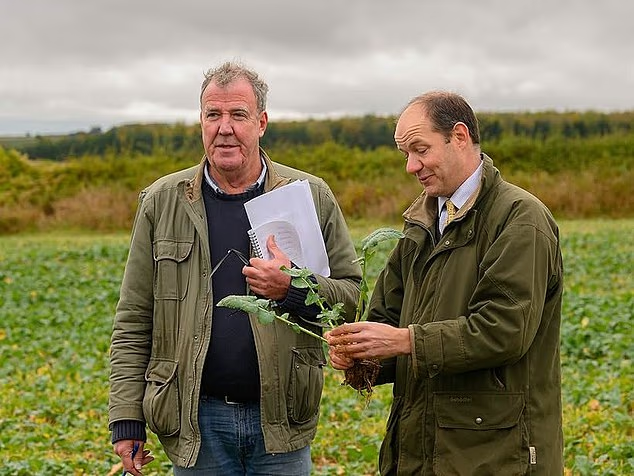
Among the programme’s breakout stars is Clarkson’s land agent, Charlie Ireland, whose calm, methodical approach often provides a counterbalance to the presenter’s more impulsive instincts. Ireland, 48, has worked closely with Clarkson throughout the series, guiding everything from crop choices to regulatory hurdles, and has become a firm favourite with viewers.
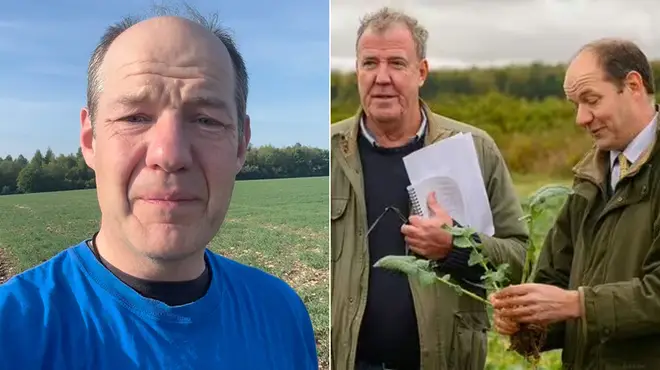
Speaking recently to the Daily Telegraph, Ireland reflected on his first encounter with Jeremy Clarkson, an interaction that, he says, immediately challenged common assumptions about the broadcaster. The Daily Express later reported that Clarkson had “shown his true colours” during that initial meeting.
“My first impression was that he was very welcoming and focused,” Ireland explained. “He was genuinely interested in what the farm was and what it could become – the crops, the livestock, the long-term potential. Not everybody is.”
Ireland went on to praise Clarkson’s instinctive understanding of storytelling, a skill honed over decades in television and journalism but, he believes, particularly effective in the unscripted environment of farming. “Jeremy’s ability to tell a story is absolutely phenomenal,” he said. “Because what’s happening on the farm is real, it just captures people.”
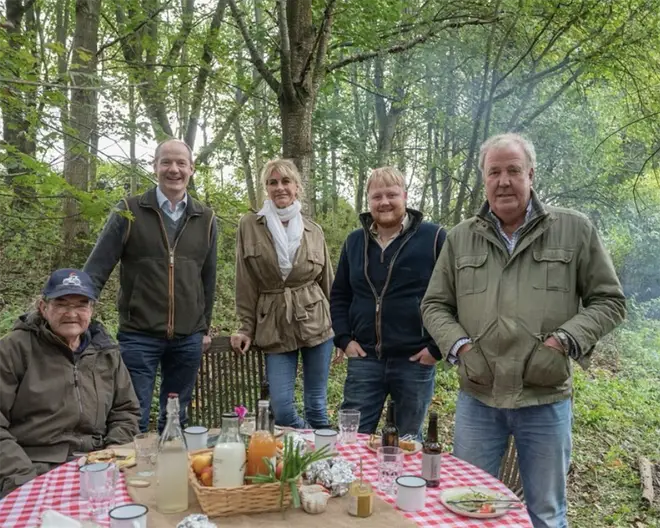
He also highlighted Clarkson’s talent for distilling complex ideas into simple, instantly relatable observations. “I use 1,000 words, he uses six, and everyone understands immediately what he’s saying,” Ireland noted.
As an example, Ireland pointed to a recent piece Clarkson wrote about wildlife on the farm. “He said, ‘Everybody loves a robin, but we all know they’re fighty little b******s.’ That’s it. In just a handful of words, he captured exactly what a robin is.”
For Ireland, moments like that explain why Clarkson’s Farm continues to resonate with audiences far beyond traditional farming circles. Behind the loud opinions and headline-grabbing remarks, he suggests, is someone deeply engaged with the land, the people who work it, and the stories that emerge from everyday rural life.
