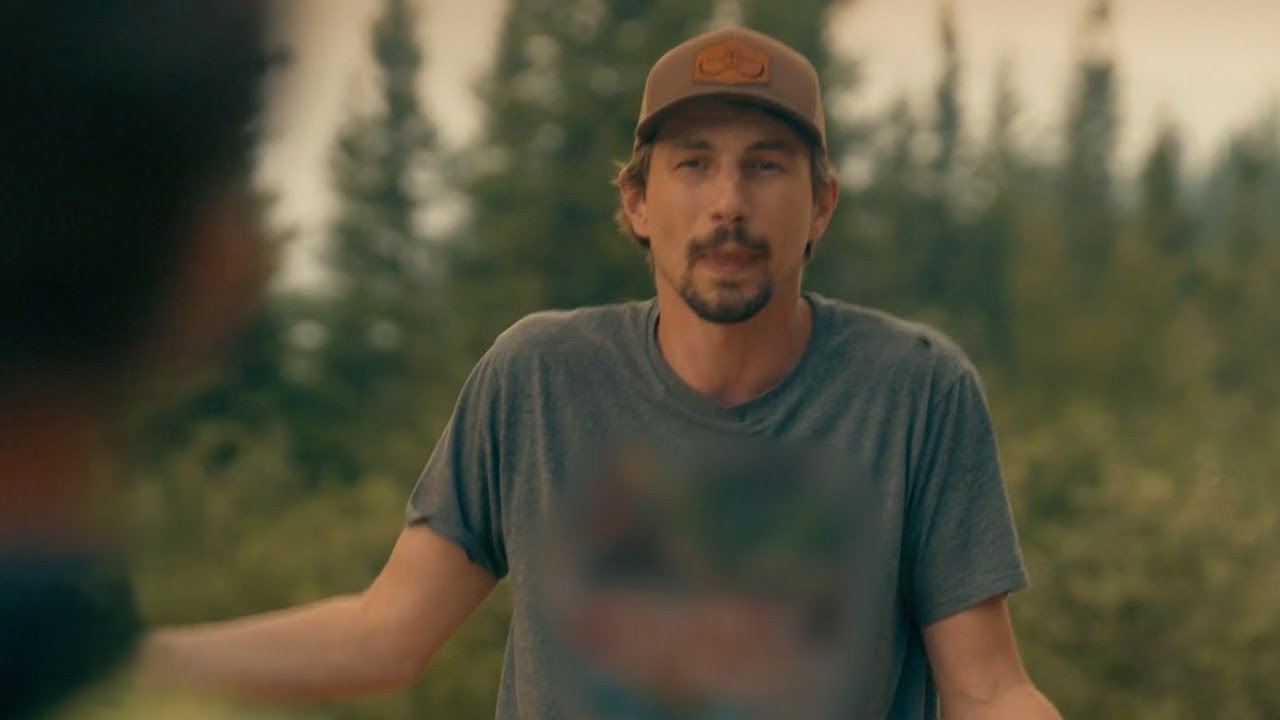
A rapidly escalating wildfire emergency in Canada’s Yukon has placed intense pressure on one of the territory’s most ambitious gold-mining operations, as television personality and mine boss Parker Schnabel races to keep his season on track.
Lightning strikes over recent days have sparked dozens of fires across the region, transforming vast stretches of forest into an unpredictable and dangerous landscape. According to local monitoring data, more than 90 wildfires have burned across hundreds of thousands of acres, fuelled by dry ground and strong winds capable of pushing flames at alarming speed.
For Schnabel, whose operation has been pushing toward a season valued at approximately $35 million, the timing could hardly be worse. One major fire was reported within just a few miles of his Dominion Creek site, while another burned even closer to his Sulphur Creek claim, raising serious concerns for crew safety, equipment, and access routes.
During routine checks, Schnabel and his team found themselves uncomfortably close to the advancing blaze. The heat was visible and tangible, prompting safety advisers to question whether filming and operations should continue. While the fire did not appear to be moving directly toward the crew at that moment, conditions were described as volatile, with visibility changing rapidly as smoke drifted across the valley.

Despite the danger, work continued under constant assessment. Schnabel explained that fast-moving fires often announce themselves through thick, black smoke, while visible flames can sometimes indicate slower movement. Even so, the margin for error was slim.
The stakes were heightened further by regulatory pressure. The water licence at Sulphur Creek was due to expire within two weeks, placing immense urgency on the operation. Without water, sluicing would be forced to stop, leaving potentially valuable material unprocessed and months of preparation undermined.
While Schnabel briefly left the site, responsibility fell to his long-time lieutenant Mitch Blaschke and the remaining crew. Their task was formidable: finish sluicing the final stockpile, dismantle the Roxanne wash plant, and transport it more than 25 miles to Ken Stewart’s operation on the Indian River — all while wildfires burned in every direction.
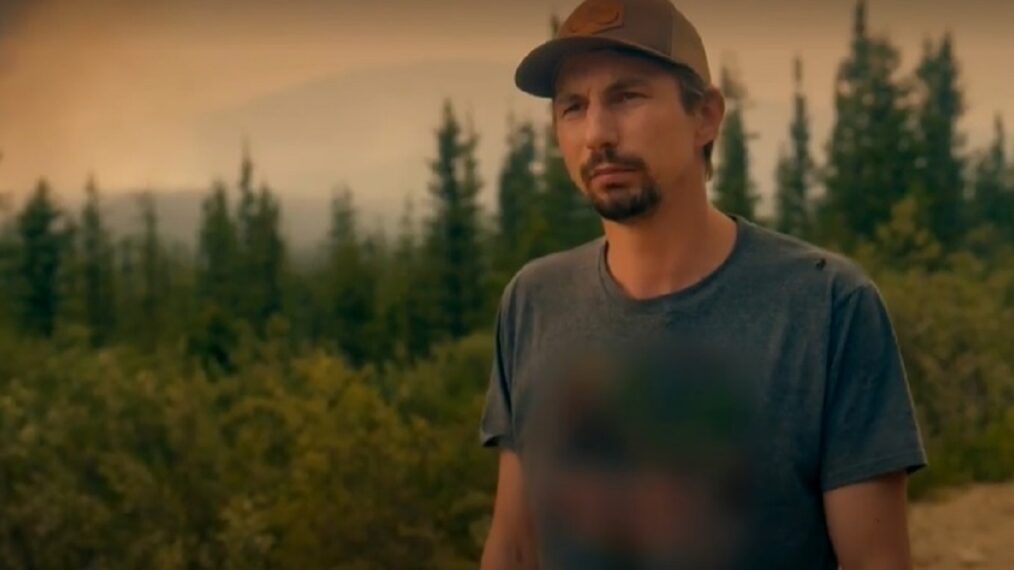
“Everywhere you look, there are fires,” one crew member observed, noting that a sudden shift in wind could instantly alter the situation. Access roads, already narrow and remote, risked being cut off if flames crossed key routes.
Nature, however, offered a temporary reprieve. A sustained period of rainfall slowed the spread of the fires, easing immediate threats and allowing the team to press ahead. With conditions stabilised, the final material at Sulphur Creek was processed, yielding what the crew described as a highly productive cleanup.
Attention then turned to one of the most complex phases of the move: transporting the wash plant components. Oversized sluice runs and heavy machinery were loaded onto trucks for the journey through forest roads and across a bridge barely wide enough to accommodate them.
The crossing proved to be one of the most tense moments of the entire operation. With less than an inch of clearance above the bridge rails, drivers inched forward under careful guidance, aware that any miscalculation could bring the move to a standstill. The equipment cleared the structure by the narrowest of margins, drawing visible relief from the crew.
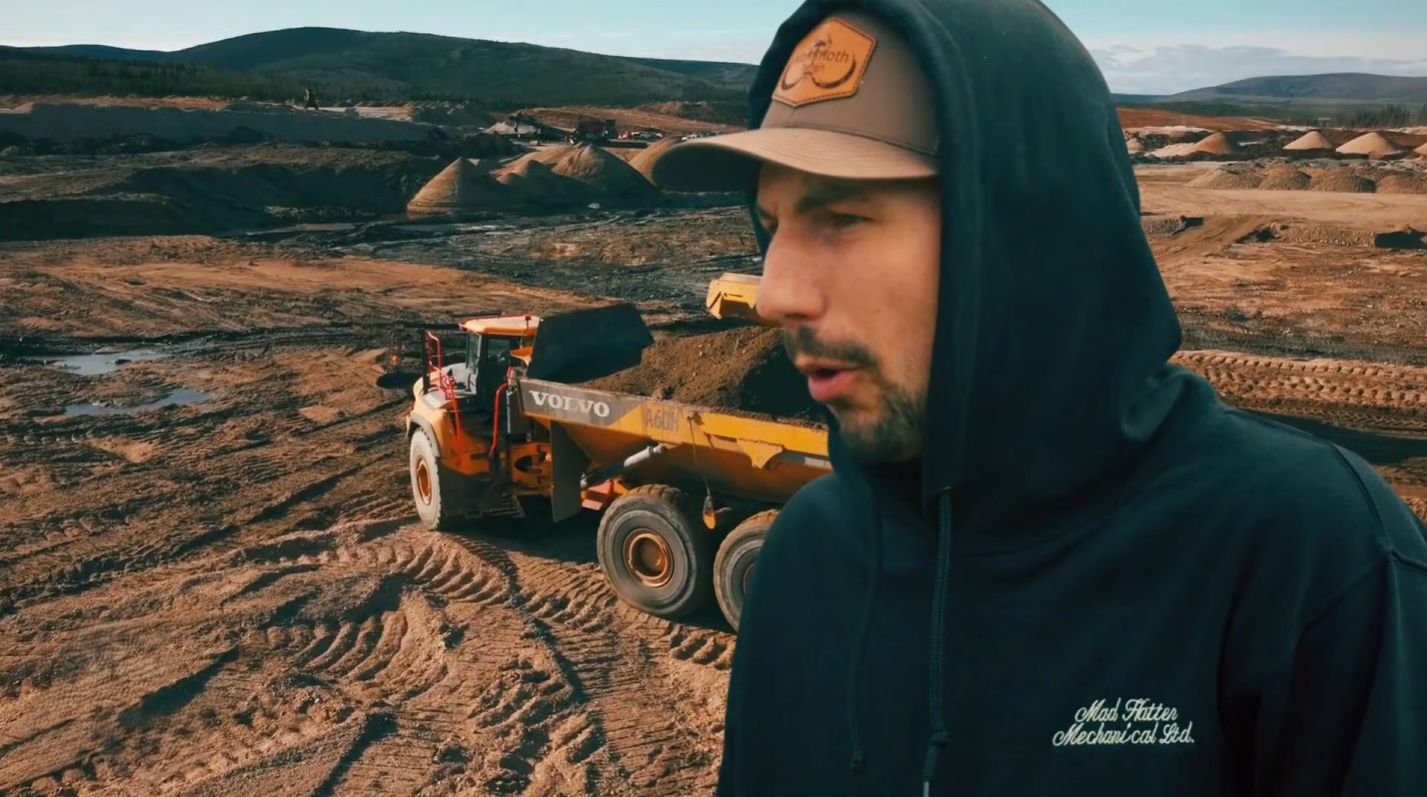
Within days, the plant was reassembled at Ken Stewart’s and brought back online — just in time for Schnabel’s return. He arrived to find gold once again flowing, praising the team for executing a complex relocation under extreme conditions.
The episode highlights the growing challenges faced by Yukon miners as climate patterns shift and wildfire seasons become more intense. For Schnabel and the crews featured on Gold Rush, it was a stark reminder that success in the north depends not only on planning and persistence, but also on the ability to adapt quickly when nature intervenes.
For now, rain has dampened the flames and operations are back underway. But as the season continues, the threat of renewed fires remains a constant presence — one that could test even the most experienced mining teams.
