Beer to Spirit: Master Distiller Contestants Take on One of the Craft’s Riskiest Challenges

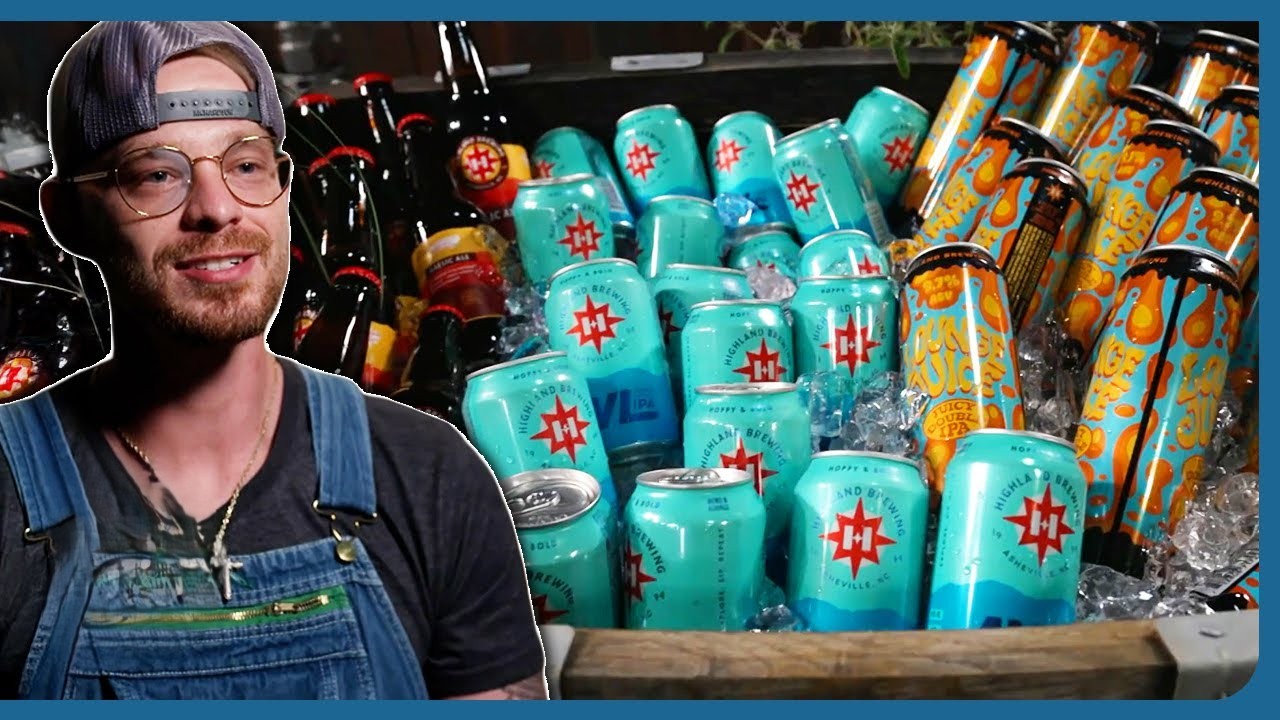
Turning beer into high-proof liquor is a practice rooted in centuries of European tradition, but on Moonshiners: Master Distiller, it became the centrepiece of a demanding modern test — one designed to separate confident distillers from truly skilled ones.
Welcoming contestants into the distillery, judges laid out the task clearly: choose from a room full of finished beers and transform them into a clean, flavour-forward spirit of at least 80 proof. The goal was not simply strength, but balance — preserving grain character while controlling the volatile oils and carbonation that make beer notoriously difficult to distil.
Beer, the world’s most widely consumed alcoholic drink, has been brewed since prehistoric times, long before hops were introduced to stabilise flavour. While surplus or spoiled beer has historically been distilled into spirits such as beer schnapps, modern craft distillers face far higher expectations. Using production beer adds cost, while hops and carbonation increase the risk of foaming, off-flavours and harsh finishes.
For contestant Tyler Butcher, the challenge marked unfamiliar territory. A contractor and self-taught moonshiner from Nashville, Butcher admitted he had never distilled beer before — but entered the room with confidence. Mixing two beer styles to balance alcohol content and flavour, he loaded both his pot and thumper, aiming for a higher proof that would give him room to make careful cuts.
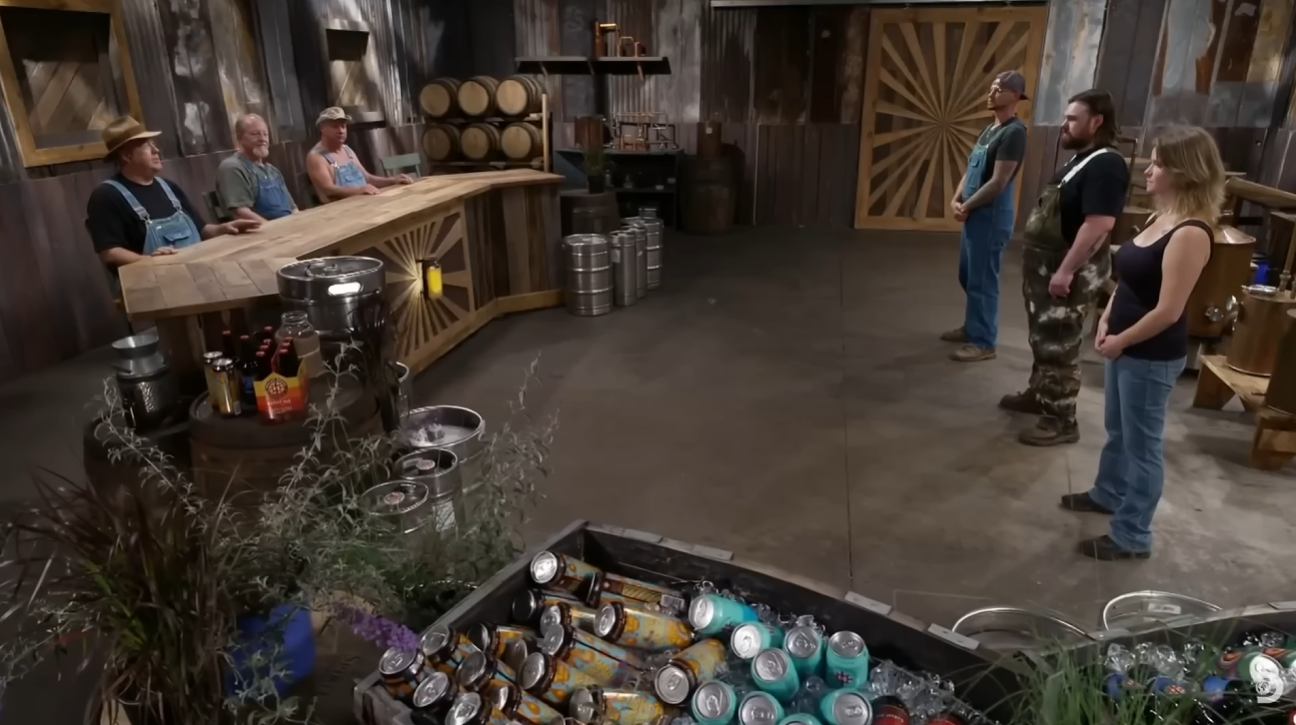
Judges warned that hops release oils early in the run, meaning patience would be critical. Running too fast could overwhelm the spirit with bitterness, while carbonation risked foaming and pushing material into the still. Several contestants slowed their runs deliberately, monitoring temperature and pressure as the hours passed.
As the clock wound down, doubts set in. Some distillers questioned their beer choices, while others focused on pulling a single clean jar to present for judging. Clarity, aroma and mouthfeel would all matter as much as proof.
When tasting began, the judges quickly noted that one entry stood out. Butcher’s spirit not only cleared the 80-proof requirement, but appeared to climb significantly higher. More importantly, it delivered a smooth, full-bodied profile with a buttery finish — a sign that grain flavours had dominated rather than being overwhelmed by hops. Subtle citrus and spice lingered in the mid-range, evidence that some hop character had survived without becoming aggressive.
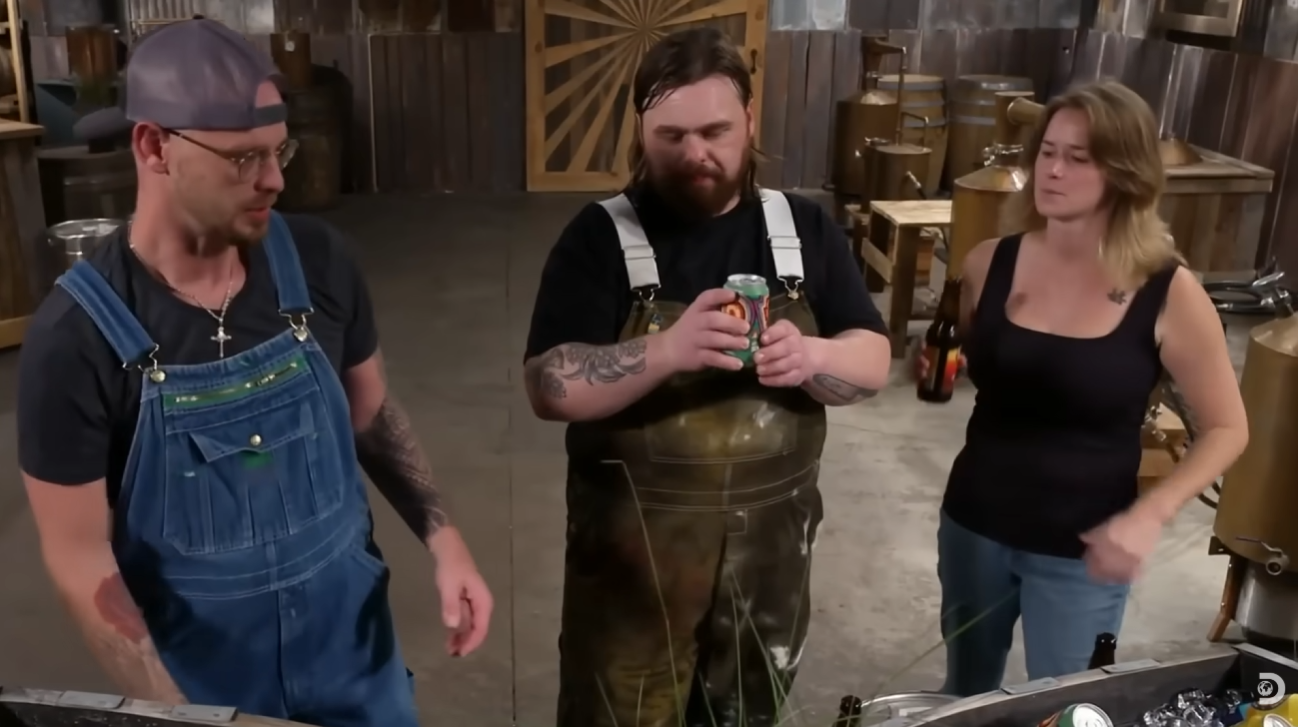
For the judges, it demonstrated exactly what the challenge was designed to reveal: technical control under pressure. Successfully distilling beer requires managing foam, pacing the run and making precise cuts — skills that cannot be rushed or improvised.
With the first round complete, the stakes rose even higher. The strongest performer would earn first choice of ingredients for the next task — transforming their spirit into a beer-based gin — while the top two would advance to create signature “beer shine” for the coveted Master Distiller title and a limited commercial release.
The challenge reinforced a core truth of the craft: whether working with grain, fruit or finished beer, great spirits are made not by shortcuts, but by discipline, patience and respect for the process.