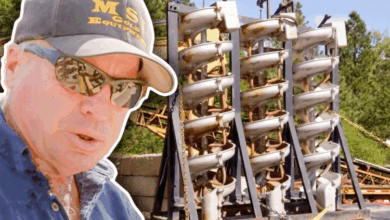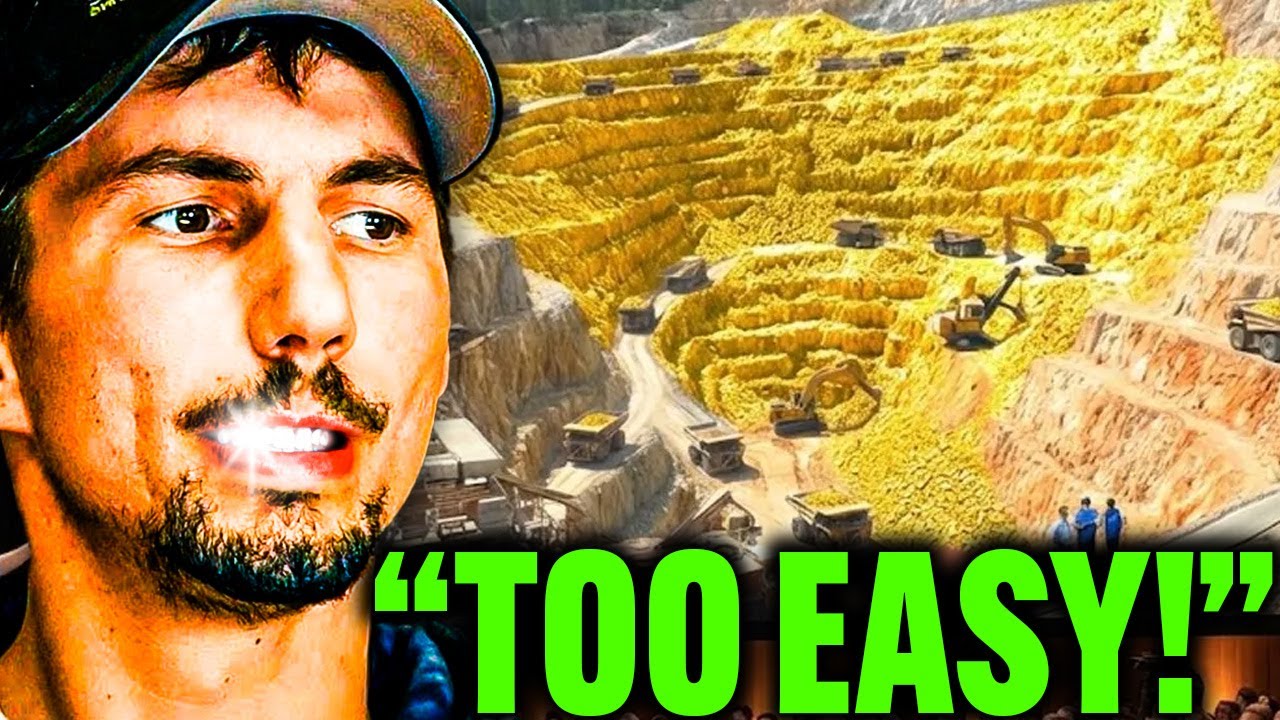
For Parker Schnabel, success in modern gold mining is no longer defined by discovery alone. With access to hundreds of acres of proven ground, the challenge has shifted from finding gold to managing complexity on an industrial scale.
At just 29, Schnabel oversees an operation spanning roughly 10,000 acres of mining claims, more than 60 pieces of heavy machinery, three wash plants, and close to 40 employees working across multiple locations. The scale is such that his business consumes more than $100,000 a day in fuel, wages, parts, and logistics — costs that continue whether gold is recovered or not.
“I didn’t buy a future,” Schnabel has said of his expansion. “I bought some time.”
That mindset shapes how the operation is run. Rather than focusing on any single cut or machine, Schnabel’s role is closer to that of an executive managing a volatile industrial system, where small decisions can have large financial consequences.
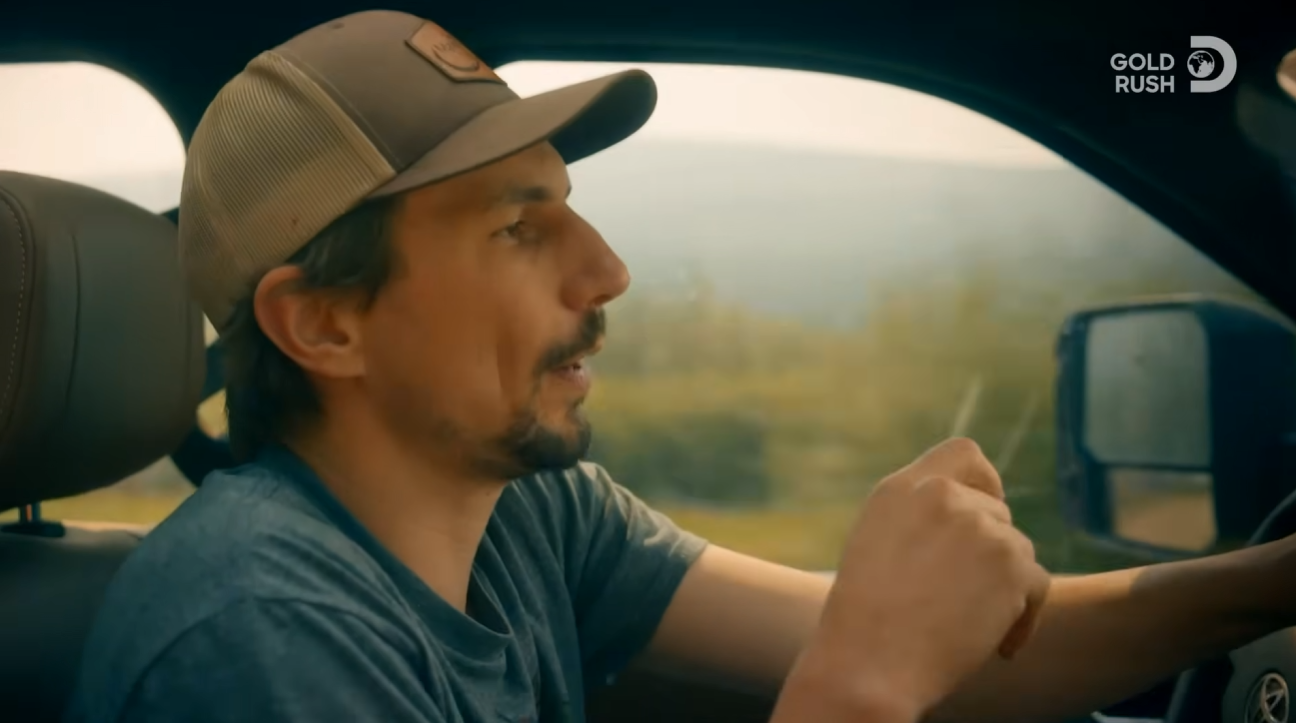
At the heart of the operation is a clear chain of command. Schnabel remains the final decision-maker, but the day-to-day coordination falls to his mine manager, who tracks fuel usage, crew deployment, maintenance schedules, and cash flow. With three active sites running simultaneously, centralised oversight is essential.
“You cannot be everywhere at once,” Schnabel has acknowledged. “You need people you trust to be your eyes and ears.”
Each day typically begins with operational briefings. One morning may involve reassigning a stripping crew that is about to finish its current job. Another may require selling gold simply to keep cash moving through the business. Gold locked in a safe may represent success on paper, but it does not pay for diesel, spare parts, or wages.
From there, Schnabel begins what his crews describe as the “inspection circuit”. Rather than managing from an office or relying solely on radio updates, he physically visits each site, walking the ground and speaking directly with crew leaders. The process is time-consuming and exhausting, but it provides information that cannot be captured remotely.
Mining conditions change rapidly. Pay layers thin without warning. Clay can reduce recovery rates. Equipment can fail at any moment. Seeing these variables first-hand allows Schnabel to make informed decisions in real time.
At Slaughterhouse Creek, one of the season’s strongest producers, the issue was not recovery but time. Exposed pay dirt was running low, threatening to idle a wash plant within days. A stationary plant can cost around $12,000 a day in lost output, making delays costly.
Scribner Creek posed a different problem. There was plenty of exposed ground, but heavy clay reduced processing efficiency. Sending more stripping crews there would only expose additional material that the plant struggled to handle.
Dominion Creek presented the most difficult decision. Test pans revealed virgin ground untouched since the Klondike gold rush more than a century ago. The potential returns were significant, but accessing it required removing nearly 40 feet of overburden — a process that would take weeks and divert key crews from other sites.
This forced a choice between short-term stability and longer-term opportunity. Keeping crews at Slaughterhouse would preserve steady output but limit growth. Redirecting them to Dominion would reduce production elsewhere and strain cash flow.
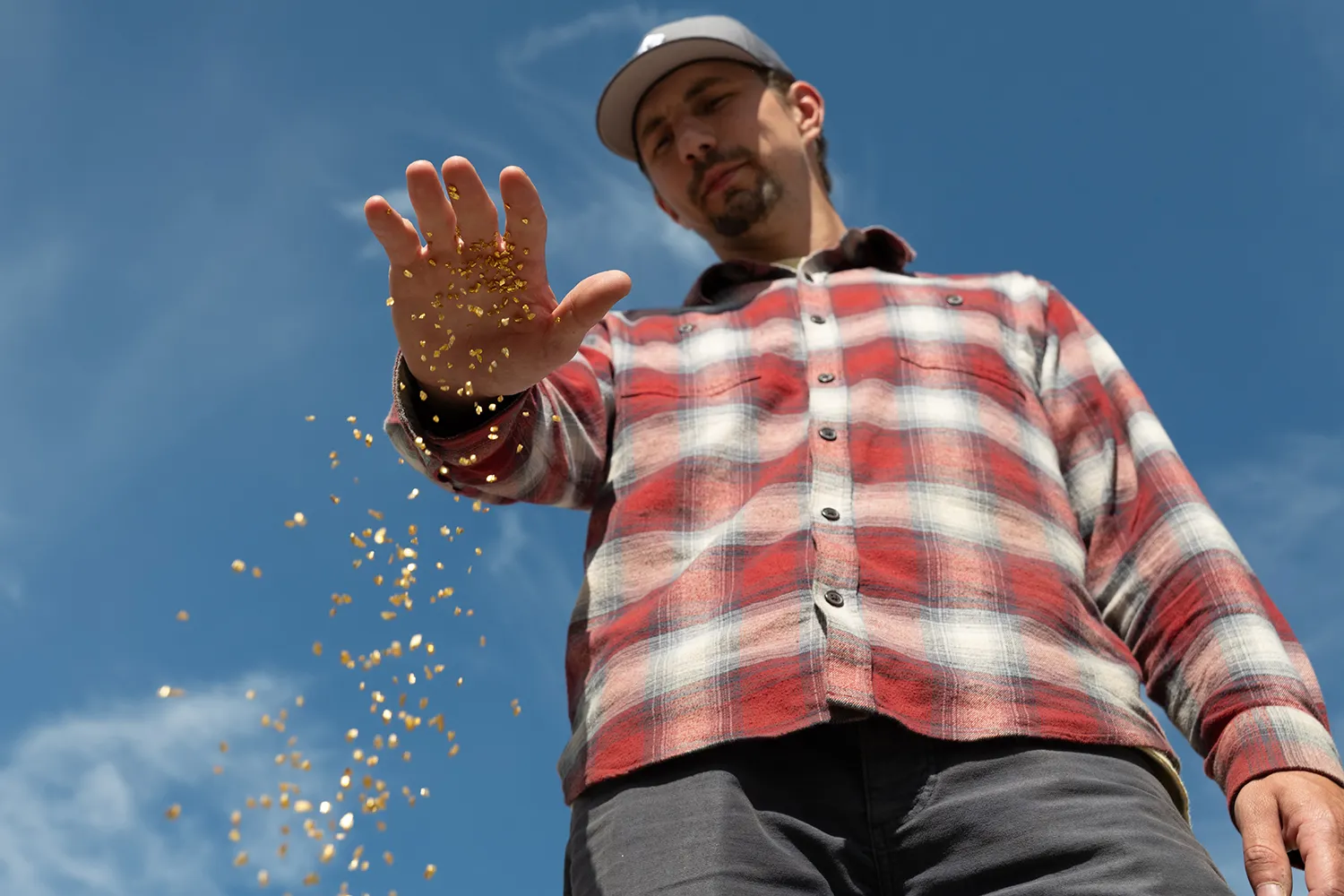
After weighing the data, Schnabel authorised the move to Dominion.
Weeks later, the first full run of Dominion pay dirt delivered more than 400 ounces in a single week from one wash plant, validating the decision. The temporary slowdown at other sites was offset by the scale of the return, putting Dominion on track to outperform established operations.
“That’s the call that makes a season,” Schnabel said quietly as the figures came in.
The result did not bring relief. The following morning brought new issues: equipment failures, parts delays, and fresh crew assignments. In an operation of this size, progress does not eliminate pressure — it resets it.
What separates Schnabel’s operation from many others is not luck or sheer effort, but structure. Trusted managers, constant on-site verification, disciplined cash management, and the willingness to decide with incomplete information have allowed the business to expand while remaining operational.
With Dominion now producing strongly, Schnabel is tracking toward one of his largest seasonal totals. But as he readily acknowledges, tomorrow will bring new variables.
In large-scale mining, stability is temporary. For Parker Schnabel, leadership is tested not once a season, but every single day.