Oak Island Investigation Reveals Possible Evidence of a Historic Hauling Route


Fresh discoveries on The Curse of Oak Island are prompting renewed questions about the scale and purpose of activity on the island long before the Money Pit was discovered in 1795.
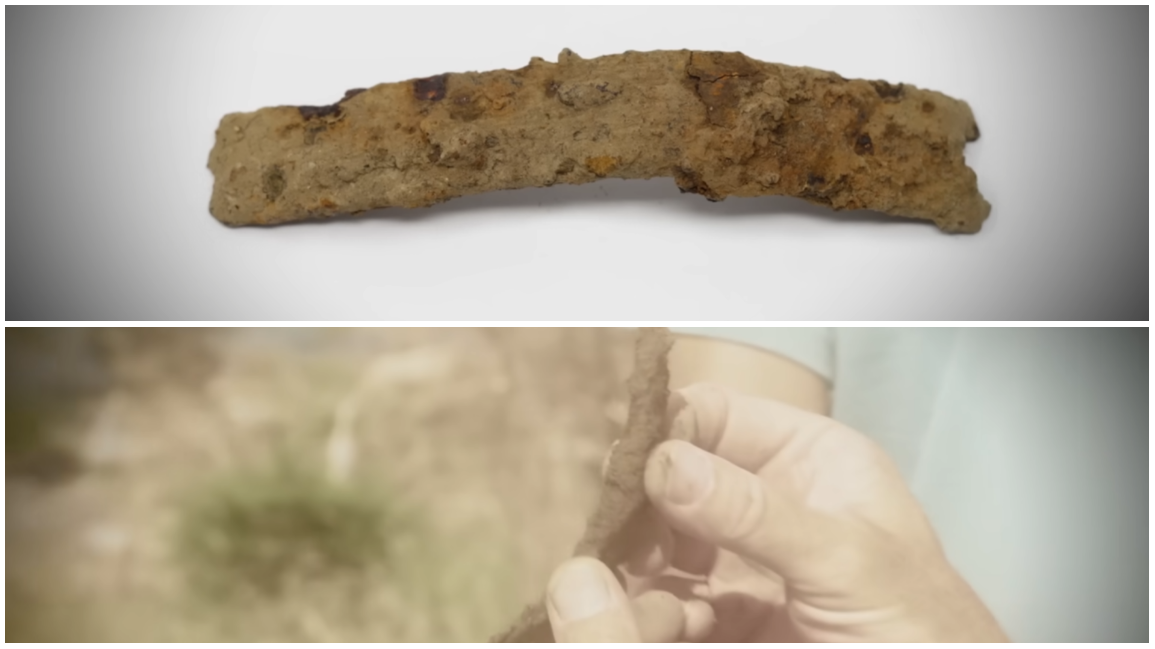
During recent metal-detecting work on Lot 26 and Lot 15, Gary Drayton, working alongside members of the fellowship, uncovered a series of iron artefacts that may point to an organised transport operation across the island. The finds include multiple ox shoes of varying sizes and designs, recovered from areas with no known history of traditional farming.
The initial search focused on land once owned by Samuel Ball, a former enslaved man who became one of the wealthiest residents in Nova Scotia during the early 19th century. Ball’s financial success has long intrigued historians and Oak Island researchers, with some suggesting his land holdings may conceal clues to earlier industrial or commercial activity.
Using a high-powered GPX 5000 metal detector fitted with a large coil capable of reaching depths of up to six or seven feet, Drayton identified a strong signal that led to the recovery of a small but well-preserved ox shoe. The artefact’s size and condition immediately raised interest, particularly given its proximity to other similar finds recovered elsewhere on the island.
Attention later shifted to Lot 15, where Drayton joined Rick Lagina in an effort to trace a potential route between the swamp and the Money Pit. The team has previously identified a stone road and cobbled features in the swamp, believed to pre-date known settlement on the island.
Recent changes in heritage regulations now require metal-detecting targets to be flagged and approved by archaeologists before excavation. While this process has slowed progress, Lagina acknowledged it reflects growing recognition of the site’s historical significance following earlier discoveries.
Despite the added restrictions, further ox shoes were recovered along a consistent line, strengthening the theory that animals were used to haul heavy loads between key locations on the island. Drayton noted that ox shoes are often associated with transport routes rather than isolated activity, particularly when found in clusters or linear patterns.
To better understand the artefacts, Alex Lagina and Jack Begley consulted blacksmithing expert Carmen Legge in Centreville, Nova Scotia. Legge identified several of the ox shoes as dating back to the early 1700s, potentially more than 150 years before the Money Pit’s discovery. He also noted differences in seasonal use, suggesting sustained activity rather than a short-term effort.
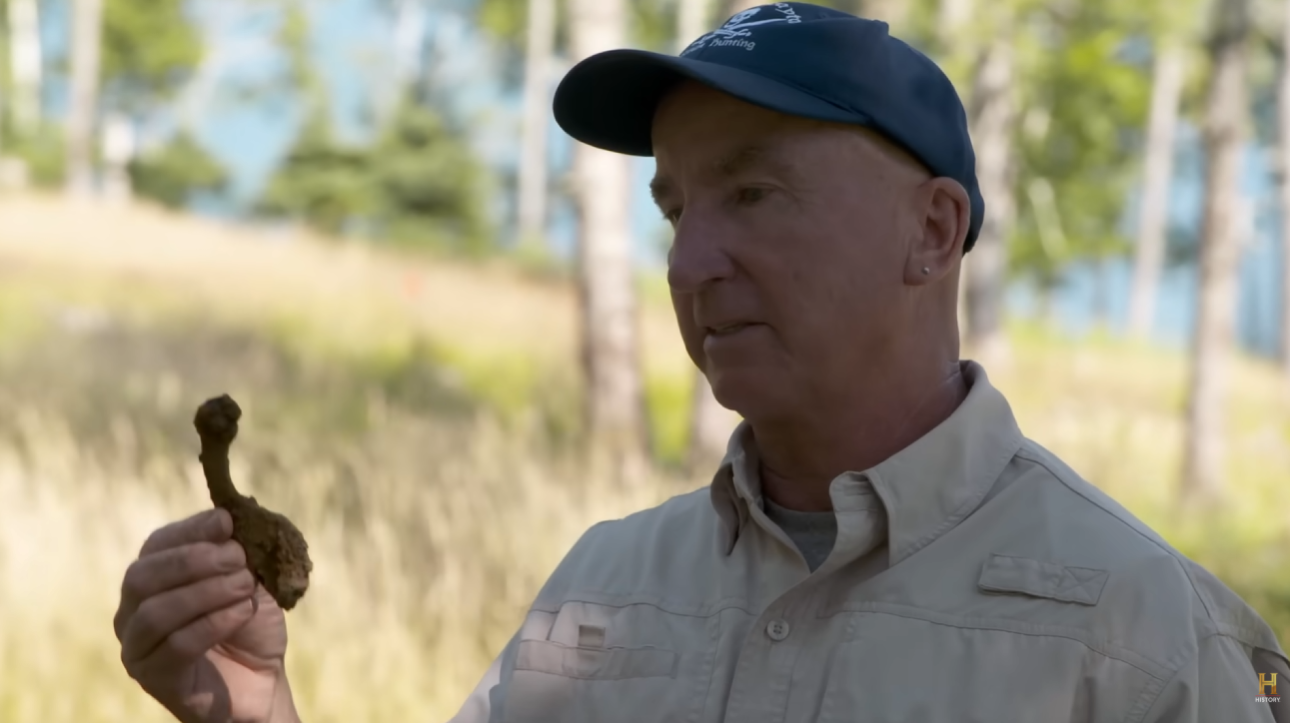
The presence of ox shoes from multiple origins — including British, French, and German styles identified in previous seasons — has added weight to the idea of a prolonged industrial or military-scale operation. Legge suggested that the finds indicate work carried out across different seasons, consistent with long-term construction or transport efforts.
Additional iron objects, possibly linked to harness equipment, were also recovered near the suspected route. These heavier fittings further support the theory that oxen were used to move cargo from the swamp inland toward the Money Pit area.
Taken together, the discoveries point to a structured pathway or trackway running between the swamp and inland features on Lot 15. If confirmed, this could help explain how large stone structures were constructed and how materials were moved across difficult terrain before modern tools existed.
While the findings do not provide definitive answers about who carried out the work or what was being transported, they reinforce the idea that Oak Island was the site of organised, labour-intensive activity well before documented settlement. For the team, the growing pattern of artefacts suggests they may be closer to understanding how the island was used — even if the ultimate purpose remains unresolved.
As Rick Lagina put it during the investigation, the challenge now is not simply finding artefacts, but placing them in context. On Oak Island, each small piece of iron may be part of a much larger story.