Steering Failure Leaves Captain Jake Anderson Fighting to Keep His Vessel Safe in the Bering Sea

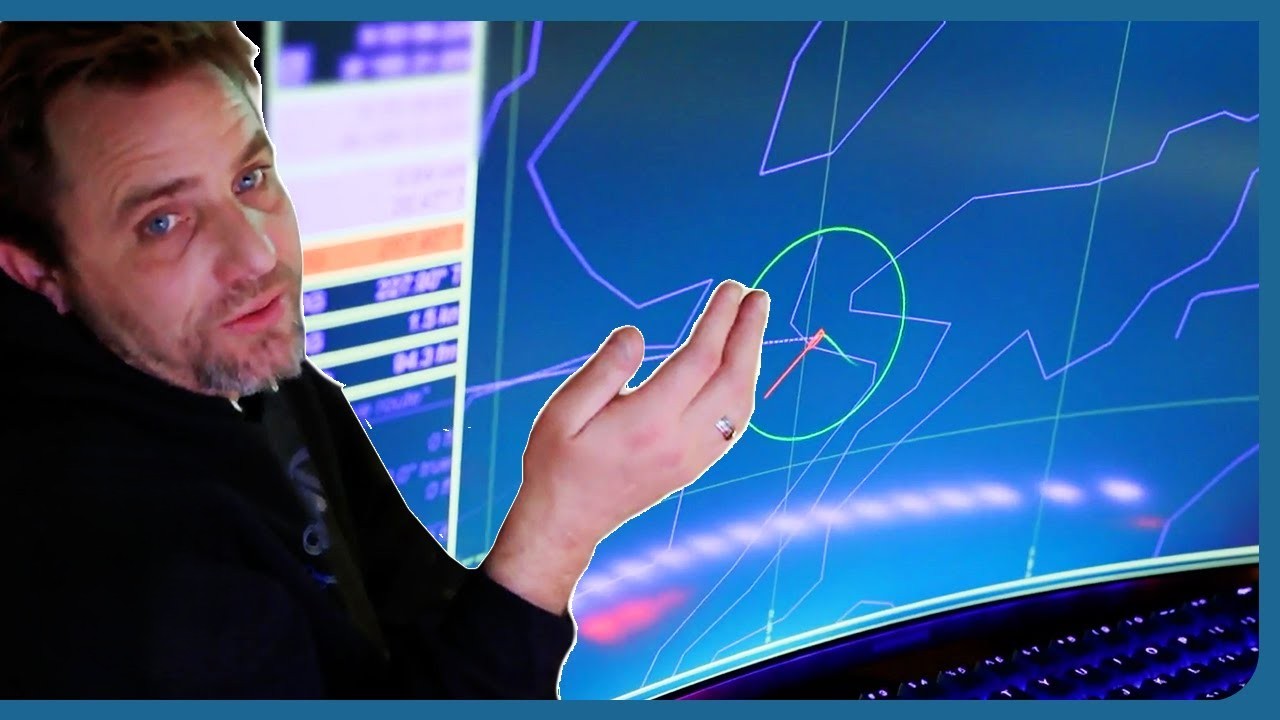
Mechanical reliability can be the difference between profit and peril in the Bering Sea, and for Deadliest Catch captain Jake Anderson, that reality became clear when a critical steering failure struck far from help.
Aboard the Titan Explorer, Anderson was forced to halt operations while waiting for emergency repairs to the solenoid and directional valve connected to the vessel’s rudder system. The component controls the hydraulic rams that allow the boat to steer — a failure that, in rough seas, can quickly escalate into a serious situation.
After switching from Opilio crab to a higher-value quota, Anderson was chasing a target haul of 400,000 pounds, valued at roughly $2.8 million. But before he could resume fishing, he found himself idling in 15-foot seas while engineers worked to restore basic control of the vessel.
Initial repairs appeared successful. Steering to port and starboard briefly returned, allowing Anderson to move off and begin hauling pots again. Within moments, however, the system failed completely for a second time — leaving the boat unable to turn in either direction.

“It’s dangerous to be out here without steering,” Anderson said, acknowledging that his safety and the crew’s depended entirely on restoring control. With no other fishing vessels within 100 miles, options were limited. A tow from such a remote location could cost upwards of $10,000, assuming assistance was even available.
Complicating matters further, attempting additional electrical repairs carried the risk of overheating or fire. Anderson was forced to consider alternatives rarely discussed outside maritime circles — including using engine throttles alone to influence the vessel’s direction, a technique sometimes relied upon by trawlers when steering systems fail.
Monitoring engine output carefully, Anderson tested whether differential throttle control could provide limited manoeuvrability. While the vessel could turn slowly to starboard, turning to port proved far more difficult due to wind and current.
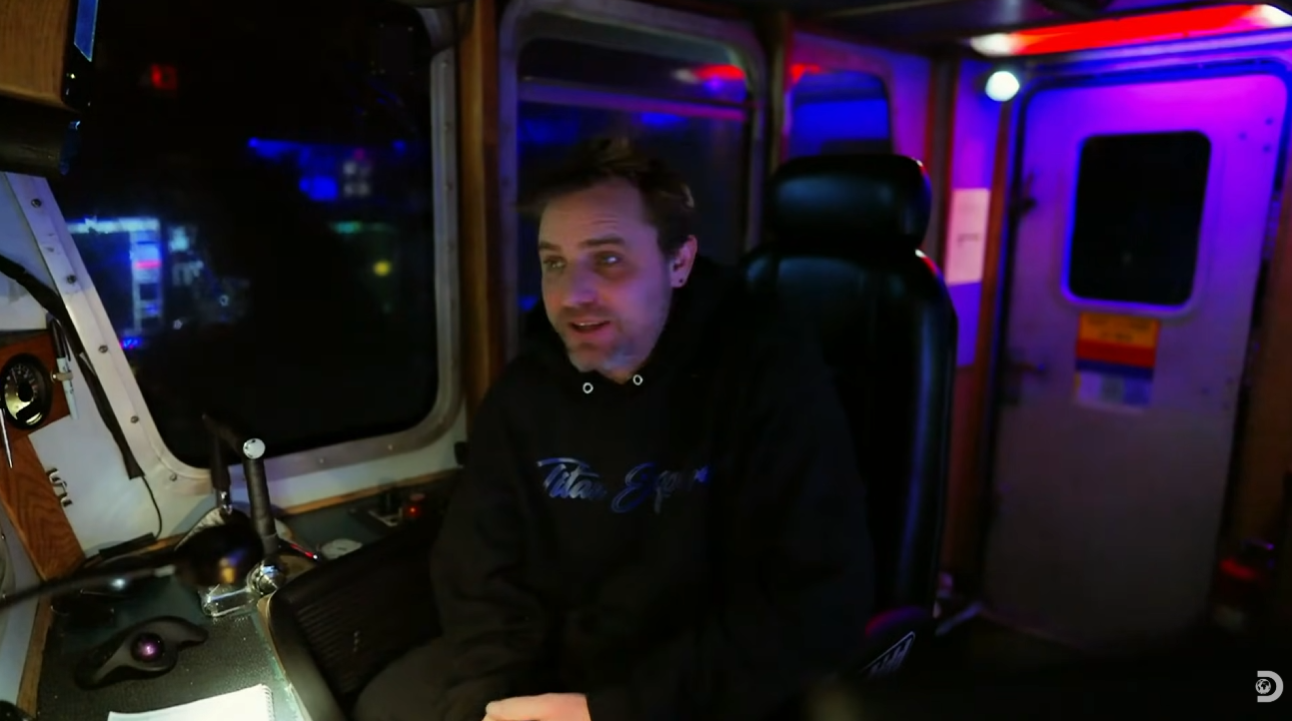
“There are stories of boats crossing the Gulf using throttles only,” Anderson reflected. “You don’t plan for it — but you keep it in mind.”
The episode highlighted the thin margin between routine fishing and crisis in one of the world’s most demanding environments. With millions of dollars in quota at stake, the immediate concern was no longer catch totals, but whether the Titan Explorer could safely make it home.
For Anderson, the incident served as a stark reminder that even after decades in the fleet, the Bering Sea remains unforgiving. Equipment can fail without warning, assistance can be days away, and captains are often left to solve problems alone.
As the vessel slowly regained partial control, Anderson faced the same calculation every crabber eventually confronts: how to balance risk, safety, and responsibility to crew when the sea offers no easy answers.