
For the first time in his mining career, Parker Schnabel has brought four wash plants online at once — a scale of operation that marks the most demanding phase of his time in the Klondike.
The move is not a routine expansion, nor a mid-season adjustment. It represents a calculated escalation, driven by high gold prices, favourable summer conditions, and a narrow window in which to extract as much ground as possible. With a season target of 10,000 ounces, Schnabel has committed to an approach that leaves little room for delay or mechanical failure.
Just ten weeks into the season, Schnabel’s operation has already produced an estimated $15m worth of gold. While substantial by any standard, it represents only part of his broader objective. With long daylight hours finally established, he has shifted his entire mining network into what crew members describe as sustained maximum output.
Four Fronts, One Clock
Running four wash plants simultaneously places extraordinary pressure on logistics, personnel, and equipment. Even seasoned Klondike operations rarely attempt to manage more than two or three plants at once. For Schnabel, the challenge is multiplied by the geographic spread of his ground.
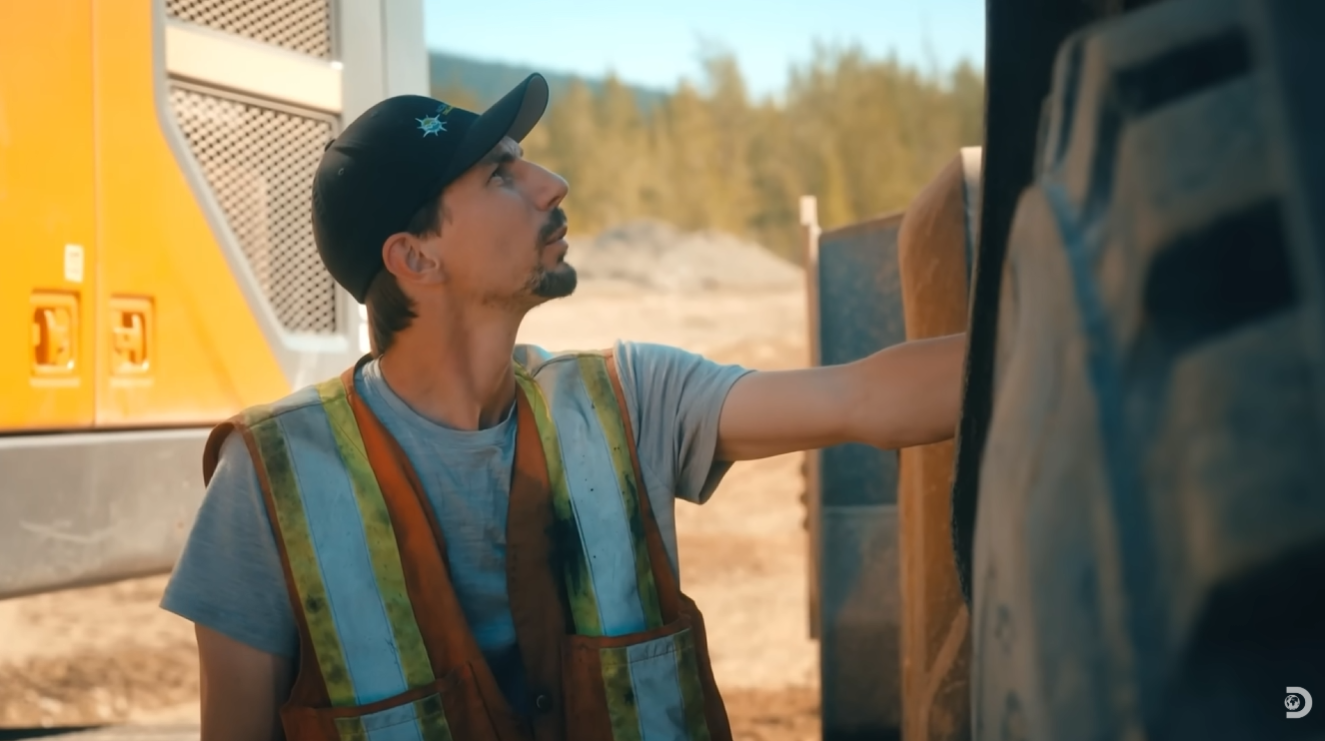
At Roxanne, Mitch Blaschke and Brennan Ruault oversee one of the key production fronts, working rapidly to keep fresh pay moving. Any interruption there would send delays rippling across the wider operation.
The centre of activity, however, remains Dominion Creek, where two wash plants run continuously under the supervision of foreman Tyson Lee. Lee has taken on one of the most demanding leadership roles of the season, coordinating crews, haul routes, repairs, and safety across an operation that rarely pauses.
The workload has been relentless. Schnabel himself has been working 15- to 16-hour days, moving constantly between sites to manage issues before they escalate. With four plants dependent on uninterrupted dirt supply, even minor setbacks carry immediate consequences.
Reviving an Old Workhorse
Rather than easing pressure, Schnabel opted to intensify it further by reviving Big Red, a wash plant that had been sidelined after a severe breakdown the previous season. Many operators would have written the machine off, given its age and history of damage. Schnabel saw an opportunity.
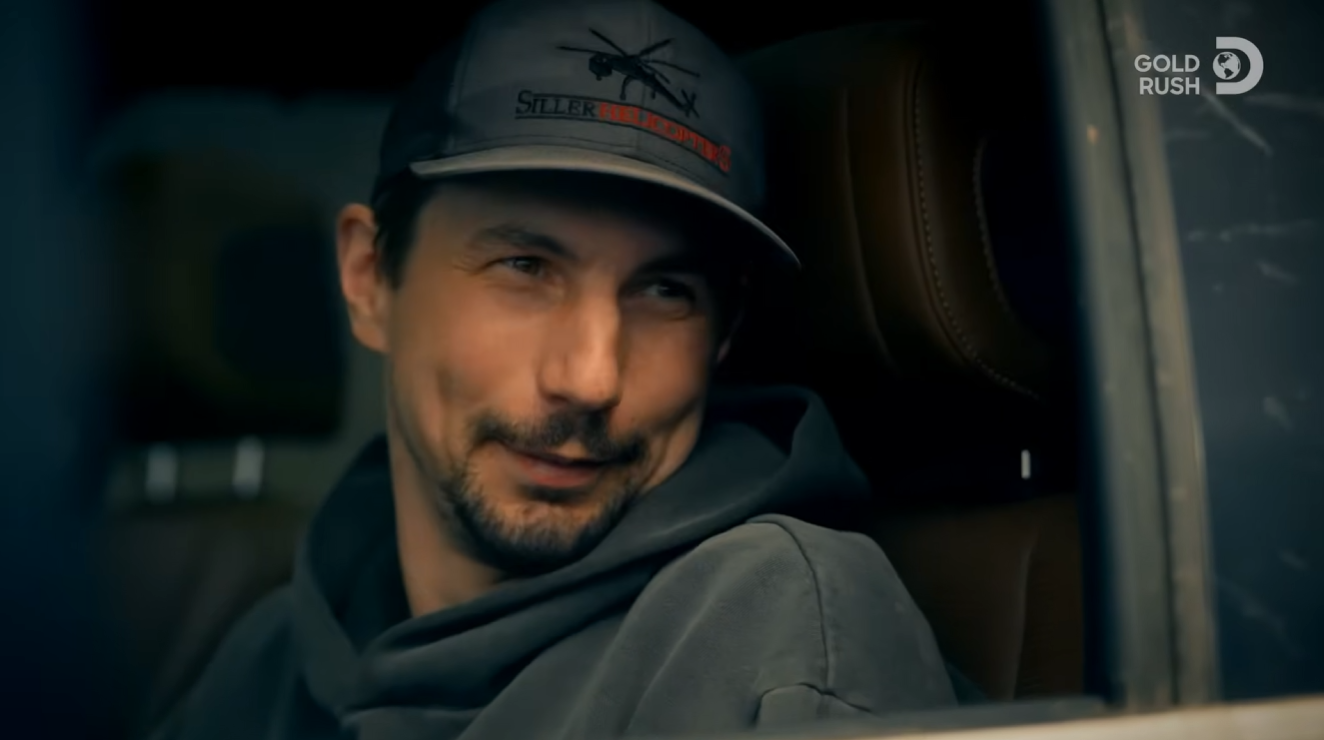
With one plant, Sluicifer, nearing the end of its cut on the Golden Mile, the plan was ambitious: relocate it immediately to fresh ground while simultaneously bringing Big Red back into service alongside it. The mechanics were cautious. Rebuilding the plant required precise alignment of heavy components, with no tolerance for error.
The rebuild stretched late into the night. Screens were replaced, steel reinforced, and systems tested under constant time pressure. Exhaustion became unavoidable, but stopping was not considered an option with valuable weeks slipping away.
A Narrow Margin for Error
The final setup resembled a complex industrial puzzle. Conveyors, sluice runs, and stackers had to be positioned with exact accuracy. When Big Red finally restarted, the moment carried symbolic weight for the crew — confirmation that the plan could work.
That confidence was tested almost immediately when a main water line failed, forcing a shutdown moments after start-up. The response was swift. The crew reinforced the line on-site, cleared blockages, and restarted the plant without waiting for replacements.
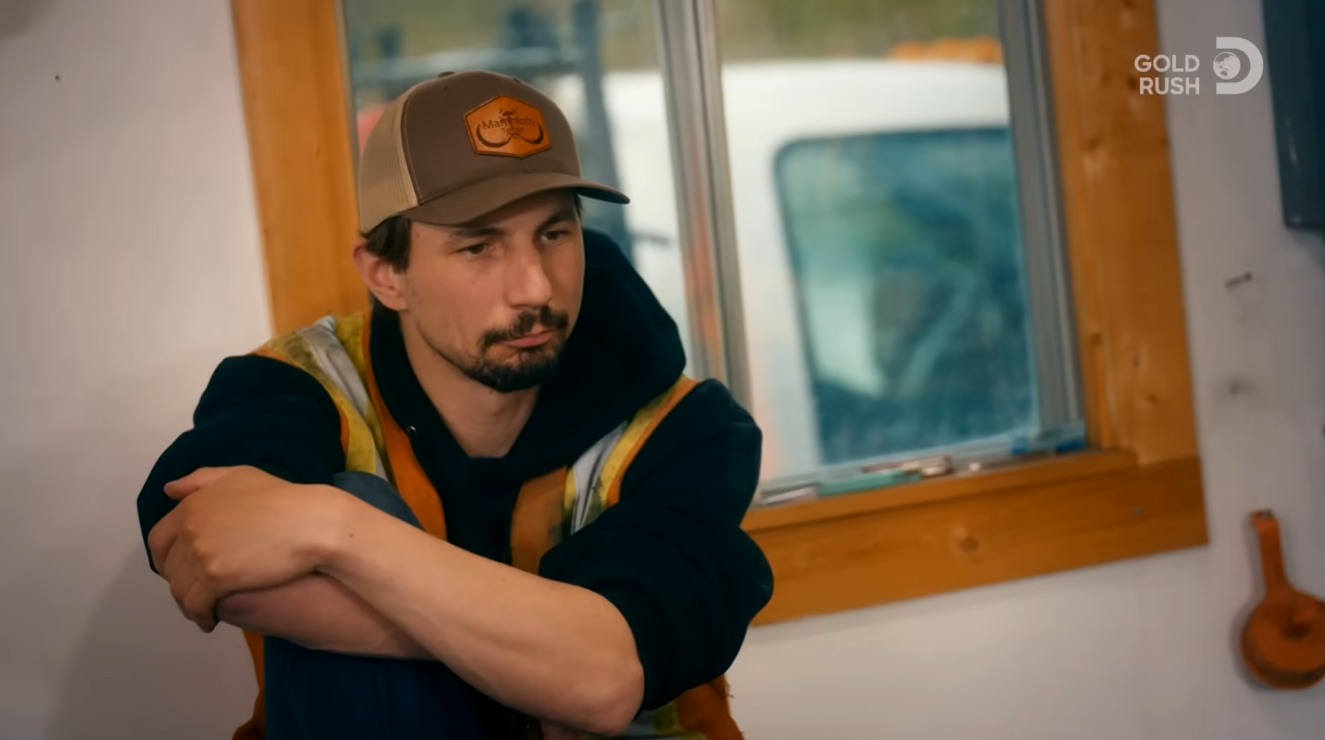
This time, the system held.
With all four wash plants finally running in parallel, Schnabel’s operation reached a level of throughput he has never previously achieved. Dirt began moving at unprecedented volume, and gold production followed.
Leadership Under Strain
Success has come at a visible cost. Crew fatigue is widespread, particularly among those coordinating multiple sites. Schnabel himself has acknowledged the strain, noting the physical and mental toll of maintaining such an aggressive pace.
Yet the results are difficult to ignore. With four plants running flat out, the path toward the season’s target is clearer than at any point before.
Whether the operation can sustain this intensity through the remainder of the season remains uncertain. In the Klondike, breakdowns, weather, and exhaustion can shift outcomes quickly.
For now, however, Schnabel’s most demanding strategy to date is delivering — and redefining the upper limits of what a modern placer mining operation can handle in a single season.
