
The Curse of Oak Island has entered a pivotal phase as new discoveries at Smith’s Cove and the Garden Shaft reshape the direction of the long-running investigation led by Rick Lagina and Marty Lagina.
During recent work at Smith’s Cove, testing revealed traces of gold in the surrounding water, a development that immediately caught the team’s attention. While not evidence of a single cache, specialists involved in the project say such readings can point to sustained human activity rather than a random geological occurrence. For the Lagina brothers, the results strengthened the case that valuable material may be present somewhere within the island’s complex underground system.
Encouraged by the findings, the team expanded its focus beyond earlier targets. Attention soon turned inland, where progress at the Garden Shaft has accelerated. Originally sunk decades ago, the shaft has been stabilised, cleared of debris and reinforced, allowing investigators to reach depths not previously accessible in modern times.
It was here that one of the season’s most striking discoveries emerged: a hand-carved wooden ladder descending into a dark, water-filled passage. Experts examining the ladder noted tool marks consistent with careful craftsmanship rather than modern construction. Its preservation suggests it was sealed away from the elements for a very long period, raising questions about who built it and why.

For the team, the ladder is significant not simply as an isolated artefact, but as evidence of organised activity beneath the island. “This is proof that someone was moving vertically through this area on purpose,” one researcher observed. “You don’t build a ladder like this unless you expect it to be used.”
A promising target underground
Parallel to the shaft work, drilling operations have concentrated on an area identified through geological and water-sample analysis. Researchers Ian Spooner and Michel Bouillon helped narrow the focus to a zone west of the Garden Shaft, informally dubbed “the Blob,” and later refined to a smaller section known as the “Baby Blob”.
Borehole DN-11.5 was drilled into this zone, reaching depths between 78 and 88 feet. At around 90 feet, the drill unexpectedly broke into an open space measuring roughly 1.5 feet in height. The discovery of a void immediately prompted a pause in operations as the team assessed its significance.
Core samples taken from the area contained fragments of worked wood, suggesting the open space may be part of a tunnel or chamber rather than a natural cavity. Laboratory analysis later indicated elevated levels of gold associated with the sample, reinforcing the possibility that the void is linked to nearby activity detected in the water tests.
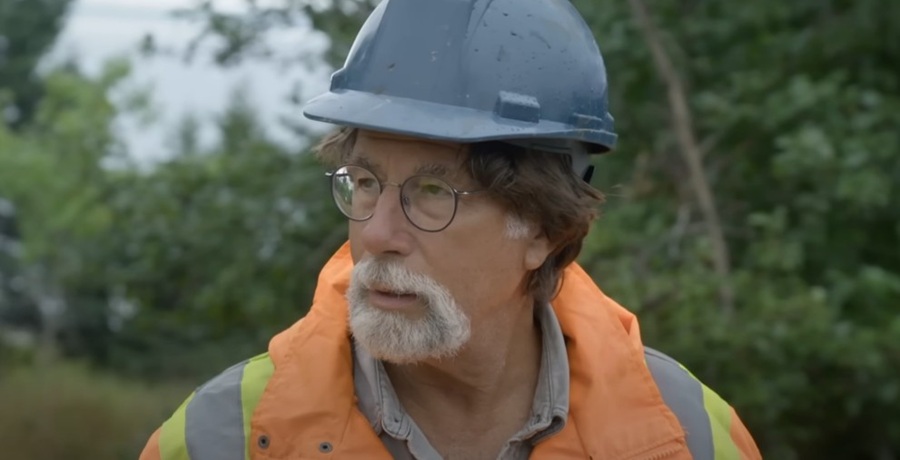
Interpreting the island’s past
At the Oak Island Interpretive Centre, metallurgical specialist Emma Culligan reviewed the findings with the team. While careful not to draw premature conclusions, she confirmed that the material showed characteristics consistent with prolonged human presence.
Elsewhere on the island, exploration continues to add context. On Lot 26, a stone wall uncovered by Rick Lagina and Peter Romkey suggests structured activity beyond the central dig sites. The team has also revisited the extensive records left by surveyor Fred Nolan, including notes on unusual formations such as Nolan’s Cross and a puzzling four-sided structure referred to as the “quadrilateral”.
Nolan’s son, Tom, has shared additional sketches and observations, including references to an old well containing fragments of pottery. Together, these elements point toward repeated use of the island over an extended period rather than a single, isolated event.
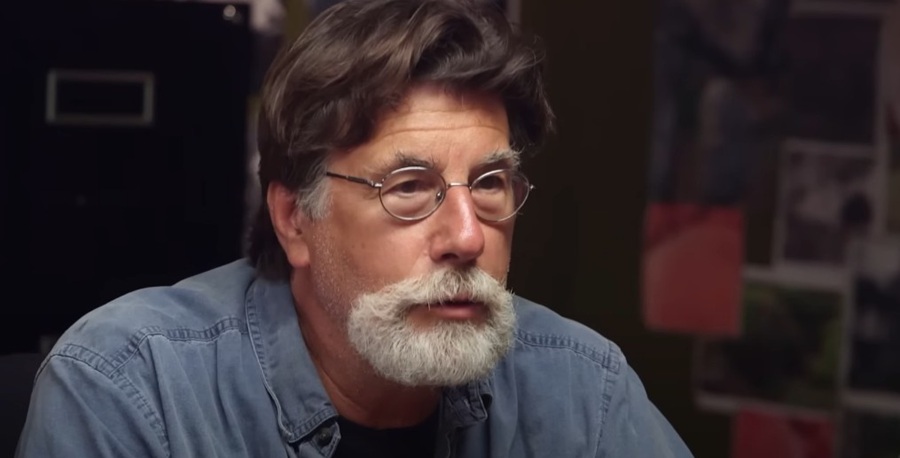
Legend and method
Oak Island’s enduring appeal lies in its blend of legend and investigation. Stories surrounding the Money Pit have circulated for more than two centuries, accompanied by a long-standing tradition involving seven lives and the resolution of the mystery. While such tales form part of the island’s folklore, the current team has consistently emphasised data-driven research over myth.
Advanced drilling, water chemistry, and geological modelling now guide decisions that once relied on intuition alone. The involvement of specialists such as Dumas Contracting has also improved safety and precision, allowing work to continue in areas previously considered too unstable.
A cautious optimism
For Rick and Marty Lagina, the combination of gold traces, engineered voids and preserved wooden structures represents meaningful progress rather than a final answer. Each find raises new questions about the island’s function and the people who once worked beneath its surface.
The search, they insist, is no longer about a single prize. It has become an effort to understand Oak Island’s role in a much larger historical story—one written in wood, stone and water rather than simple legend.
As drilling continues and analysis deepens, the team believes they are closer than ever to explaining why this small island has drawn so much attention for so long. Whether it ultimately yields treasure, history, or both, Oak Island continues to reward patience with discovery.
