Jake Anderson’s Defining Season: Risk, Responsibility and the Fight to Stay at the Helm

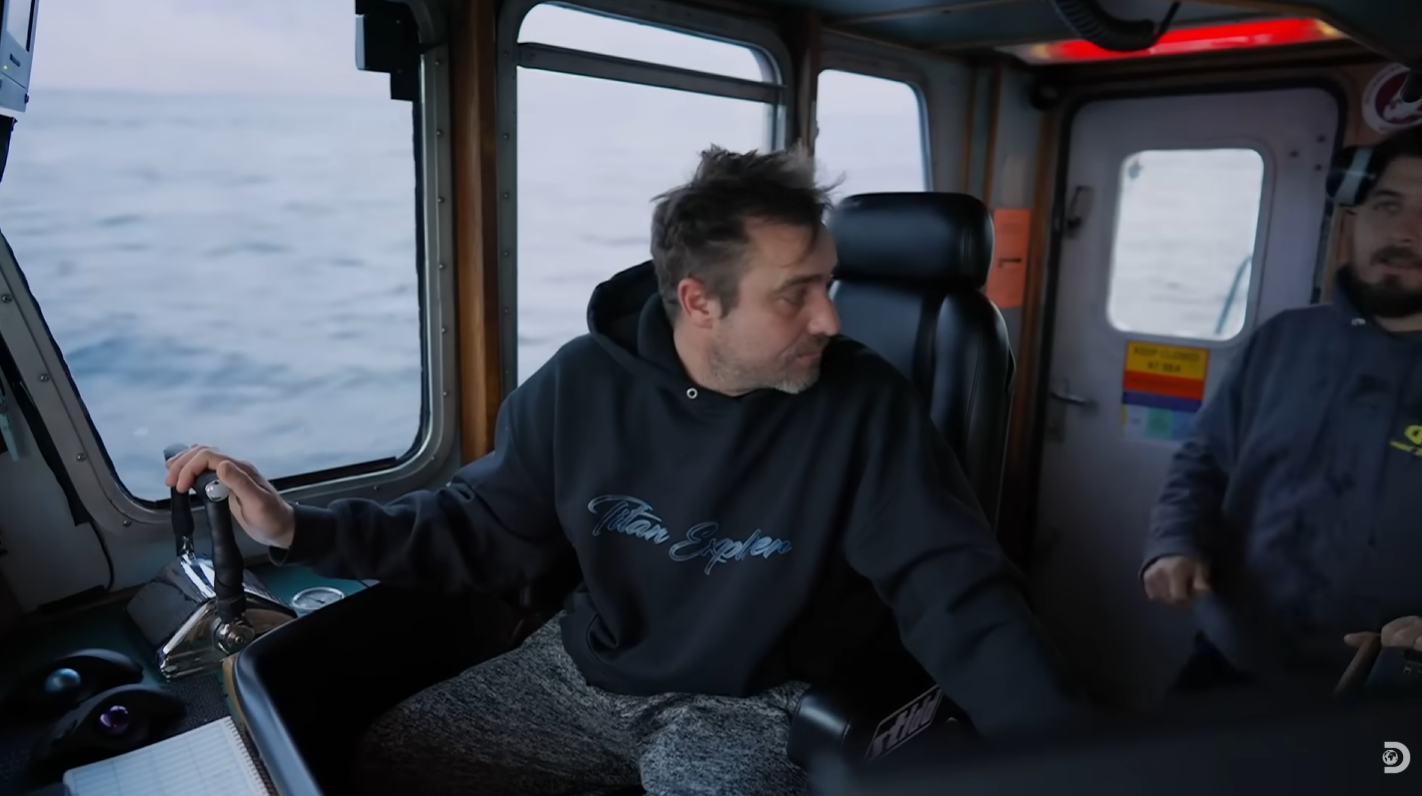
For Jake Anderson, this season of Deadliest Catch has been less about chasing crab and more about survival — professional, financial and emotional.
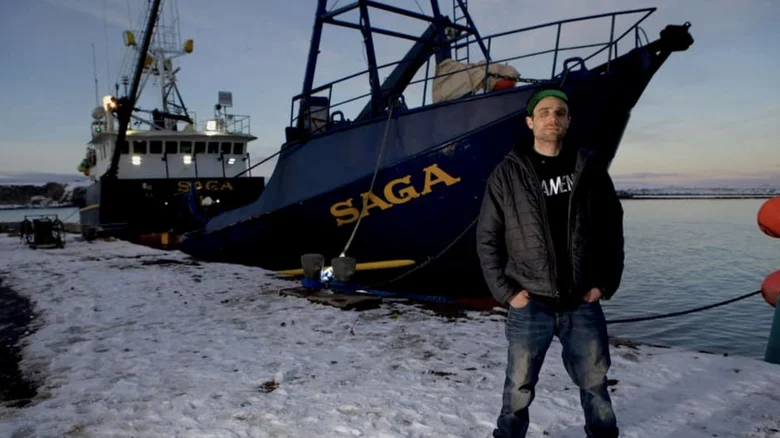
What began as an opportunity to reclaim control of his career quickly spiralled into a sequence of crises that left Anderson questioning everything he had worked toward. After years rising from greenhorn to captain, he found himself locked out of his own vessel, the Saga, staring at a repossession notice he did not understand. With personal savings and his children’s future tied up in the boat, the sudden loss cut deeper than any mechanical failure.
The setback could have ended his season. Instead, it forced a pivot.
Anderson accepted an offer to take the helm of the Titan Explorer, a larger, faster and more technologically advanced boat — but with none of the security of ownership. He was no longer building something of his own. He was a hired captain, aware that one poor decision could end his run.
“I’m starting over,” Anderson admitted. “And I can get fired at any moment.”
From the outset, the pressure was relentless. The Titan Explorer promised speed and capacity, but it also demanded precision. Anderson pushed the vessel hard, testing limits as he raced to make up lost time in the king crab season. Early confidence gave way to harsh reality as systems began to fail one by one.
First came lighting issues. Decades-old sodium lights failed during night hauling, plunging operations into near darkness. Without proper illumination, finding buoy bags became dangerously difficult. Anderson and his crew improvised, jury-rigging LED lights to keep fishing while knowing visibility was compromised.
Then came steering problems.
While hauling gear in rough seas, Anderson lost directional control — the most fundamental function of any vessel at sea. With steering systems down and no nearby boats to assist, he was forced to consider the unthinkable: navigating open water using throttles alone. Every choice carried consequences measured not in money, but in safety.
“It’s dangerous as hell,” he said plainly. “Your life depends on those two directions.”
All of this unfolded against a backdrop of personal strain. Anderson marked the birthday of his late uncle Nick — the man who gave him his first real chance in fishing — while still at sea, pushing through exhaustion and grief. Later, he led a memorial at sea, lowering a pot in Nick’s honour, a quiet moment that underscored how deeply intertwined family and fishing remain in his life.
Despite setbacks, Anderson continued to push. He faced volatile weather, aggressive competition, shifting crab movement and the constant clock of delivery deadlines. With hundreds of thousands of pounds of crab still to catch, every delay felt catastrophic.
At times, the pressure broke through. In calls home, Anderson admitted he was overwhelmed, questioning whether the cost — physical, emotional, and mental — was worth it. Yet each time, he returned to the bridge.
What defines this chapter of Anderson’s career is not dominance, but resolve. He is no longer the reckless young deckhand chasing approval, nor the confident owner-captain with control over every decision. He is something harder to be: a leader accountable to owners, crew, and family, operating without a safety net.
By season’s end, the question surrounding Jake Anderson is no longer whether he can catch crab. That has been proven before. The real question is whether he can endure the weight of command when nothing is guaranteed — when boats can be taken, systems can fail, and the ocean offers no forgiveness.
In a fishery where margins are thin and mistakes are final, this season may ultimately be remembered not for totals landed, but for the moment Anderson proved he could keep going when everything around him was coming apart.
For Jake Anderson, the fight is no longer about getting back to where he was.