New Ship Evidence Emerges in Oak Island Swamp as Team Advances Wreck Investigation

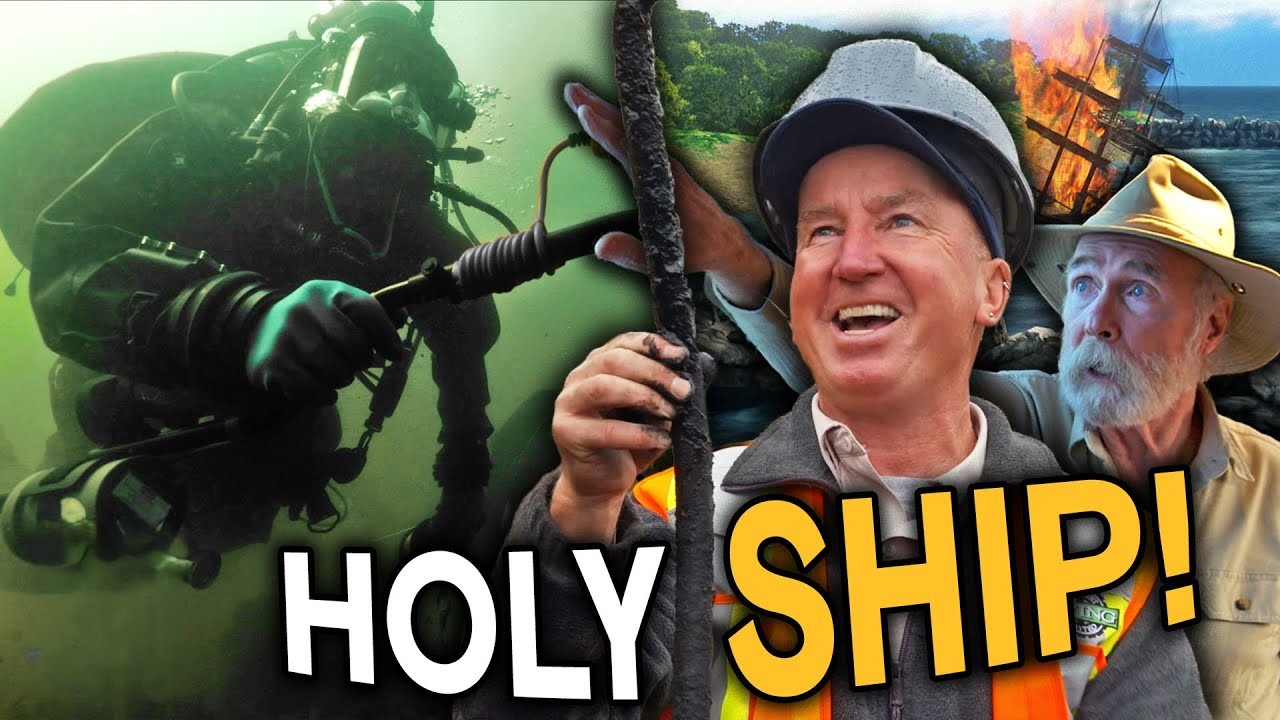
Fresh discoveries in the Oak Island swamp have strengthened the case that a large sailing vessel once lay hidden beneath the marsh, as the search team uncovered multiple ship-related artifacts and confirmed compelling underwater anomalies nearby.
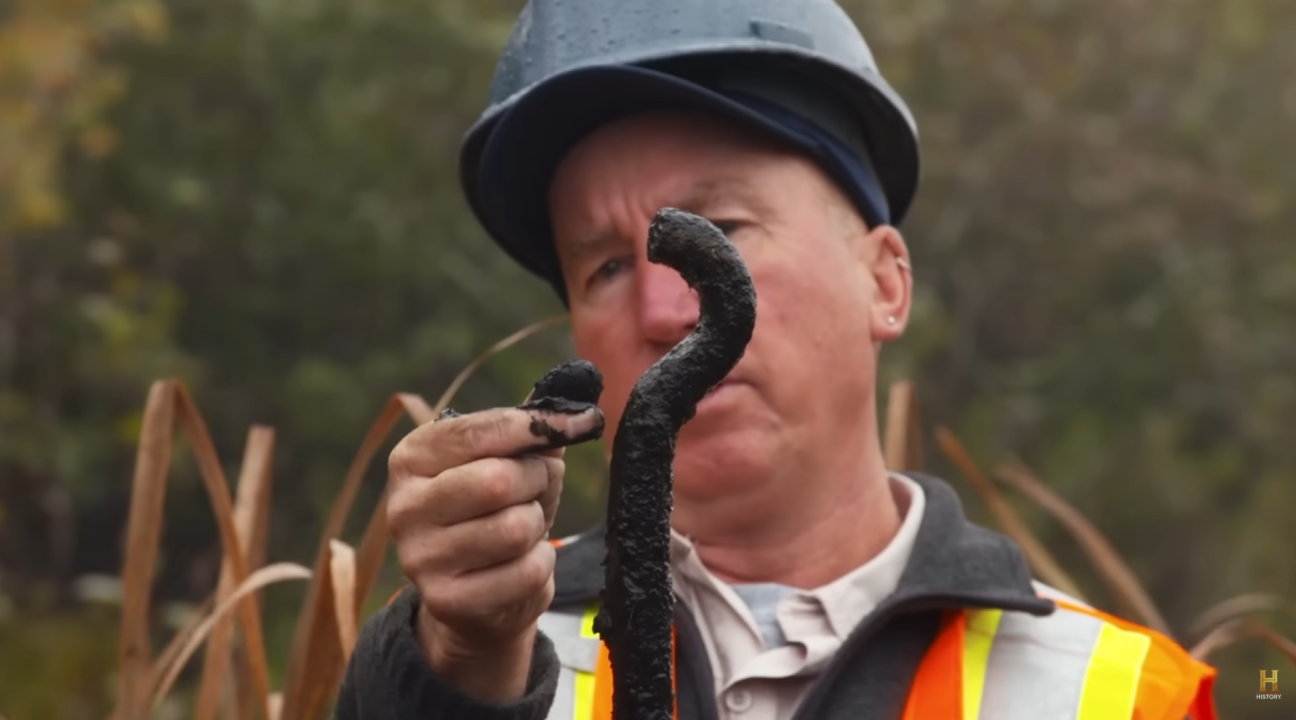
Metal-detection expert Gary Drayton, working alongside David Fornetti, located a heavy iron object near the stone pathway along the swamp’s eastern edge. Initial analysis identified it as a ring bolt, a form of maritime hardware commonly associated with cargo handling. Experts noted severe heat exposure and charcoal residue on the iron, suggesting it had once been embedded in wooden timbers subjected to intense burning.
The find was reviewed by specialists, who concluded the iron had likely formed part of a ship’s structure rather than natural debris. Its condition added weight to earlier theories that a vessel may have been deliberately dismantled or destroyed after being brought into the swamp area.
Attention then turned offshore. A recent magnetometer survey revealed large metallic anomalies between Oak Island and neighbouring Frog Island. Underwater archaeologist Dr Lee Spence joined a dive team to conduct a non-invasive inspection of the seabed. While thick vegetation and silt prevented direct visual confirmation, multiple magnetometer hits indicated sizable buried metal consistent with a historic wreck.
“I would not dismiss this location,” Dr Spence told the team, recommending further investigation during periods of clearer water.
Back in the swamp, excavation work uncovered what appeared to be a carefully finished section of wood, interpreted as part of a ship’s railing. The timber, retrieved from more than ten feet below sea level, showed shaping and wear inconsistent with natural formation. Nearby, digging equipment encountered a solid obstruction beneath the sediment, raising questions about a much larger structure below.
In the war room, Rick Lagina and Marty Lagina reviewed the accumulating evidence, which now includes iron fasteners, wooden rail components, and early-18th-century ship spikes. Blacksmithing analysis dated several items to the early 1700s, a period long associated with theories of organised maritime activity around the island.
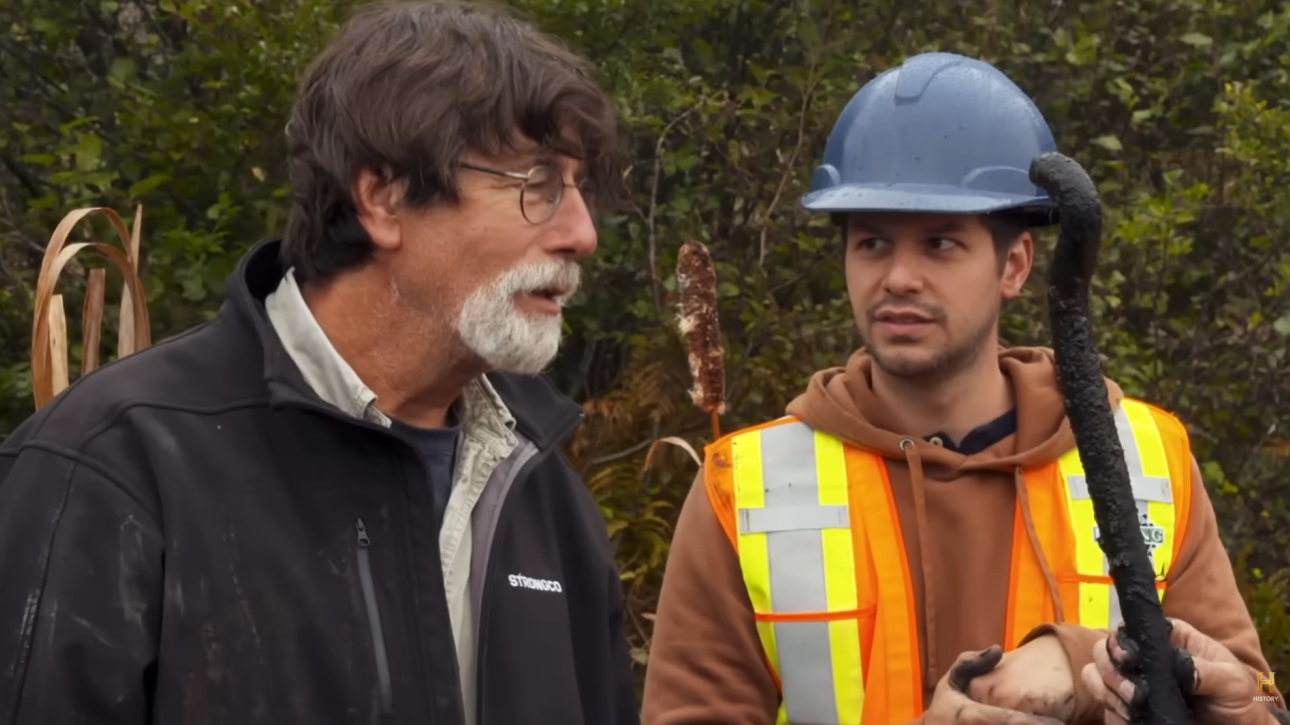
The discoveries reinforce the idea that the swamp may once have functioned as an active harbour, possibly used to offload cargo before being intentionally altered. While legal restrictions prevent intrusive underwater excavation without definitive proof, the team believes natural processes could soon expose visible wreckage.
For the investigators behind The Curse of Oak Island, the latest findings represent one of the most cohesive sets of ship-related clues assembled to date. Whether they point to a single vessel or a broader episode of maritime construction, the swamp continues to yield signs of deliberate human activity beneath its surface.
As work pauses and planning begins for the next phase, the central question remains unchanged: what lies beneath the swamp—and why was it hidden there in the first place?