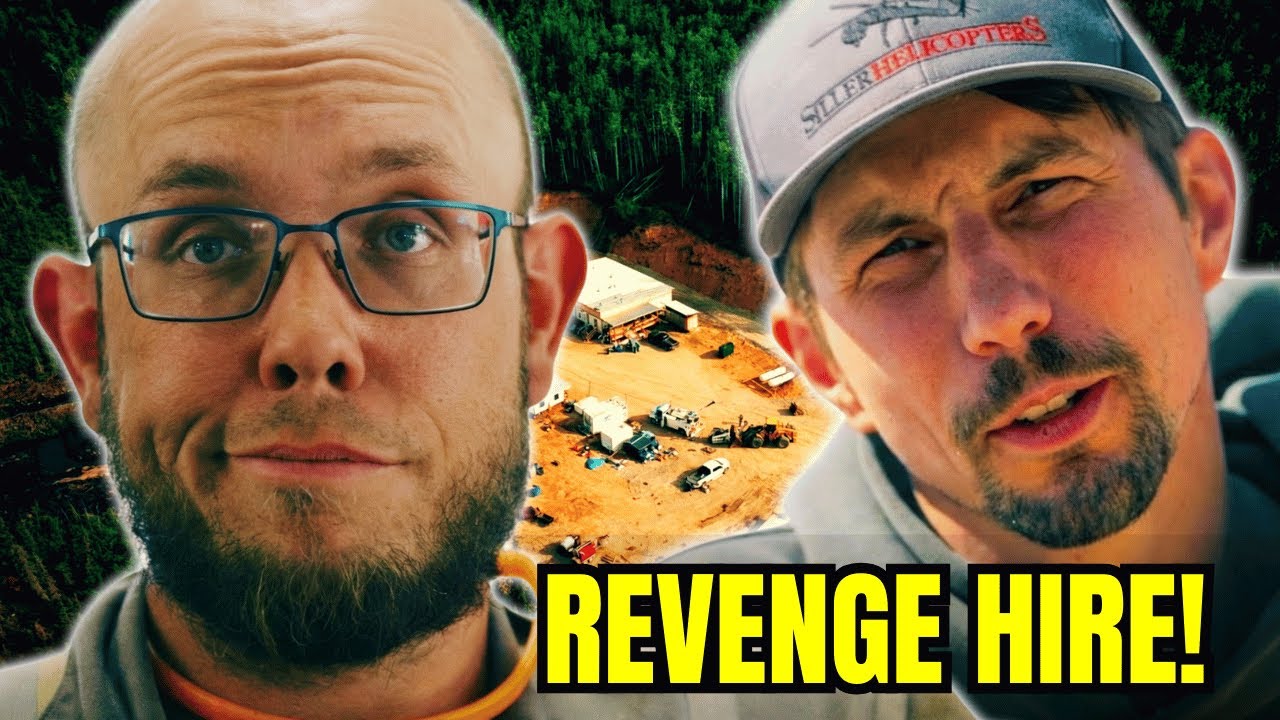
Season 16 of Gold Rush has evolved into a study of leadership under pressure, where decisions about people have proven just as important as decisions about ground and machinery. At the centre of that unfolding story is a developing rivalry between two very different mine bosses: Parker Schnabel, the established production leader, and Kevin Beets, a younger operator working to define his own identity beyond a famous family name.
From the opening weeks of the season, Parker Schnabel made it clear that his operation was expanding aggressively. Multiple cuts, overlapping schedules and ambitious targets required experienced hands, and Parker began drawing talent from neighbouring crews. The impact of those moves was felt most sharply by Kevin Beets, who saw skilled workers depart at a moment when his own operation was already stretched thin.
For Kevin, the timing could hardly have been worse. His season had been marked by mechanical interruptions, uneven gold totals and the constant weight of expectation that comes with being Tony Beets’ son. Each setback fed a familiar question: could he succeed as a mine boss on his own terms?

While Kevin was trying to stabilise his operation, tension was quietly building within Parker Schnabel’s camp at Dominion Creek. Among those feeling the strain was Tavan Peterson, a young but experienced loader and excavator operator returning for his second season with Parker’s crew. For Peterson, gold mining was more than employment; it was a long-term commitment and a lifestyle he had deliberately chosen.
That commitment, however, did not translate into security. After concerns were raised by site management about his attitude and team integration, Peterson was dismissed mid-season. The decision left him uncertain and frustrated. Returning home was not a realistic option, either financially or personally, and stepping away from mining altogether was never on the table.
Instead, Peterson took a direct approach. He travelled west to Kevin Beets’ operation and asked for work.
For Kevin, the arrival of a trained operator in the middle of the season represented a rare opportunity. Skilled labour is difficult to secure in the Yukon once crews are already in motion, and Peterson’s experience with loaders, rock trucks and wash plant feeding stood out immediately. After a brief conversation, Kevin offered him a position on the spot.

The moment carried quiet significance. Earlier in the season, Parker’s expansion had weakened Kevin’s crew. Now, the flow of talent had reversed, without confrontation or public comment. It was a subtle shift, but a meaningful one.
Peterson was assigned straight to night shift at the Sphinx cut, one of the most demanding roles on the site. The task was simple in theory: keep the wash plant supplied continuously under near-constant daylight. In practice, the margin for error was minimal, and any interruption risked costly downtime.
Ten hours into his first shift, that risk became reality. A large boulder bypassed the grizzly system and jammed the hopper, bringing production to a halt. Rather than panic, the crew improvised a controlled recovery, using chains, excavation beneath the obstruction and hydraulic force to remove it safely. The plant was restarted, and production resumed.
The following morning, Kevin Beets made a point of checking in personally. The response was not criticism, but recognition. Handling a major mechanical obstruction under pressure on a first shift marked Peterson as someone who could be relied upon when conditions deteriorated.
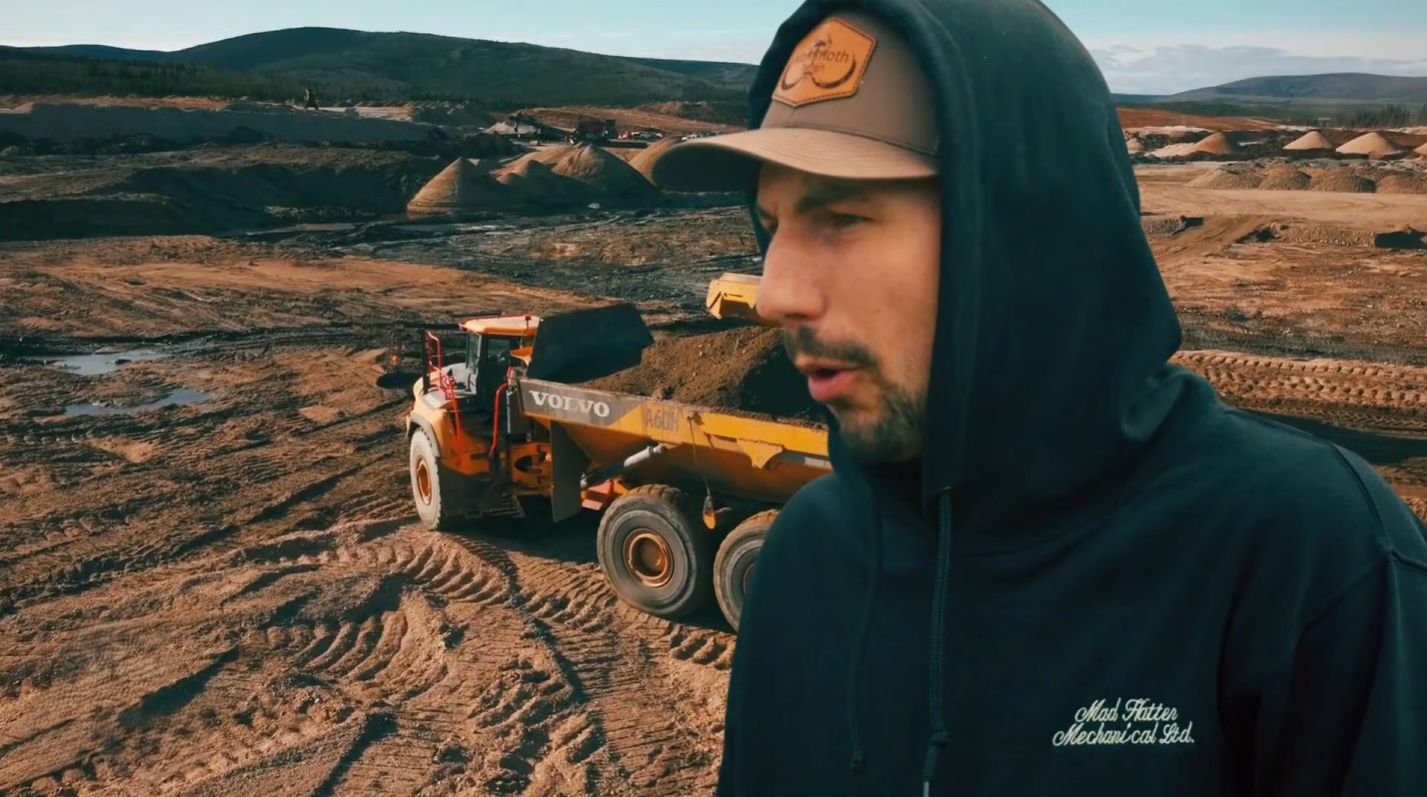
Over the following weeks, consistency replaced uncertainty. With stable staffing and uninterrupted plant operation, gold totals improved steadily. A strong weigh-in pushed Kevin’s season total beyond 500 ounces, injecting morale into a crew that had spent much of the year reacting rather than advancing. For the first time, Kevin could see a credible route toward his broader seasonal target.
For Peterson, the move proved decisive. In a smaller operation, his contribution was visible and valued, and his role was clearly defined. For Kevin Beets, the decision to bring him on strengthened both production and confidence.
Viewed in isolation, the episode might seem routine. In context, it carries broader meaning. Leadership in gold mining is not only about scale or output; it is about judgement. Large operations demand rapid decisions, but those decisions can carry lasting consequences when skilled labour is scarce.

By releasing Peterson, Parker Schnabel may have lost an operator who required a different management environment rather than removal. By recognising that potential, Kevin Beets gained both a capable crew member and momentum at a critical point in his season.
As Gold Rush season 16 moves toward its conclusion, Parker Schnabel remains the dominant force in terms of production and resources. But Kevin Beets is no longer simply enduring comparisons or responding to setbacks. He is learning, adjusting and building a crew that reflects his own leadership style.
In the unforgiving economics of gold mining, success often speaks louder than confrontation. And this season, Kevin Beets has begun to let results do exactly that.
