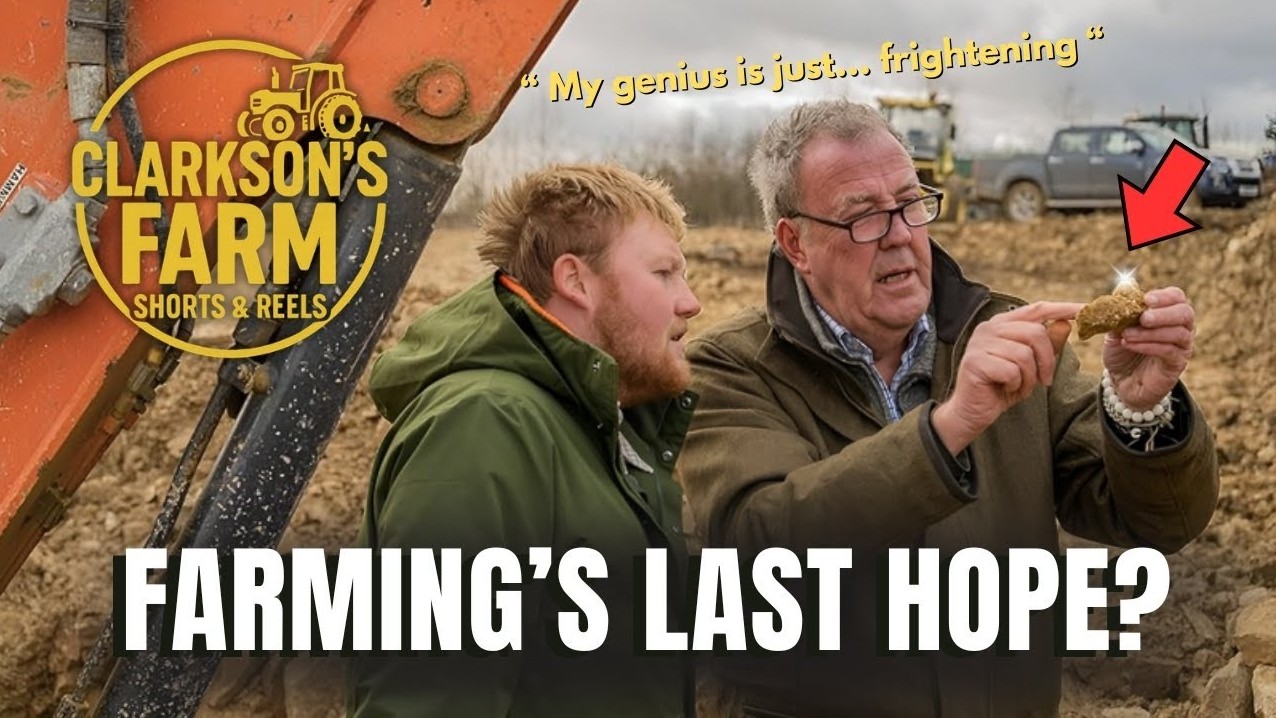
Jeremy Clarkson has never been shy of controversy. But the former motoring presenter turned farmer now finds himself at the centre of a national debate far removed from horsepower and high-speed circuits.
Since launching Clarkson’s Farm, the television personality has become an unlikely public voice in the discussion surrounding proposed changes to agricultural inheritance tax. What began as a personal farming experiment at Diddly Squat in Oxfordshire has evolved into something larger: a platform that has brought renewed attention to the economic fragility of British family farms.
From Entertainment to Advocacy
Clarkson insists he never intended to lead any movement. He describes himself less as an activist and more as a reporter highlighting rural realities. Yet his prominence has amplified concerns voiced by farming groups about the government’s proposed inheritance tax adjustments affecting agricultural assets valued above £1m.
Ministers argue that most family farms will remain protected, particularly through spousal exemptions and structured relief. However, many farmers counter that land valuations do not equate to liquidity. Large acreages, machinery and buildings may appear valuable on paper, but operational margins remain thin.
The phrase often repeated within the industry is “asset-rich, cash-poor.”
For multigenerational farms, succession planning is not merely financial; it is cultural. Holdings passed down through decades of economic turbulence are seen as legacies, not investment portfolios. The possibility of selling land to meet tax obligations has therefore triggered anxiety far beyond accounting calculations.
Protest in the Capital
In November 2024, the National Farmers’ Union organised a large demonstration in London, drawing thousands of members concerned about the policy’s long-term implications. Organisers framed the protest as a measured attempt to be heard rather than an act of disruption.
Clarkson publicly supported farmers attending, stating that peaceful engagement was preferable to confrontational tactics. Yet his involvement also drew criticism, with opponents pointing to his own £4.2m farm purchase and past remarks about land ownership as an investment vehicle.
Old interviews resurfaced in which he suggested land could be a preferable store of value compared to cash. Clarkson later acknowledged those comments were made partly for headline impact and did not fully reflect the complexity of his motivations for buying the farm.
Divided Public Opinion
The national response has been mixed. Supporters argue that farming underpins food security and rural employment, and that policies must recognise the sector’s unique financial structure. Critics counter that wealth tied up in land should not automatically receive preferential tax treatment.
The debate has also intersected with wider political tensions, including dissatisfaction within rural communities over post-Brexit trade adjustments and subsidy reforms. For some observers, the inheritance tax row represents broader unease about how agricultural policy is evolving.
Complicating matters further were images of political leaders meeting international investors shortly after the protest, fuelling speculation among some farmers about the future ownership of British farmland. Government representatives maintain that global partnerships and overseas agricultural investments are designed to enhance long-term food resilience and scientific collaboration.
The Reality Behind the Headlines
Away from Westminster, the economic pressures remain tangible. Rising input costs for fuel, fertiliser and feed have narrowed margins. Many farmers report minimal personal income despite substantial land valuations. In such circumstances, the perception of an added tax burden can feel existential.
Clarkson has repeatedly emphasised that his own farm does not represent the most severe cases. Smaller neighbouring holdings, he argues, operate with even less financial flexibility.
Whether he embraces the role or not, Clarkson’s platform has placed farming economics into mainstream discussion. Clarkson’s Farm initially drew audiences with humour and mishaps; it now functions as a lens through which viewers witness the structural challenges of modern agriculture.
As the inheritance tax debate continues, one fact remains clear: the issue has moved beyond policy detail into a wider conversation about rural identity, economic sustainability and generational continuity.
For Britain’s farmers, the question is no longer theoretical. It is about whether the next generation will inherit fields — or invoices.
