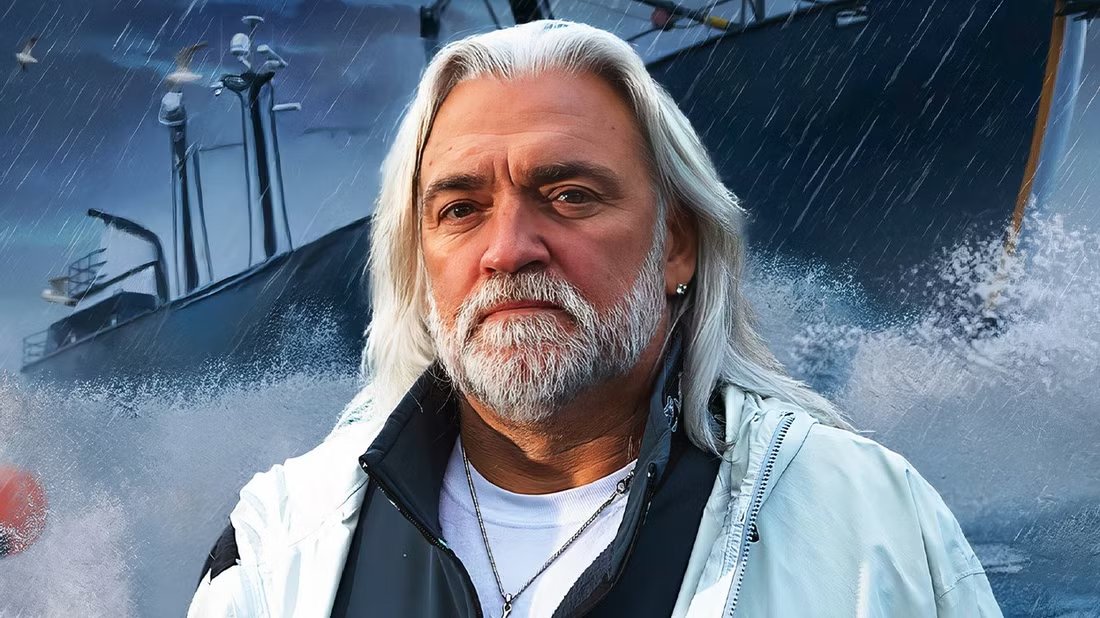
For nearly 20 years, Deadliest Catch has documented the extreme realities of crab fishing in the Bering Sea. Marketed as one of television’s most dangerous professions, the Discovery Channel series has chronicled not only brutal weather and mechanical failures, but also profound personal losses among its cast.
Behind the dramatic footage of crashing waves and stacked crab pots lies a record of tragedy that has marked the show since its debut in 2005.
Cast Members Lost Off Screen
Blake Painter, who appeared in Seasons 2 and 3 as an engineer and later captain of the FV Maverick, was found dead at his Oregon home in May 2018 at the age of 38. Authorities reported no foul play, though multiple outlets cited suspected drug overdose as the likely cause.
Deckhand Mahlon Reyes, featured in later seasons aboard the Seabrooke and Summer Bay, died in August 2020 from a heart attack at age 38. His family said the medical emergency came without warning. An episode was later dedicated to his memory.
Nick McGlashan, a prominent deck boss on the Cape Caution and later the Summer Bay, died in December 2020 at 33. An autopsy concluded that he died from a drug overdose. McGlashan had spoken publicly about his struggles with addiction and efforts toward sobriety.
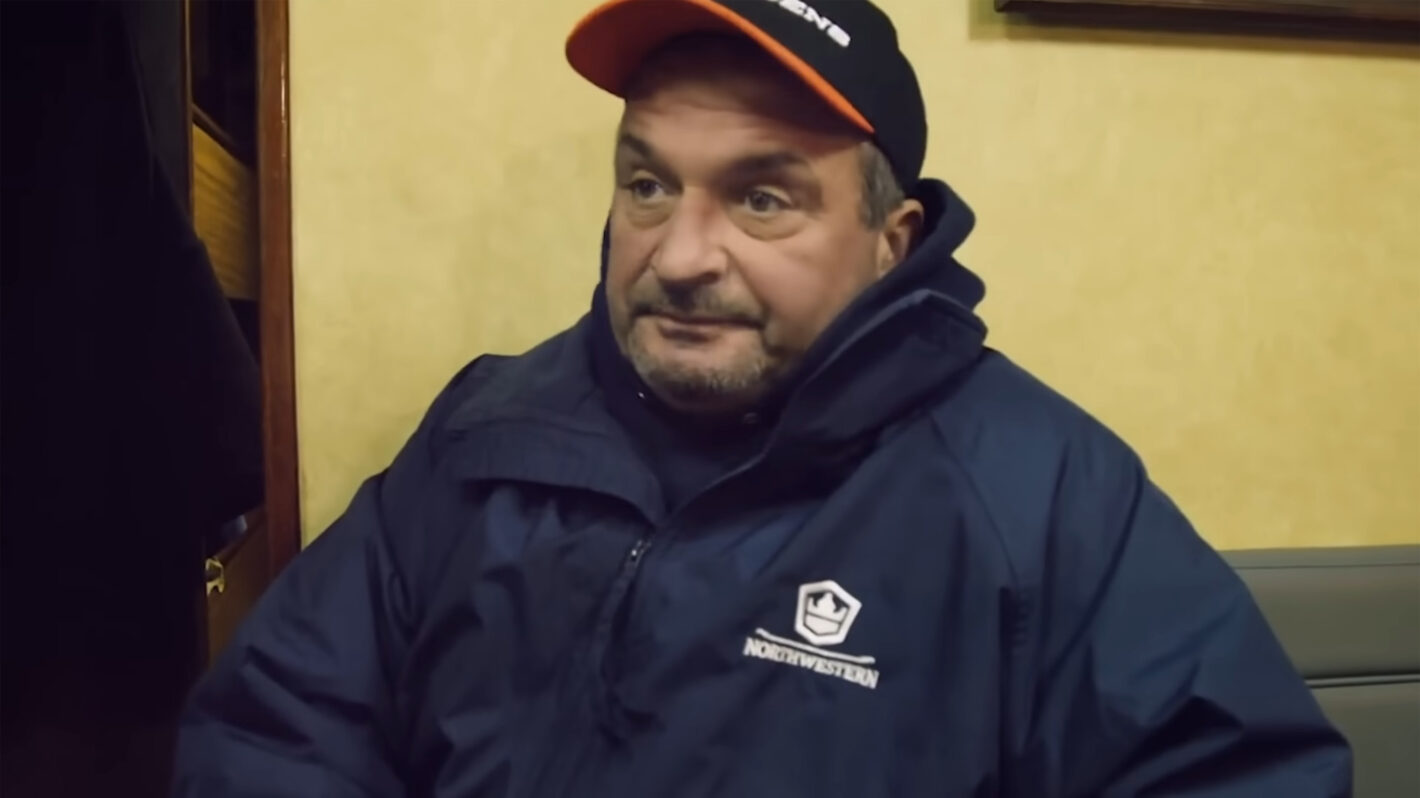
Justin Tennison, who worked aboard the Time Bandit, was found dead in 2011 at 33. His death was later attributed to complications related to sleep apnea.
In June 2024, longtime Northwestern deckhand Nick Mavar died following a medical emergency in Alaska. He had previously left the show after being diagnosed with cancer following surgery for a ruptured appendix. His passing prompted tributes from castmates, including Captain Sig Hansen and Jake Anderson.
Family Tragedies On Camera
Few storylines have been as personal as those involving Captain Jake Anderson. During Season 5, Anderson learned that his sister had died unexpectedly due to complications related to pneumonia and a chronic illness. A year later, while filming Season 6, he received news that his father had gone missing. His father’s remains were discovered two years afterward.
Anderson has also spoken openly about his past battles with addiction and homelessness before rebuilding his life through commercial fishing.
Ships Lost at Sea
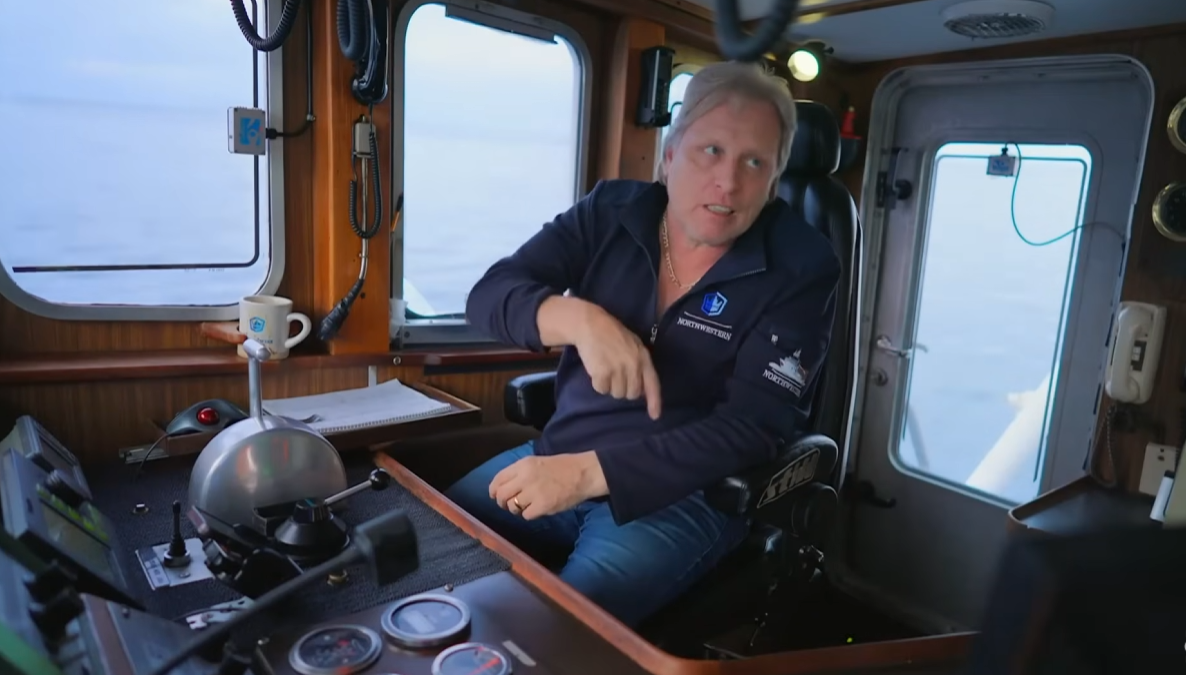
The hazards of the Bering Sea have claimed entire crews. Although not all incidents were filmed directly, the series has covered or referenced major maritime disasters, including:
-
The Big Valley, which sank in 2005, killing five crew members.
-
The Destination, which disappeared in 2017 with six men aboard.
-
The Scandies Rose, which sank in 2019, resulting in five fatalities.
These tragedies underscore the inherent risks of crab fishing, where freezing conditions, rogue waves and heavy equipment combine to create volatile environments.
Severe Injuries and Health Battles
Numerous crew members have suffered serious injuries during filming. In Season 15, deckhand Cory Rhodes sustained compound leg fractures after being crushed by a 1,000-pound crab pot. Other fishermen have endured broken bones, crushed limbs and traumatic impacts requiring Coast Guard evacuations.
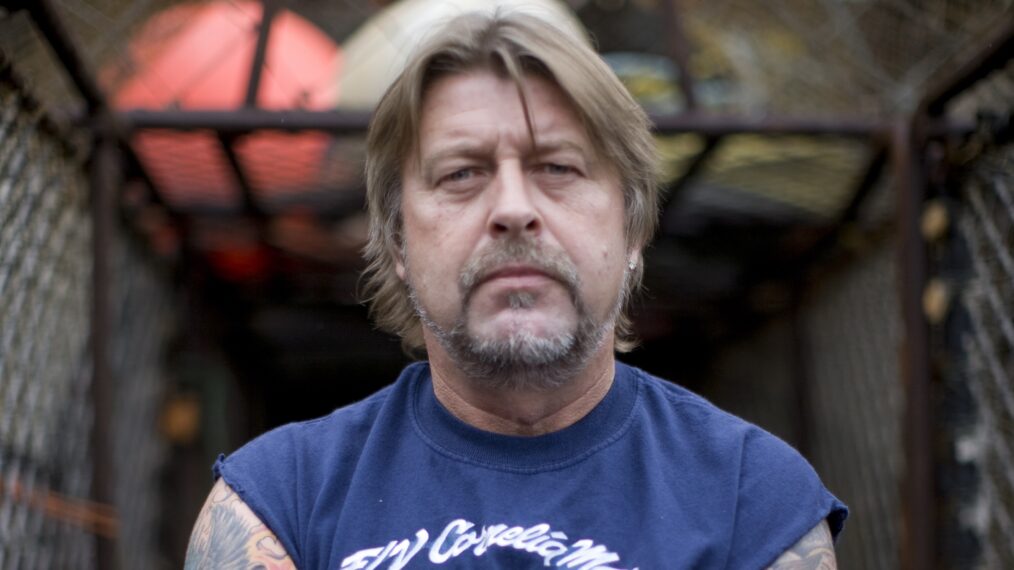
Captain Phil Harris of the Cornelia Marie, one of the series’ most beloved figures, died in 2010 after suffering a stroke during filming. His death marked one of the most emotional moments in the show’s history.
Health struggles have continued in recent seasons. Captain Bill Wichrowski revealed a prostate cancer diagnosis in Season 19 but vowed to continue working while undergoing treatment.
The Toll of the Job
Commercial crab fishing consistently ranks among the most dangerous occupations in the United States. Long hours, sub-zero temperatures, mechanical hazards and physical exhaustion increase the risk of injury and illness.
While Deadliest Catch has delivered compelling television for nearly two decades, it has also provided an unfiltered view of the cost exacted by life at sea — not only in ratings and resilience, but in lives.
As the series continues, its legacy is defined not just by dramatic hauls and rivalries, but by the men who worked the decks — and those who did not return home.
