Gold Concentrations and Medieval Clues Converge in Defining Oak Island Episode

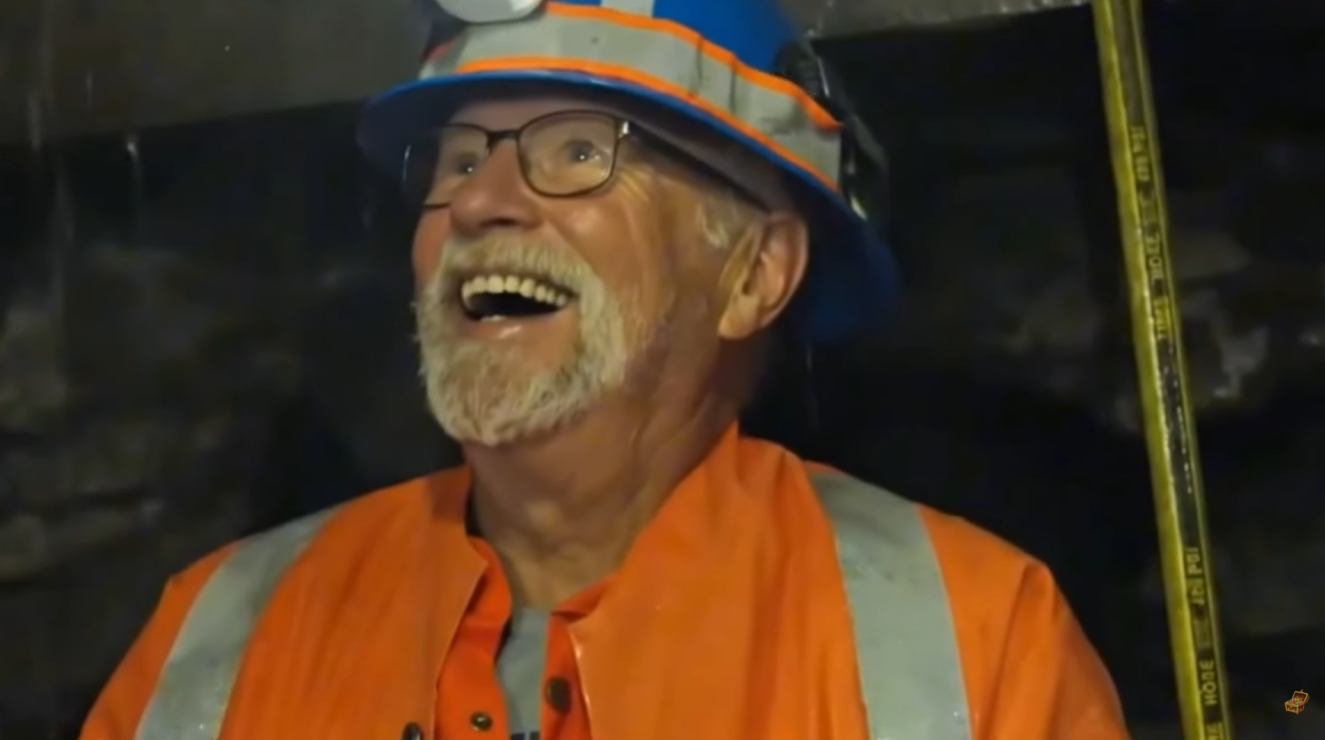
Season 13, Episode 13 of The Curse of Oak Island may prove to be one of the most strategically important instalments in the modern search. What distinguishes this episode is not a dramatic reveal, but convergence — multiple lines of evidence beginning to align beneath the Money Pit, on Lot 8, and across the swamp.
Unusual Gold and Silver Signals Beneath the Money Pit
For years, trace readings of precious metals around Oak Island have fuelled debate. Were they natural anomalies or indirect indicators of something buried? In this episode, the data shifts meaningfully.
Core samples drilled deep beneath the Garden Shaft reveal unusually high concentrations of gold and silver, far above regional background levels typically found in Nova Scotia soils. Importantly, these readings are not scattered. They are clustered and consistent within the Money Pit target zone.
In the War Room, Dr. Ian Spooner explains that elemental silver bound to clay particles suggests proximity to a concentrated, non-natural source. Dissolved metals would disperse differently; geological deposits would behave differently still. This strengthens the theory that precious materials once existed in greater form before collapsing into the solution channel — the underground feature now viewed as a potential resting place for displaced objects.
For the first time this season, the Money Pit does not simply present mystery. It presents measurable, repeatable scientific indicators.

The Lot 8 Boulder and Medieval Textile Clue
While drilling intensifies underground, one of the episode’s most intriguing discoveries emerges on Lot 8.
A massive boulder resting atop smaller stones appears deliberately positioned. Beneath it, archaeologists identify signs of excavation and rubble fill, pointing to intentional human construction. A snake camera reveals voids and metallic objects below, raising the possibility that the boulder functions as a plug rather than a marker.
The most intellectually compelling find, however, is subtle: a fragment of red-dyed wool discovered beneath one of the stones.
Laboratory testing determines the textile is wool produced using weft knitting and coloured with natural dye. Its depth and placement strongly suggest it predates modern search activity. The fragment gains added significance when considered alongside a previously recovered English bag seal bearing a sheep emblem — historically linked to medieval wool trade, particularly in Leeds during the 13th century.
While no definitive conclusion is drawn, the connection suggests potential presence of individuals tied to medieval European trade networks. The narrative shifts from “what was buried?” to “who was here?”
The Swamp as Infrastructure
Meanwhile, work continues in the swamp, where cobblestone features — now confirmed to include bricks and shaped wood — appear arranged in a deliberate, linear pattern. The alignment resembles a road or causeway, potentially linking major island features.
If the swamp pathway connects to Lot 8 and the Money Pit, it implies not isolated activity but coordinated planning across the island. Such infrastructure would support theories of a structured operation requiring material transport and concealment.
This systems-based interpretation marks a maturation of the search. Rather than treating discoveries as standalone anomalies, the team increasingly views Oak Island as an engineered landscape.

A Strategic Turning Point
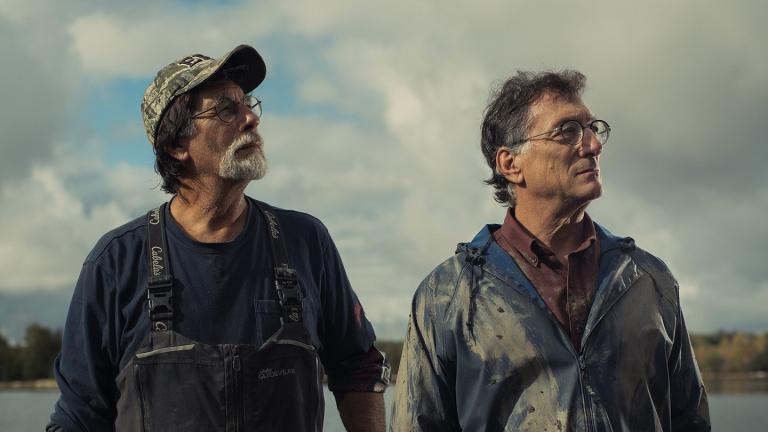
Rick and Marty Lagina’s measured optimism reflects years of tempered expectation. Yet Episode 13 carries a distinct tonal shift. The decision to deploy larger caisson drilling equipment signals escalation grounded in accumulated evidence rather than speculation.
Metal detector signals embedded in core samples, consistent precious metal readings, man-made stone structures, and medieval textile fragments all point toward purposeful activity that predates documented search history.
Whether the team stands directly above a vault or merely inches from another structural collapse remains uncertain. But what is unmistakable is progress — not in spectacle, but in coherence.
Episode 13 does not deliver treasure. It delivers alignment.
For a search that has spanned decades, that convergence may be more important than any single artifact.