Silver in the Water and a Void Below: Oak Island Season 13 Finale Sparks Intense Debate

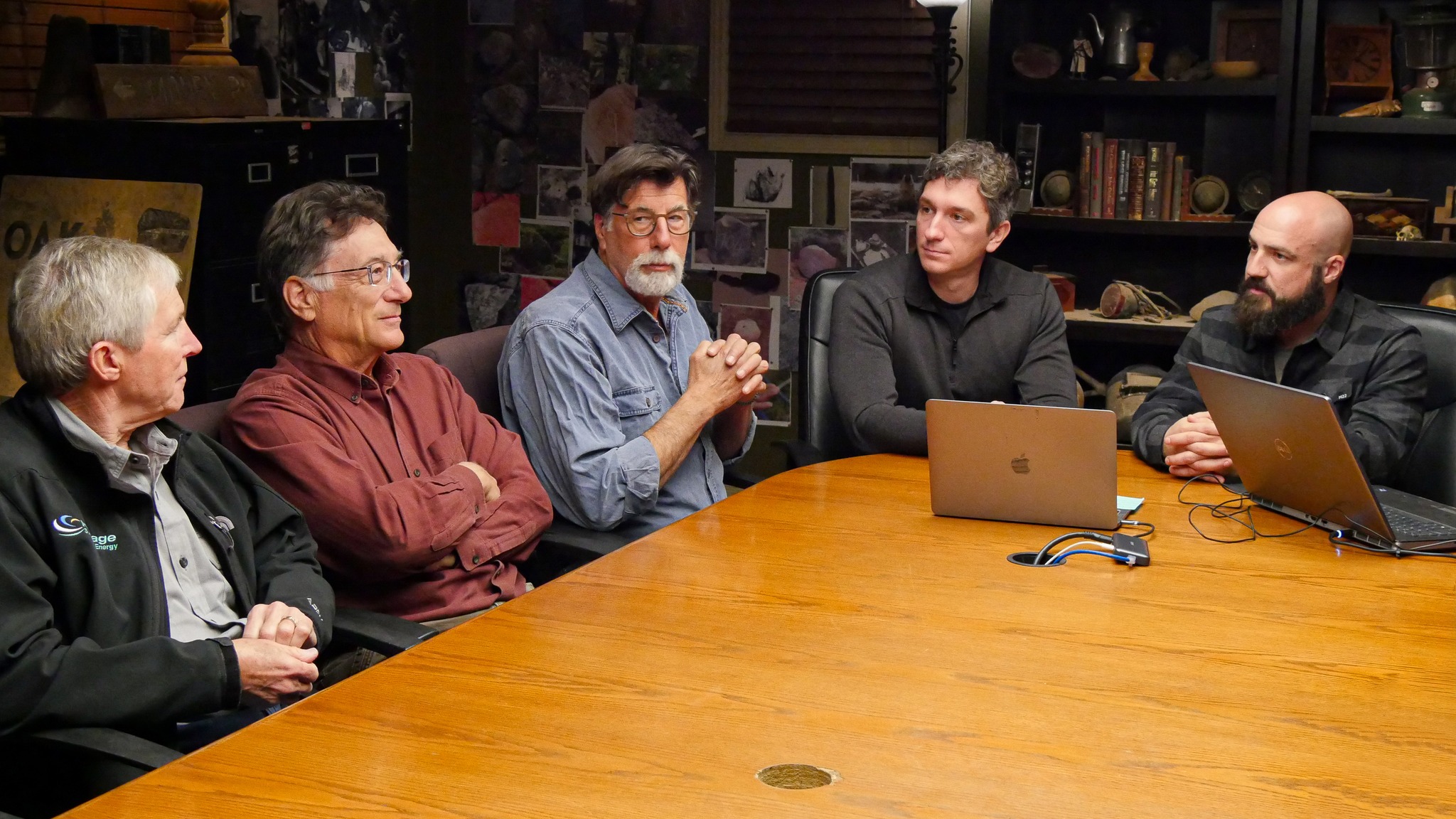
Online speculation intensified this week after the 27 January episode of The Curse of Oak Island, titled Testing Their Metal, presented new scientific data that supporters say could mark a turning point in the 231-year-old mystery.
The series, which follows brothers Rick and Marty Lagina as they investigate long-standing claims of buried treasure in Nova Scotia, has spent more than a decade pursuing clues across the island’s Money Pit, swamp and surrounding lots. Now, leaked reports surrounding the forthcoming season 13 finale suggest the team may be closer than ever to identifying a significant deposit beneath the site.
Silver Anomaly in the Money Pit
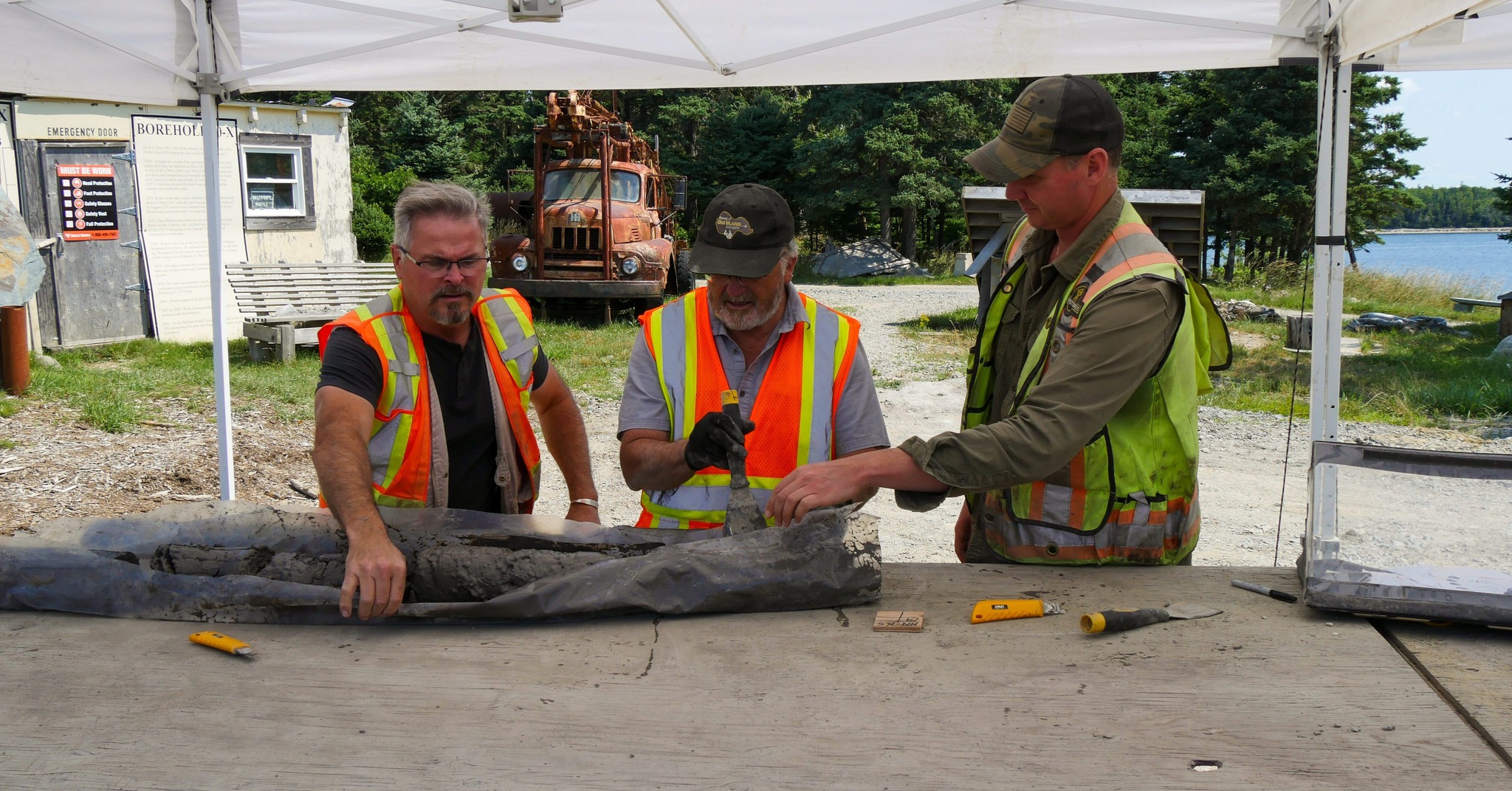
Central to the latest claims is laboratory analysis of sediment samples extracted from deep within the Money Pit area. According to information discussed on the programme, the clay samples contained unusually high concentrations of elemental silver.
Geoscientist Dr Ian Spooner told the team that non-dissolved silver bound to clay particles indicates proximity to a larger source rather than incidental contamination. In practical terms, this suggests a substantial metallic mass nearby, rather than isolated artefacts dispersed over time.
While no vault has yet been opened, proponents argue that the density of the readings points to a concentrated deposit at a specific depth. The drilling team is said to have narrowed their target coordinates accordingly.
Focus Shifts to Lot 8
Attention has also turned to Lot 8, where excavation beneath a large boulder revealed rubble backfill inconsistent with natural glacial deposits. A camera lowered into cavities below reportedly showed structural elements and open void space.
If confirmed, such a discovery could indicate a secondary shaft or engineered access point separate from the traditional Money Pit. That possibility challenges earlier assumptions that the original deposit, if one exists, was accessible only through a single vertical system.
Metal-detecting expert Gary Drayton is reported to have recovered an iron chain link in the same area. Preliminary metallurgical assessment, according to on-screen commentary, places its origin in the early modern period. Supporters of the Templar theory argue this aligns with previous finds, including lead seals linked to European trade networks.

The Swamp and the “Container” Theory
Another developing storyline concerns the swamp, long considered central to the island’s construction narrative. Earlier sonar scans identified a rectangular anomaly beneath the garden shaft area.
Current theories explored on the programme suggest the object may not be treasure itself but a water-control structure — potentially a coffer dam or engineered barrier designed to regulate flood tunnels. If accurate, uncovering such a mechanism could explain the persistent water infiltration that has hindered searchers since the early 19th century.
Rick Lagina has repeatedly described the swamp as “man-made,” and recent excavation has exposed stone alignments and timber structures that researchers believe warrant further archaeological analysis.
Portuguese and Templar Connections
Season 13 has placed renewed emphasis on possible medieval European links. Episodes earlier this year examined geometric stone alignments said to resemble structures in Portugal, alongside artefacts some experts associate with the Knights of Malta.
Leaked details from the finale claim the recovery of a non-ferrous metal object viewed by the team as a “signature” marker. However, independent verification of these claims remains pending until the episode airs in full.
The programme has previously explored theories of pre-Columbian European presence in North America. Any confirmed artefacts conclusively dated to the 14th or 15th century would prompt significant academic review.
Technology Refines the Search
One of the most consequential tools in recent seasons has been muon tomography, a particle-imaging technique used to detect density variations underground. Data gathered in season 11 identified a low-density void offset from the original Money Pit shaft.
Advocates of the so-called “Chappelle vault” hypothesis argue that earlier searchers may have drilled past a chamber displaced by geological collapse. The current drilling strategy reportedly targets coordinates generated from this three-dimensional mapping.
Should sonic drilling confirm the presence of a constructed chamber, it would represent the most concrete structural evidence to date.
Emotional Stakes and Historical Implications
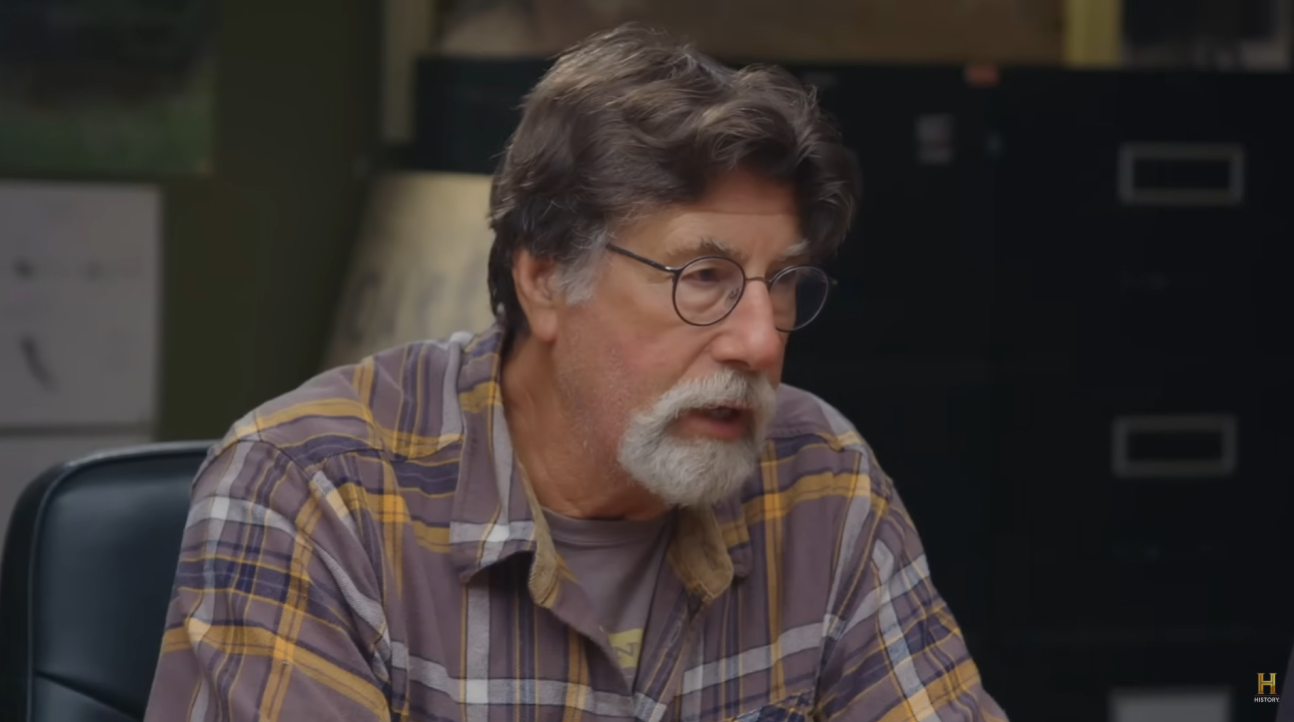
Sources close to production describe heightened emotion among the team during recent filming. Rick Lagina, who has frequently cited the late searcher Dan Blankenship as an inspiration, has spoken openly about the personal weight of the investigation.
If substantial artefacts are recovered, the focus of the project could shift from treasure hunting to formal archaeology. Confirmation of early European material culture on Oak Island would likely draw federal oversight and potentially international heritage interest.
For now, the claims remain unverified beyond the televised evidence presented so far. The season 13 finale, expected to air in May, is anticipated to clarify whether the silver anomaly, Lot 8 void and swamp structure form parts of a single engineered system — or represent another chapter in a mystery that has captivated audiences for generations.
As ever with Oak Island, the distinction between legend and laboratory data remains at the heart of the story.