
Dominion Creek, Yukon Territory — Parker Schnabel has built his reputation on scale, speed and relentless ambition. At just 29, the Klondike miner commands one of the largest independent gold operations in the Yukon, running three wash plants across more than 100 acres of rugged ground. But halfway through the current mining season, the numbers tell a sobering story: the operation is running behind on both yardage and gold.
“We need more gold,” Schnabel said bluntly during a recent weigh-in. “I have no interest in running out of money or anything like that.”
The goal at the start of the season was 10,000 ounces — an ambitious but not unprecedented target for the young mine boss. Yet with only weeks remaining before winter closes in, the tally has struggled to keep pace.
Frozen Ground, Shrinking Window
At Dominion Creek, four acres of the long cut remain locked in permafrost, stubbornly refusing to thaw despite summer sun. Another 16 acres sit beneath 15 feet of overburden — an estimated 80,000 cubic yards of dirt per vertical foot that must be stripped before reaching pay gravel.
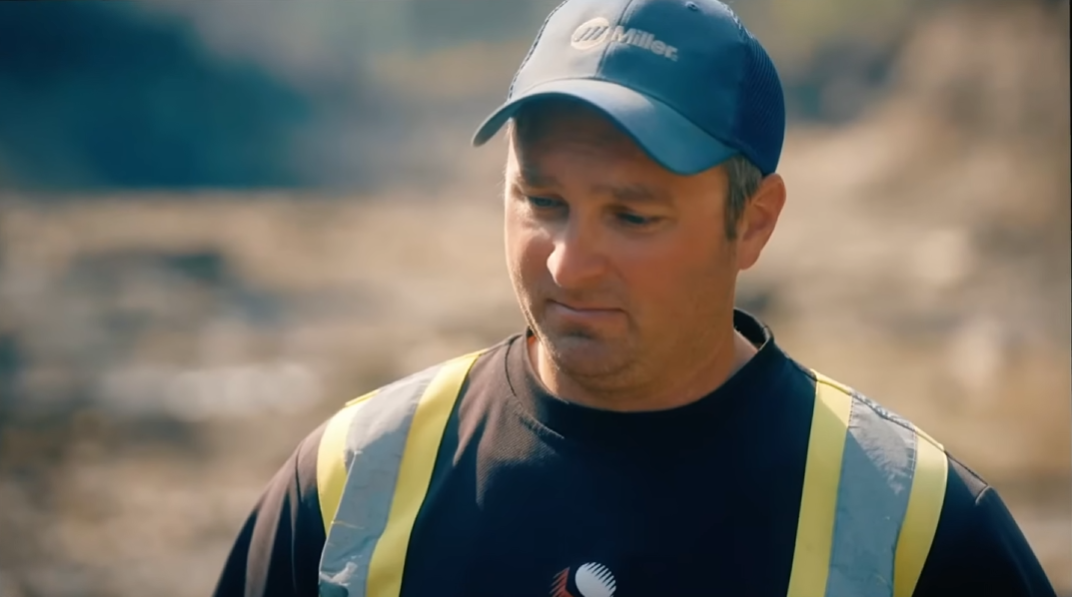
“It’s a mountain of earth,” foreman Mitch Blaschke observed, surveying the frozen expanse.
In the Yukon, the mining calendar is unforgiving. Crews typically have a window of roughly 16 workable weeks before sub-zero temperatures halt operations. Schnabel’s team began the season already three weeks behind schedule, compressing an already tight timeline.
“It’s going to put a lot of stress on everyone,” Schnabel acknowledged. “But it’s the only shot we’ve got at getting anywhere near our goal.”
Equipment Failures Add to Strain
Mid-season momentum faltered when a 150-foot super conveyor — central to stripping overburden — suffered a catastrophic drive shaft failure. What initially appeared to be a quick repair turned into a six-hour mechanical overhaul involving custom machining and sprocket realignment.
Six hours of downtime in peak season translates to thousands of cubic yards left untouched — and revenue deferred. While mechanic Bill Frier and his team restored the system before nightfall, the interruption underscored the fragility of large-scale operations dependent on complex machinery.
“Every hour it sits is money slipping away,” one crew member noted.
The breakdown was followed by additional stoppages, including a snapped pre-wash conveyor at Sulphur Creek that silenced one of the three wash plants entirely for a week.

The Economics of 100 Ounces
Early cleanups brought cautious optimism. One weigh-in at Roxanne, the long cut’s primary plant, delivered 99.45 ounces — strong by most standards but just shy of the 100-ounce weekly threshold Schnabel says is necessary to cover operating costs.
Fuel, wages and constant repairs devour revenue quickly. Anything under triple digits, the crew admits, means the mine is effectively losing ground financially even while producing gold.
By week six, combined output from Roxanne, Big Red and Bob — the three wash plants — finally crested at 586 ounces in a single week. A subsequent week pushed totals above 650 ounces, offering a glimpse of what full production could achieve.
Still, the season total sat at 1,693 ounces at that point — far from the original 10,000-ounce target.
Labor Bottlenecks and Crew Pressure
Behind the scenes, logistical strain compounded operational hurdles. With three wash plants spread miles apart, gold cleanups fell largely to veteran crew member Chris Doumitt.
“If I become a bottleneck, I jam up the whole operation,” Doumitt said, describing long days of hauling concentrates between sites.
The workload forced Schnabel to reassign skilled operator Tatiana Costa to assist with gold processing — a move that eased cleanup pressure but reduced manpower in the field.
Meanwhile, younger crew members faced steep learning curves. Twenty-year-old loader operator Taven Peterson struggled during his first solo shift feeding Roxanne, temporarily jamming the hopper and halting production.
“Stuff goes wrong out here,” Blaschke told him during the repair. “You did the right thing asking for help.”

A Calculated Pivot
With the season slipping away, Schnabel made a strategic adjustment: lowering the target from 10,000 ounces to 8,000. Even that revised figure demands roughly 700 ounces per week for the remainder of the season.
Seeking new ground, he directed Big Red toward a section of red gravel at the southern edge of the bridge cut — material previously untouched.
“As far as I know, nobody’s ever run it,” Schnabel said.
The gamble yielded 136.5 ounces worth approximately $341,000, helping push the season total to 3,867 ounces. Combined with a strong 285-ounce run from Roxanne, the week restored cautious optimism.
“Now it’s starting to look like Dominion Creek,” Blaschke remarked.
The Race Against Winter
Despite recent gains, the arithmetic remains demanding. With six weeks remaining and more than 4,000 ounces needed to meet the revised goal, the margin for error is thin.
Winter is advancing steadily across the Yukon. Once temperatures drop and ground freezes solid, production will cease regardless of momentum.
Schnabel remains characteristically resolute.
“If you believe there’s gold there, you keep digging,” he said.
For the so-called king of the Klondike, the season has become less about record-breaking numbers and more about resilience — battling frozen ground, mechanical setbacks and the ticking clock of northern autumn.
Whether Dominion Creek ultimately delivers 8,000 ounces or falls short, one reality is clear: in the Yukon, even the largest operations are never guaranteed success.
